Search 150+ Kosher Recipes
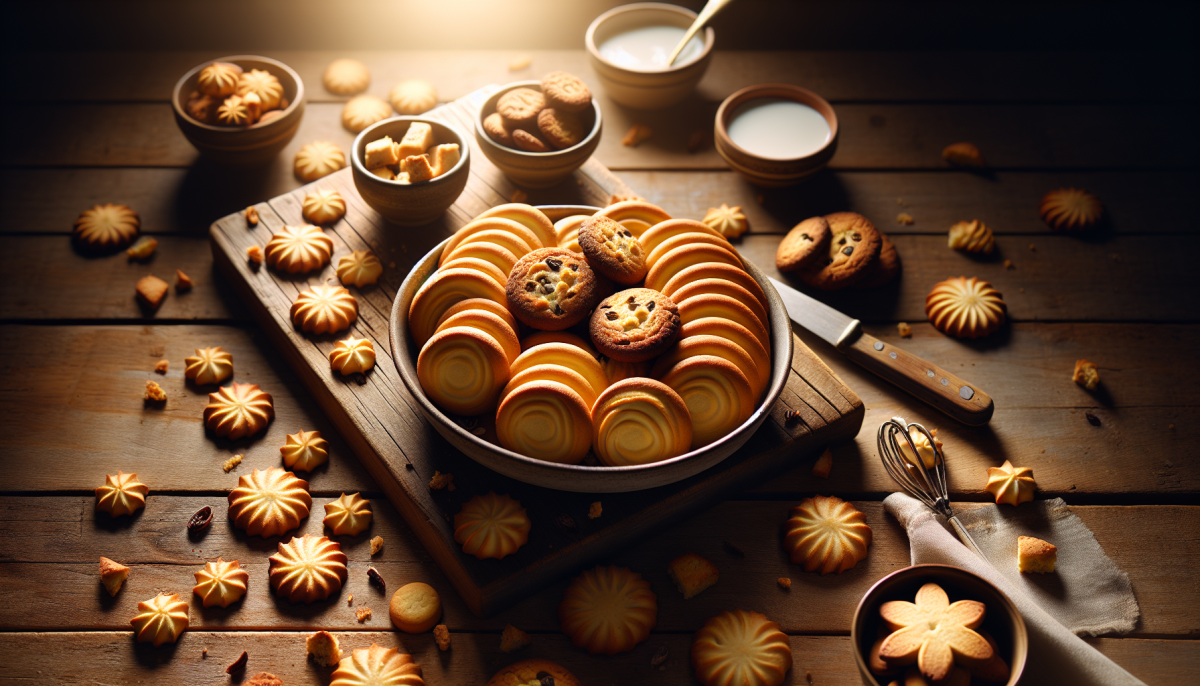
Ma’amoul are the jewels of Levantine Jewish baking—delicate, crumbly cookies made from semolina and flour, filled with a luscious paste of dates, cinnamon, and cardamom, then shaped by hand or pressed into ornate wooden molds that give each cookie its distinctive patterned surface. These cookies have graced the tables of Syrian, Lebanese, Iraqi, and Egyptian Jewish communities for centuries, served at celebrations, holidays, and as a gesture of hospitality.
The ma’amoul tradition runs deep in Sephardic and Mizrahi Jewish communities. In Aleppo, families of bakers prepared thousands of these cookies for Purim, filling them with dates, walnuts, or pistachios. In Baghdad, ma’amoul filled with dates were a staple for Shabbat. In Cairo, they appeared at every simcha (celebration). The art of making ma’amoul was passed from mother to daughter, and the wooden molds (tabi) were treasured family heirlooms, their carved patterns as distinctive as fingerprints.
This recipe focuses on the most classic filling: dates. Medjool dates, processed into a smooth paste and perfumed with cinnamon, cardamom, and a whisper of orange blossom water, are encased in a tender semolina shell that shatters on first bite and melts on the tongue. The contrast between the sandy, buttery exterior and the sticky-sweet, spiced interior is what makes ma’amoul one of the most addictive cookies in the Jewish baking repertoire.
What Makes This Recipe Special
- Semolina-based dough — Fine semolina creates the characteristic sandy, melt-in-your-mouth texture
- Medjool date filling — Premium dates processed with warm spices for a rich, caramel-like center
- Overnight resting — The dough hydrates overnight, making it easier to work with and producing a more tender cookie
- Pareve and oil-based — Uses neutral oil instead of butter, suitable for any meal
- Traditional shaping — Instructions for both hand-shaping and using a ma’amoul mold
Halachic Notes
- Kosher Classification: Pareve — contains no dairy or meat ingredients.
- Hafrashat Challah: This recipe uses approximately 350g total flour/semolina, well below the shiur for separating challah.
- Holiday Connections: Ma’amoul are traditionally served in Sephardic communities for Purim (date-filled), Rosh Hashanah (for sweetness), and Shavuot. They are also a traditional seudat mitzvah dessert.
- Brachot: Borei minei mezonot before; Al hamichya after.
Ingredients
Cookie Dough
| Ingredient | Grams | Volume | Baker’s % |
|---|---|---|---|
| Fine semolina | 200g | 1¼ cups | 57% |
| All-purpose flour | 150g | 1¼ cups | 43% |
| Neutral oil | 120g | ½ cup | 34% |
| Powdered sugar | 50g | ⅓ cup | 14% |
| Orange blossom water | 15g | 1 Tbsp | 4.3% |
| Rose water | 10g | 2 tsp | 2.9% |
| Warm water | 30g | 2 Tbsp | 8.6% |
Date Filling
| Ingredient | Amount |
|---|---|
| Medjool dates, pitted | 300g (about 15 dates) |
| Ground cinnamon | 1 tsp |
| Ground cardamom | ½ tsp |
| Orange blossom water | 1 tsp |
| Neutral oil | 1 tsp |
Finishing
| Ingredient | Amount |
|---|---|
| Powdered sugar | For dusting |
Instructions
Step 1: Make the Dough
In a large bowl, combine the semolina, flour, and powdered sugar. Add the oil and rub it into the dry ingredients with your fingertips until the mixture resembles wet sand. Add the orange blossom water, rose water, and warm water. Mix until the dough comes together. It should be pliable but not sticky. Cover with plastic wrap and refrigerate for at least 2 hours (overnight is best).
Step 2: Prepare the Date Filling
Process the pitted dates in a food processor until a smooth, sticky paste forms. Add the cinnamon, cardamom, orange blossom water, and oil. Pulse until combined. If the dates are dry, add warm water 1 teaspoon at a time. Roll the paste into 24 small balls (about 12g each). Set aside.
Step 3: Shape the Cookies
Preheat the oven to 165°C (325°F). Line baking sheets with parchment paper. Take a walnut-sized piece of dough (about 25g) and roll into a ball. Make a deep well in the center with your thumb, creating a cup shape. Place a date ball inside and gently close the dough around it, sealing completely. Roll gently between your palms to smooth.
With a mold (tabi): Press the filled ball into a floured ma’amoul mold, pressing firmly so the pattern transfers. Tap the mold on the counter to release the cookie.
Without a mold: Flatten the ball slightly and press the tines of a fork gently around the top to create a decorative pattern. Or leave them as smooth domes.
Step 4: Bake
Place cookies 3 cm (1 in) apart on the prepared sheets. Bake for 20–25 minutes until the bottoms are lightly golden but the tops remain pale. Ma’amoul should not brown on top. Cool completely on the baking sheet—the cookies are fragile when warm and firm as they cool.
Step 5: Dust and Serve
Once completely cool, dust generously with powdered sugar. The sugar is traditional and enhances the sandy texture of the semolina shell.
Storage & Make-Ahead
- Room temperature: Store in an airtight container, layered between parchment, for up to 10 days. Ma’amoul are an excellent keeper.
- Freezing: Freeze un-dusted cookies for up to 3 months. Thaw at room temperature and dust with powdered sugar before serving.
- Make-ahead: The dough benefits from overnight refrigeration. The date filling can be made up to 1 week ahead and refrigerated.
Troubleshooting
| Problem | Cause | Solution |
|---|---|---|
| Cookies crumbling apart | Dough too dry or not rested enough | Add water 1 tsp at a time; rest dough overnight for proper hydration |
| Filling bursting through | Dough too thin around filling | Use less filling per cookie; ensure dough is evenly thick all around |
| Cookies too hard | Over-baked or too much flour | Bake until bottoms are barely golden; maintain semolina-to-flour ratio |
| Dough sticking to mold | Mold not floured enough | Dust mold generously with flour before each cookie; tap firmly to release |
| Flat, spread-out cookies | Too much oil or dough too warm | Measure oil precisely; work with chilled dough |
Frequently Asked Questions
What other fillings can I use?
Traditional ma’amoul come in three fillings: dates (the most common), walnuts (ground with sugar and cinnamon), and pistachios (ground with sugar and rose water). Each filling has a different traditional shape so guests can tell them apart—oval for dates, round for walnuts, and dome-shaped for pistachios.
Where can I buy a ma’amoul mold?
Traditional wooden ma’amoul molds (tabi) are available at Middle Eastern grocery stores and online. Modern plastic and metal versions are also available and easier to use. If you don’t have a mold, a fork creates a perfectly acceptable pattern, or simply leave the cookies smooth—the flavor is the same.
Why is semolina important?
Semolina (ground durum wheat) gives ma’amoul their distinctive sandy, melt-in-the-mouth texture. All-purpose flour alone would produce a tougher, more biscuit-like cookie. The combination of semolina and flour provides the ideal balance: enough structure to hold the filling, but crumbly enough to dissolve on the tongue.
Are ma’amoul suitable for Pesach?
Traditional ma’amoul use wheat flour and semolina, making them chametz and not suitable for Pesach. Some cooks make Pesach-friendly versions using ground almonds and potato starch, but the texture is different from the original. The date filling itself is naturally kosher for Pesach.
What is the significance of ma’amoul at Purim?
In many Sephardic communities, ma’amoul are the traditional mishloach manot (Purim gift) cookie. The filled cookie symbolizes hidden sweetness—just as the name of God is hidden in the Megillat Esther, the sweet filling is hidden within the plain exterior. Date-filled ma’amoul are particularly associated with Purim in Syrian Jewish communities.
Enjoy Your Ma’amoul!
A Levantine treasure—delicate semolina cookies filled with spiced dates, connecting you to centuries of Middle Eastern Jewish baking.
🍞 Get a New Kosher Recipe Every Week
Join our baking community. One recipe, one tip, one story — delivered every Friday before Shabbat.
No spam. Just bread. Unsubscribe anytime.
You Might Also Enjoy
- Walnut Ma’amoul — Walnut-filled version
- Syrian Ka’ak — Sweet bracelet cookies
- Tahini Cookies — Nutty sesame cookies
- Hamantaschen — Another filled cookie
- Baklava — Layered nut pastry
Leave a Reply
You must be logged in to post a comment.