The Kosher Bread Path — Your Complete Guide to Jewish Baking

Your complete guide to kosher bread and pastry. Eight recipes from Ashkenazi, Sephardi, and Yemenite traditions — challah, babka, bagels, sourdough, kubaneh, rugelach, hamantaschen, and sufganiyot.

The Kosher Bread Path

The Kosher Bread Path is your complete guide to Jewish baking at home. Eight recipes, centuries of tradition from Ashkenazi, Sephardi, and Yemenite kitchens, one journey from your first challah to overnight kubaneh — every loaf kosher, every step guided. These recipes span the full range of the Jewish bread tradition — from the pillowy braided challah that anchors every Shabbat table, to the rich chocolate swirls of babka, the crackling crust of a real New York bagel, the ancient craft of sourdough, the golden pull-apart layers of Yemenite kubaneh, and the holiday pastries that mark the Jewish calendar: flaky rugelach, poppy-seed hamantaschen for Purim, and golden sufganiyot fried in oil for Hanukkah. Every recipe includes precise gram weights, baker’s percentages, detailed kosher guidance with halachic notes, and step-by-step instructions clear enough for a first-time baker and thorough enough for a seasoned one.

Jewish bread baking is more than a kitchen skill — it is an act that connects the baker to centuries of tradition. The braiding of challah on a Friday afternoon, the separation of dough with a bracha, the sealing of a pot of kubaneh before Shabbat begins, the frying in oil to remember the miracle of Hanukkah — each gesture carries meaning beyond the recipe card. We built the Kosher Bread Path to honor that connection: every ingredient checked, every blessing noted, every step rooted in the way these breads and pastries have been made for generations.

How to use this path: Start anywhere that calls to you. Each recipe stands on its own. But if you are new to Jewish baking, we have arranged them from foundational to advanced, and organized them by tradition — Ashkenazi breads first, then Sephardi and Mizrachi, then pastries by occasion so you can bake with the Jewish calendar.

Ashkenazi Breads

The braided, enriched, and boiled breads of the European Jewish tradition — from classic Shabbat challah to New York bagels and the sourdough frontier.

1
Pareve
Shabbat

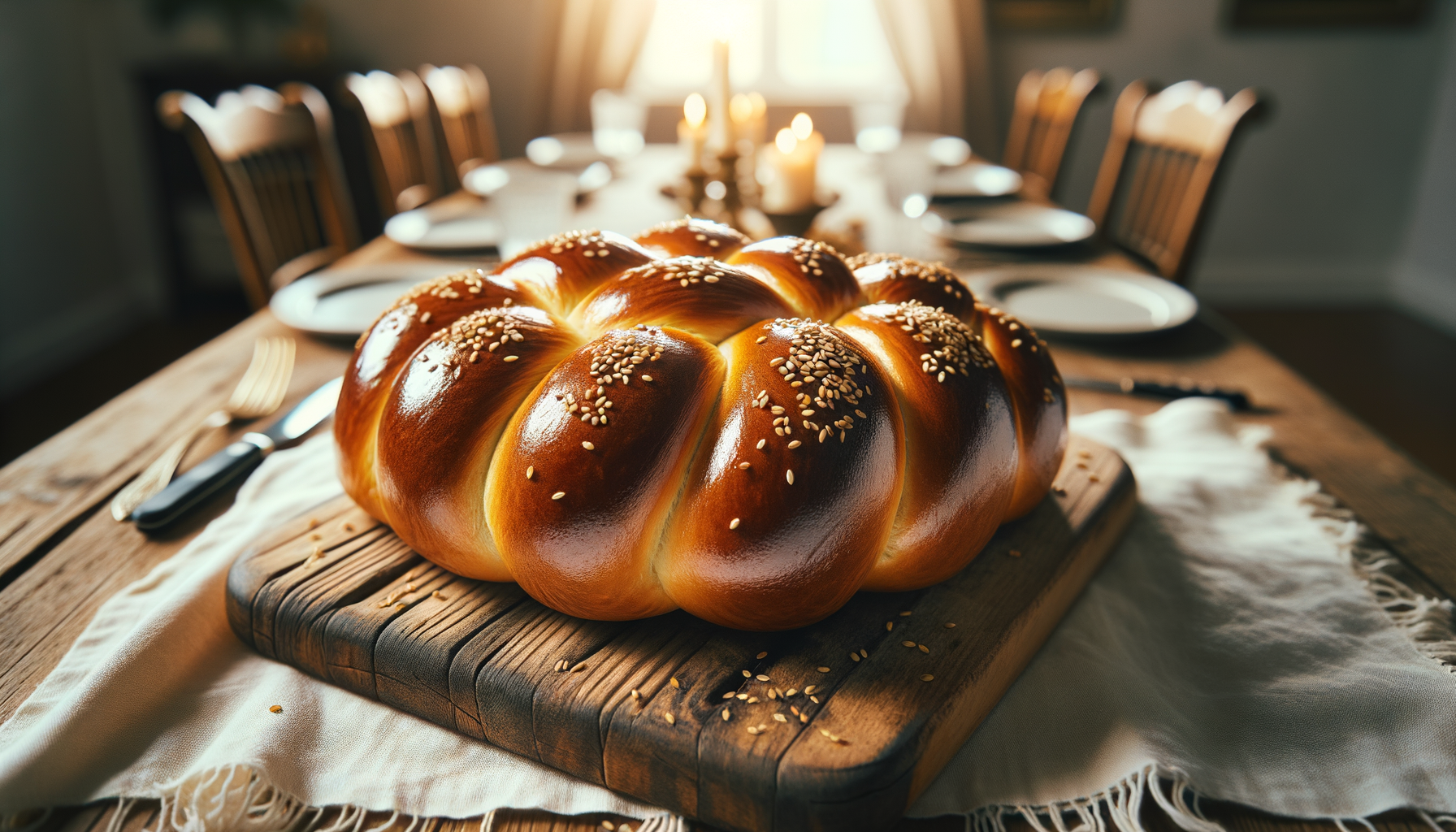
Classic Kosher Challah

The perfect Shabbat bread. Pillowy, golden braided challah with 6-strand braiding, baker’s percentages, and step-by-step guidance. This is the foundation — the recipe you will come back to every Friday.

Yield: 2 large loaves
Difficulty: Intermediate
Time: 4–5 hours
Bracha: HaMotzi

2
Pareve
Shabbat

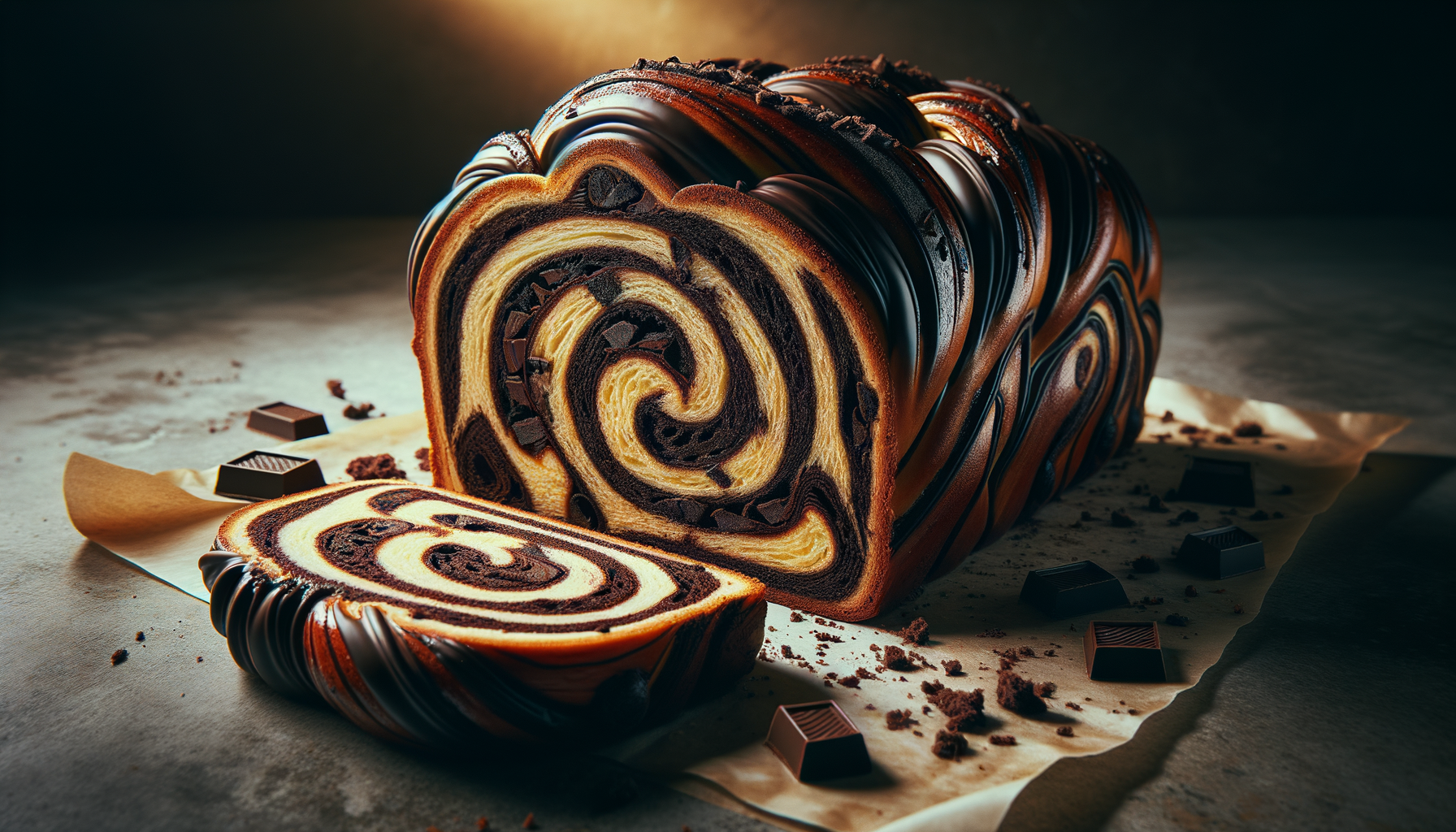
Chocolate Babka

Rich brioche-style dough meets dark chocolate in this swirled masterpiece. Finished with sugar syrup for a glossy, moist crumb. The Shabbat morning showstopper.

Yield: 2 loaves
Difficulty: Intermediate
Time: 5–6 hours
Bracha: HaMotzi

3
Pareve

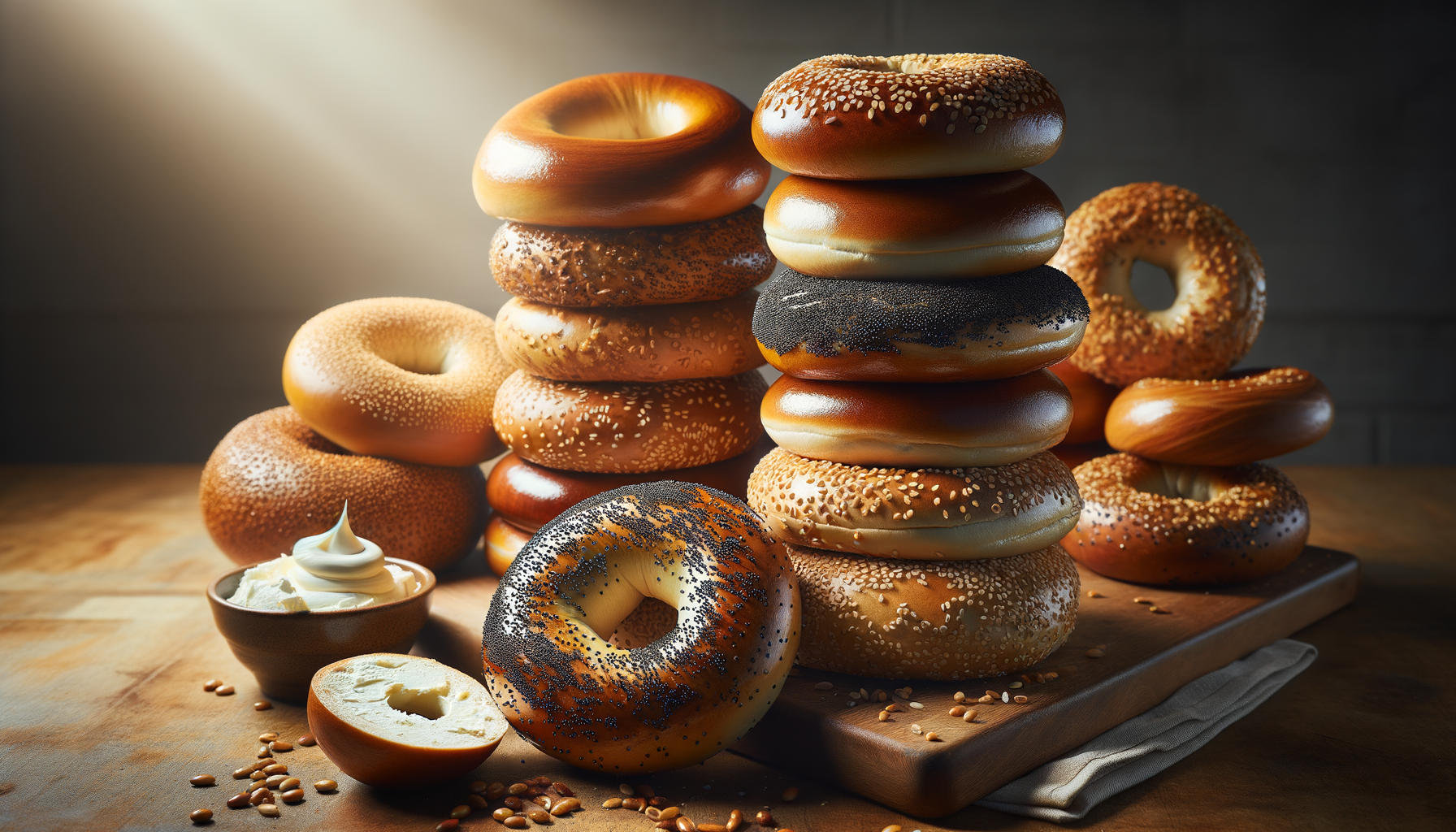
New York Bagels

Boiled then baked, the way they were meant to be. Malt-kissed, chewy, with that crackly crust. Overnight cold ferment for deep flavor. Once you make these, the store-bought ones are finished.

Yield: 8 bagels
Difficulty: Intermediate
Time: 1–2 days
Bracha: HaMotzi

4
Pareve
Advanced
Shabbat

Sourdough Challah

The summit of the bread path. No commercial yeast — just levain, flour, honey, and time. Ancient craft meets extraordinary bread. A complete guide with baker’s percentages and detailed fermentation timelines.

Yield: 2 large loaves
Difficulty: Advanced
Time: 18–24 hours
Bracha: HaMotzi

Sephardi & Mizrachi Breads

The layered, slow-baked, and fragrant breads of the Yemenite, North African, and Middle Eastern Jewish traditions — shaped by Shabbat observance and centuries of ingenuity.

5
Pareve
Dairy option
Shabbat
Yemenite

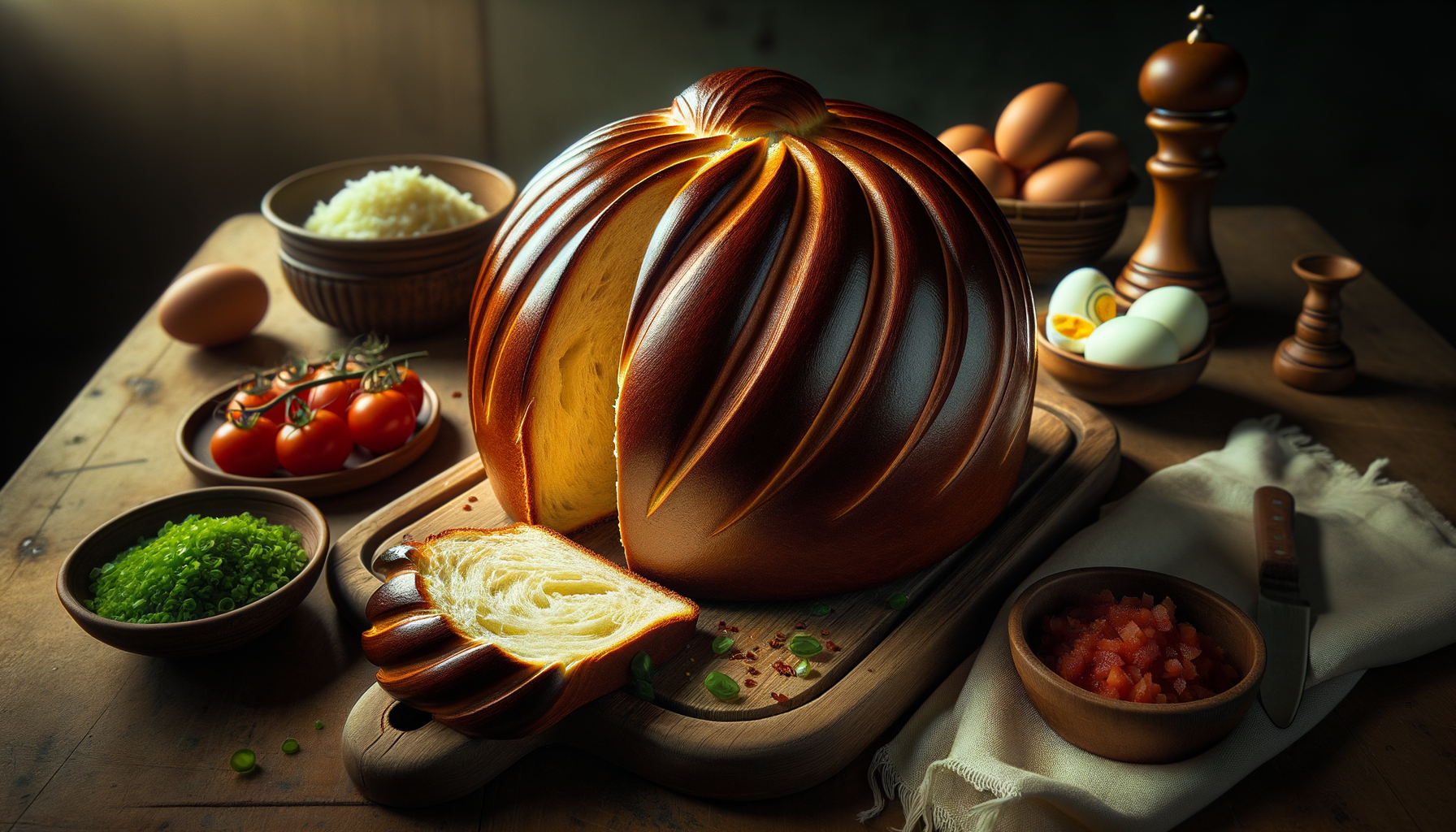
Kubaneh

The golden Yemenite Shabbat bread, slow-baked overnight in a sealed pot. Buttery, pull-apart layers that emerge Saturday morning with a deep, caramelized aroma. Served with grated tomato and s’chug. Where challah owns Friday night, kubaneh owns Shabbat morning.

Yield: 1 large loaf (8–10 servings)
Difficulty: Intermediate
Time: 12–14 hours (overnight)
Bracha: HaMotzi

Pastries & Holiday Bakes

The sweet side of Jewish baking — flaky pastries, filled cookies, and golden donuts, organized by occasion so you can bake with the Jewish calendar.

6
Dairy
Pareve option

Rugelach

Flaky, filled, and perfectly Jewish. Cream cheese or pareve dough, three filling options, and step-by-step shaping. 48 perfect crescents for any simcha.

Yield: 48 pieces
Difficulty: Intermediate
Time: 3–4 hours
Bracha: Mezonot

7
Dairy
Pareve option
Purim

Hamantaschen

Classic Purim cookies that actually stay closed. Two doughs, five fillings, and the pinching technique that ends the unfolding forever. A Purim essential.

Yield: 36–40 pieces
Difficulty: Easy–Intermediate
Time: 2–3 hours
Bracha: Mezonot

8
Pareve
Dairy option
Hanukkah

Sufganiyot

Pillowy Hanukkah donuts filled with joy. Golden, fried in oil to honor the miracle, then filled with jam, custard, or chocolate. The taste of the Festival of Lights.

Yield: 12–14 donuts
Difficulty: Intermediate
Time: 3–4 hours
Bracha: Mezonot

Quick Reference

# Recipe Tradition Classification Difficulty Bracha Occasion
1 Classic Challah Ashkenazi Pareve Intermediate HaMotzi Shabbat
2 Chocolate Babka Ashkenazi Pareve Intermediate HaMotzi Shabbat
3 New York Bagels Ashkenazi Pareve Intermediate HaMotzi Year-round
4 Sourdough Challah Ashkenazi Pareve Advanced HaMotzi Shabbat
5 Kubaneh Yemenite Pareve / Dairy Intermediate HaMotzi Shabbat
6 Rugelach Ashkenazi Dairy / Pareve Intermediate Mezonot Year-round
7 Hamantaschen Ashkenazi Dairy / Pareve Easy–Intermediate Mezonot Purim
8 Sufganiyot Ashkenazi / Israeli Pareve / Dairy Intermediate Mezonot Hanukkah

About the Kosher Bread Path

Every recipe on the Kosher Bread Path has been developed with two commitments: baking excellence and genuine kosher observance. We use precise gram weights and baker’s percentages so you can reproduce consistent results every time. We include the correct brachot (blessings), guidance on Hafrashat Challah (separating challah dough), egg-checking procedures, and ingredient-level kashrus notes — because a great kosher recipe must be great in every sense of the word.

Our breads are organized by tradition and complexity. The Ashkenazi Breads section begins with Classic Challah — the recipe that teaches you how dough feels, how braiding works, and how fermentation transforms flour and water into something extraordinary. Chocolate Babka builds on that foundation with enriched dough and layered shaping. New York Bagels introduce boiling and high-heat baking. And Sourdough Challah is the summit — a levain-leavened loaf that takes 18 to 24 hours and rewards every minute of patience.

The Sephardi & Mizrachi Breads section opens a different world entirely. Kubaneh — the golden Yemenite pull-apart bread, slow-baked overnight in a sealed pot — is your introduction to a tradition where Shabbat observance and baking ingenuity merge into something extraordinary. This section will grow as we explore breads from North Africa, the Middle East, and beyond.

The Pastries & Holiday Bakes follow the Jewish calendar. Rugelach are year-round — perfect for a Shabbos dessert, a shiva visit, or a Tuesday afternoon. Hamantaschen belong to Purim, filled with poppy seeds, chocolate, or apricot jam, and tucked into mishloach manot baskets. Sufganiyot mark Hanukkah, fried in oil to honor the miracle, and filled with whatever brings you joy.

Begin Your Path

Every loaf tells a story. Every braid carries a tradition. Pick a recipe, gather your ingredients, and step into a kitchen where the ancient and the everyday meet in flour, water, and time.