Search 150+ Kosher Recipes
Pareve
2 large flatbreads
Intermediate
40 minutes
3–4 hours
HaMotzi
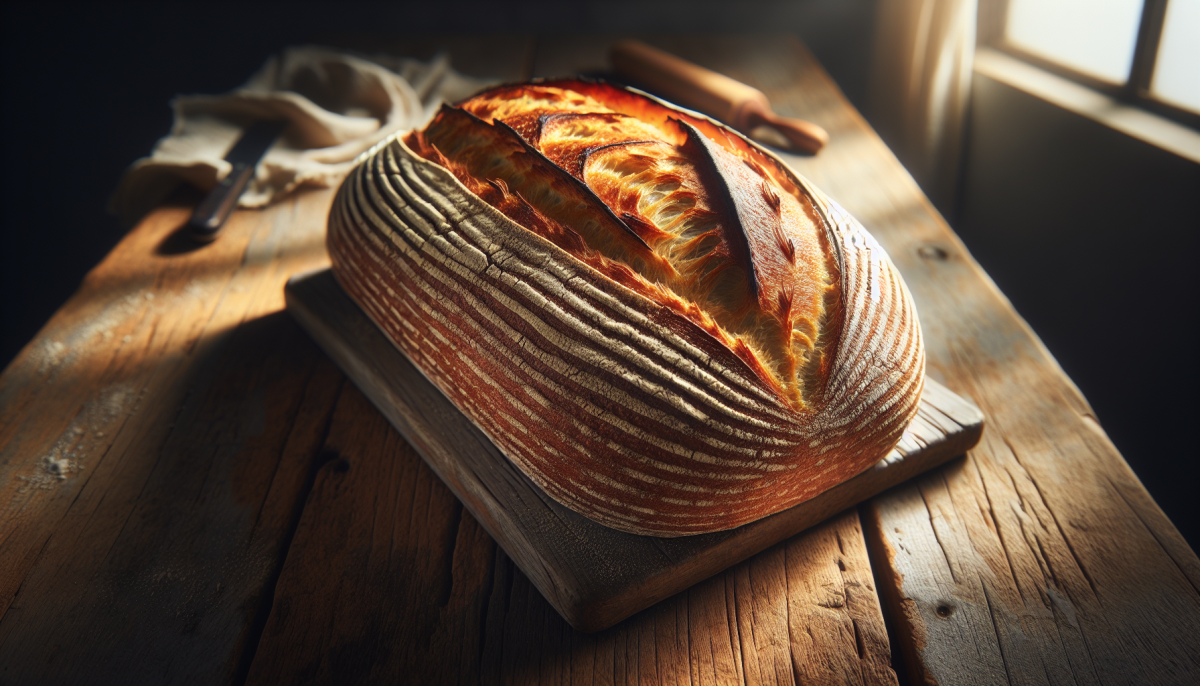
Barbari is the king of Persian flatbreads — large, golden, ridged with deep scores, and glazed with a flour paste called roomal that gives it an extraordinary crispy, almost lacquered surface. For Iranian Jews, barbari was the bread of Friday morning, bought still warm from the sangak bakery and served with feta cheese, walnuts, fresh herbs, and sweet tea.
The dough is simple and lean, but the roomal glaze is what sets barbari apart from every other flatbread. This thin paste of flour and water, sometimes with a touch of baking soda, is brushed onto the scored surface just before baking. In the oven’s heat, it creates a glossy, crackling crust that shatters when you tear into it, revealing a soft, chewy interior studded with air bubbles.
Shape it long and oval, score it with your fingertips in parallel ridges, scatter nigella and sesame seeds into the grooves, and bake on a hot stone. The result is a flatbread of remarkable beauty — amber and gold, ridged like a field plowed in rows, and perfuming your kitchen with the scent of toasted wheat and sesame.
What Makes This Special
- Roomal glaze — The distinctive flour-paste coating that creates barbari’s signature crackling crust.
- Scored ridges — Deep fingertip channels that crisp up and hold toppings.
- Persian Jewish tradition — The Friday morning bread of Iranian Jewish households.
- Dramatic presentation — Large, golden, and stunning on a breakfast spread.
Halachic Notes
- Kosher Classification: Pareve
- Hafrashat Challah: Uses ~500g flour. Separate challah without a bracha at this quantity.
- Checking Eggs: Each egg must be checked individually for blood spots before adding.
- Pas Yisroel: Homemade bread baked by a Jewish person fulfills Pas Yisroel.
- Brachot: Before eating: HaMotzi. After eating: Birkat HaMazon.
Ingredients
Dough
| Ingredient | Grams | Volume | Baker’s % |
|---|---|---|---|
| Bread flour | 500 g | 4 cups | 100% |
| Granulated sugar | 10 g | 2 tsp | 2% |
| Fine sea salt | 10 g | 1¾ tsp | 2% |
| Instant yeast | 5 g | 1½ tsp | 1% |
| Warm water | 340 g | 1½ cups | 68% |
| Vegetable oil | 15 g | 1 tbsp | 3% |
Roomal Glaze
| Ingredient | Grams | Volume | Baker’s % |
|---|---|---|---|
| All-purpose flour | 30 g | 3 tbsp | — |
| Water | 120 g | ½ cup | — |
| Baking soda | 1 g | ¼ tsp | — |
| Sugar | 5 g | 1 tsp | — |
Step-by-Step Instructions
Step 1: Mix and Knead
Combine flour, sugar, salt, yeast. Add water and oil. Knead 8–10 minutes until smooth. This is a wet, extensible dough.
Step 2: Rise
Cover and rise 1½–2 hours until doubled.
Step 3: Make the Roomal
Whisk flour, water, baking soda, and sugar in a small saucepan over medium heat, stirring constantly, until thickened to a thin paste (2–3 minutes). Cool slightly.
Step 4: Shape
Preheat oven to 230°C / 450°F with a baking stone. Divide dough in half. On oiled parchment, stretch each piece into an oval about 35 × 15 cm (14 × 6 in). Using oiled fingertips, press deep parallel ridges lengthwise across the surface, about 2 cm apart. Brush generously with roomal glaze. Sprinkle sesame and/or nigella seeds into the grooves.
Step 5: Bake
Slide onto the hot stone. Bake 12–15 minutes until deeply golden and the glaze is crackling and glossy. The ridges should be crispy and the valleys soft. Serve immediately.
Storage & Make-Ahead
- Best served: Immediately. Barbari is a fresh bread, meant to be eaten within hours.
- Reheating: Toast slices or warm whole in a 200°C oven for 3–4 minutes.
- Freezing: Wrap and freeze up to 1 month. Reheat from frozen in hot oven.
Troubleshooting
| Problem | Cause | Solution |
|---|---|---|
| No crispy crust | Roomal too thin or not applied | Make glaze thick enough to coat; brush generously |
| Flat bread | Under-proofed or oven not hot enough | Allow full rise; preheat stone thoroughly at 230°C |
| Ridges disappearing | Dough springing back | Let dough relax 5 minutes, then re-score; oil fingertips well |
Frequently Asked Questions
What is roomal?
Roomal (also romanized as romal) is a cooked flour-and-water paste brushed on barbari before baking. It creates the signature glossy, crackling crust. The baking soda helps with browning.
What seeds should I use?
Traditional toppings include sesame seeds, nigella seeds (ketzach/shoresh), or a combination. Some bakers add poppy seeds as well.
Can I make this without a baking stone?
Yes. Use an inverted baking sheet preheated in the oven. The crust will not be quite as crispy but the bread will still be excellent.
What do Iranian Jews serve with barbari?
Traditional accompaniments include feta cheese, walnuts, fresh herbs (mint, basil, tarragon), jam, and sweet tea. It is also served with eggs and tomatoes for a Persian-style breakfast.
Breads of Persia
Explore Sephardi and Mizrachi traditions on the Kosher Bread Path.
🍞 Get a New Kosher Recipe Every Week
Join our baking community. One recipe, one tip, one story — delivered every Friday before Shabbat.
No spam. Just bread. Unsubscribe anytime.
You Might Also Enjoy
- Pita Bread — Classic Middle Eastern flatbread
- Laffa — Soft Iraqi flatbread
- Taboon Bread — Clay-oven flatbread
- Iraqi Samoon — Diamond-shaped Iraqi bread
- Sesame Challah — Sesame-topped braided bread
Leave a Reply
You must be logged in to post a comment.