
Categories
Recipes

Everything Bagel Challah Recipe: Modern Fusion Bread

✔ Pareve
Yield: 1 large loaf  |  Difficulty: Intermediate  |  Active Time: 40 minutes  |  Total Time: 4 hours  |  Bracha: Hamotzi

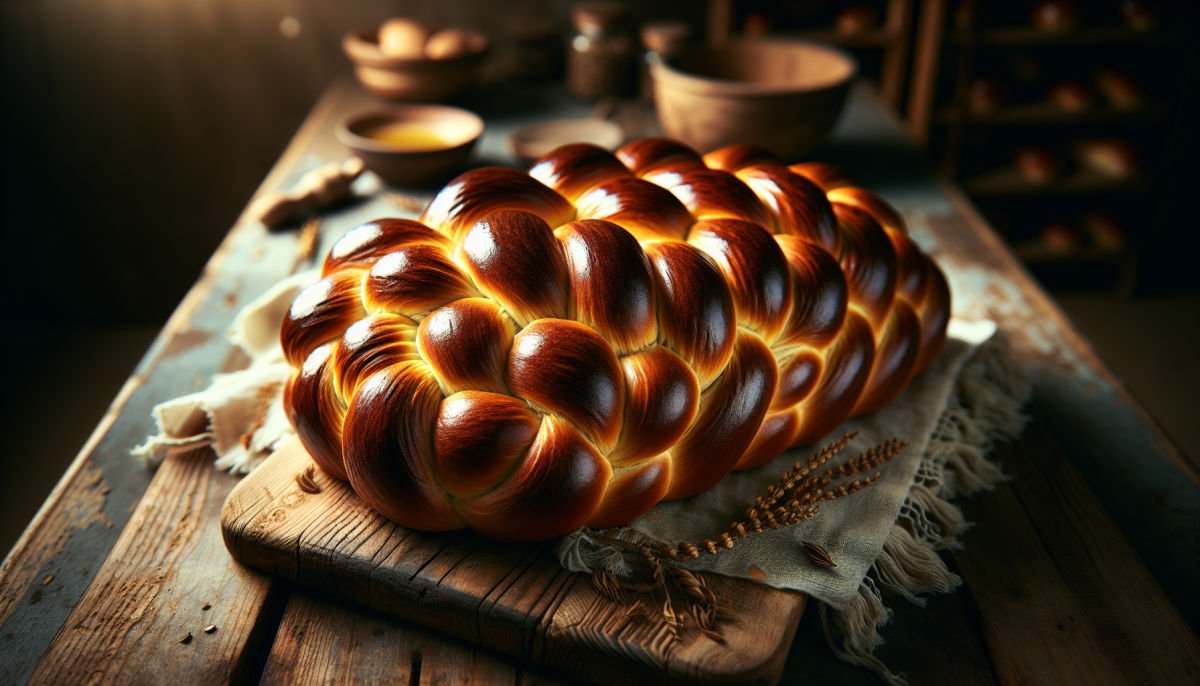
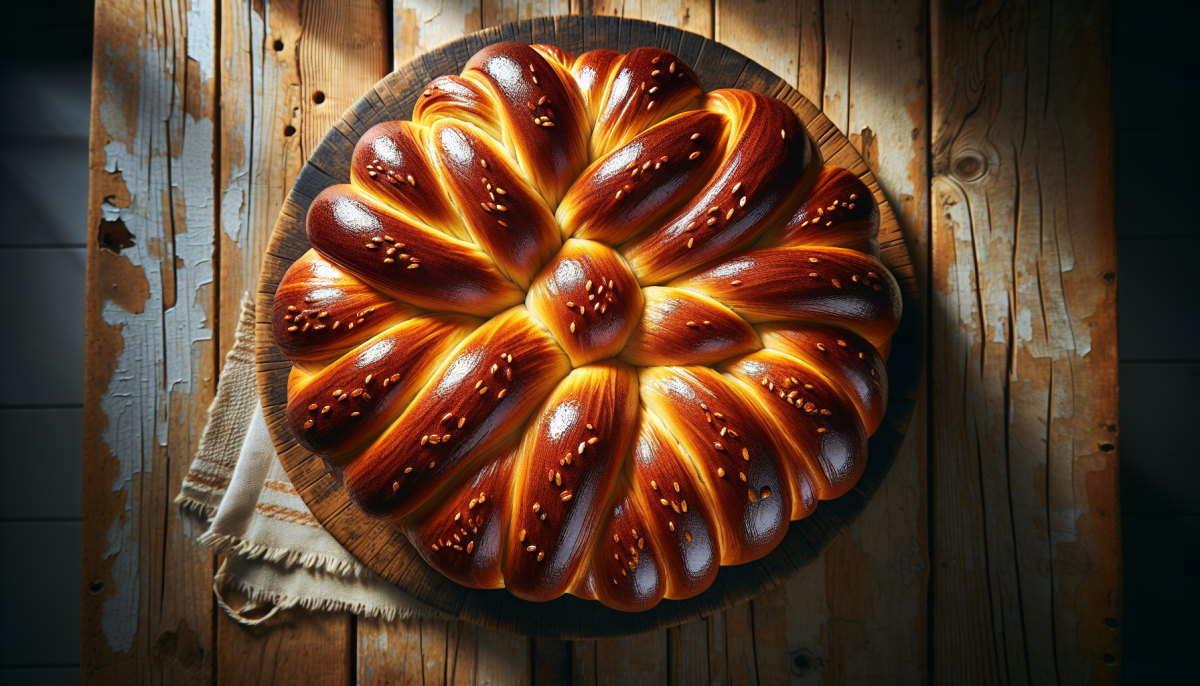
Two of the most iconic breads in Jewish baking—challah and the everything bagel—come together in a loaf that has taken the modern Jewish food world by storm. Everything bagel challah wraps the soft, rich, egg-enriched crumb of a classic challah in a crust encrusted with that irresistible mix of poppy seeds, sesame seeds, dried garlic, dried onion, and flaky salt. The result is a bread that bridges tradition and innovation, equally at home on a Shabbat table and a Sunday brunch spread.

The genius of this combination is in how the two elements complement each other. Challah dough is subtly sweet, tender, and pillowy—a perfect canvas for the savory, crunchy punch of everything seasoning. Where a traditional challah gets its flavor from eggs, oil, and a touch of honey, this version adds layers of allium, nuttiness, and salt that transform each bite into something addictive. It’s the kind of bread that disappears from the table before you’ve finished saying hamotzi.

The technique is straightforward: a classic challah dough, braided beautifully, then coated in a generous layer of everything seasoning that adheres to a tacky egg wash. The seasoning bakes into the crust, becoming aromatic and slightly toasted, while the interior stays cloud-soft. Make this once and it will become a permanent addition to your Shabbat rotation.
Categories
Recipes

Jewish Rye Bread Recipe: Classic Deli-Style Caraway Rye

✔ Pareve
Yield: 1 large loaf  |  Difficulty: Intermediate  |  Active Time: 30 minutes  |  Total Time: 5 hours  |  Bracha: Hamotzi

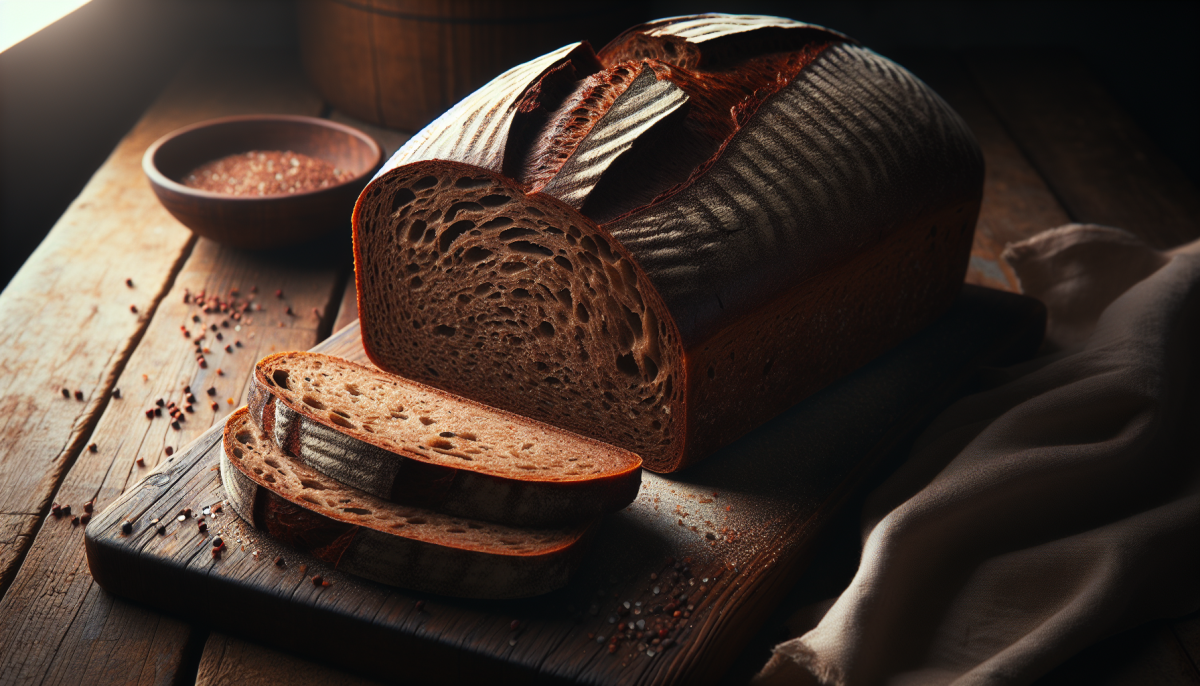
Walk into any great Jewish deli—from Katz’s on the Lower East Side to Schwartz’s in Montreal—and the first thing that arrives at your table is a basket of rye bread. Not just any rye bread, but Jewish rye: a loaf with a tight, slightly sour crumb shot through with the warm, anise-like fragrance of caraway seeds, a crust that crackles when you press it, and a flavor that stands up to the boldest deli meats without ever being overwhelmed.

Jewish rye bread occupies a unique place in the pantheon of American Jewish food. Brought to the Lower East Side by Eastern European immigrants in the late 19th and early 20th centuries, it became the foundation of the Jewish deli sandwich—the bread upon which towers of pastrami, corned beef, and tongue were built. The original bakeries on Hester Street and Rivington Street produced thousands of loaves daily, each one a connection to the rye breads of Lithuania, Poland, and Russia.

This recipe produces the classic “New York Jewish rye”—a medium rye with about 30% rye flour (enough for authentic flavor without the density of a 100% rye), generous caraway seeds, and a cornmeal-dusted bottom crust. The crumb is tight enough to hold a pile of pastrami without collapsing, yet tender enough to eat on its own with just a smear of mustard. It’s the kind of bread that makes you understand why Jewish delis became an American institution.

Categories
Recipes

Za’atar Manoushe Recipe: Levantine Jewish Flatbread

✔ Pareve
Yield: 8 flatbreads  |  Difficulty: Easy  |  Active Time: 30 minutes  |  Total Time: 2½ hours  |  Bracha: Hamotzi

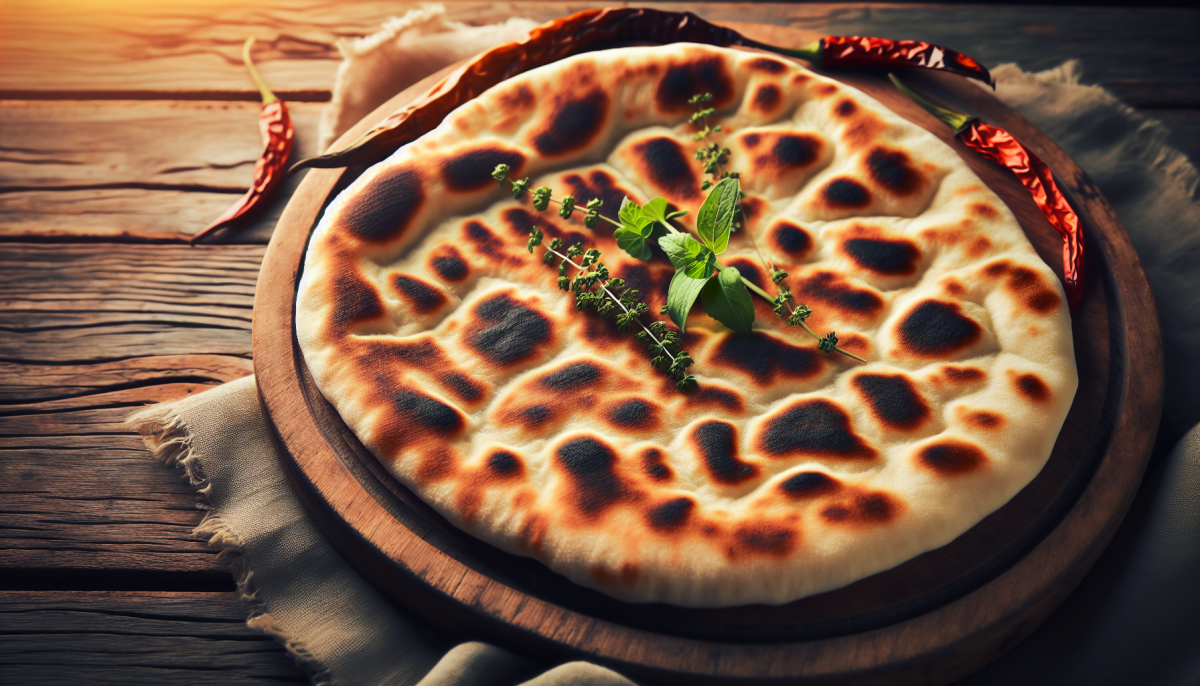
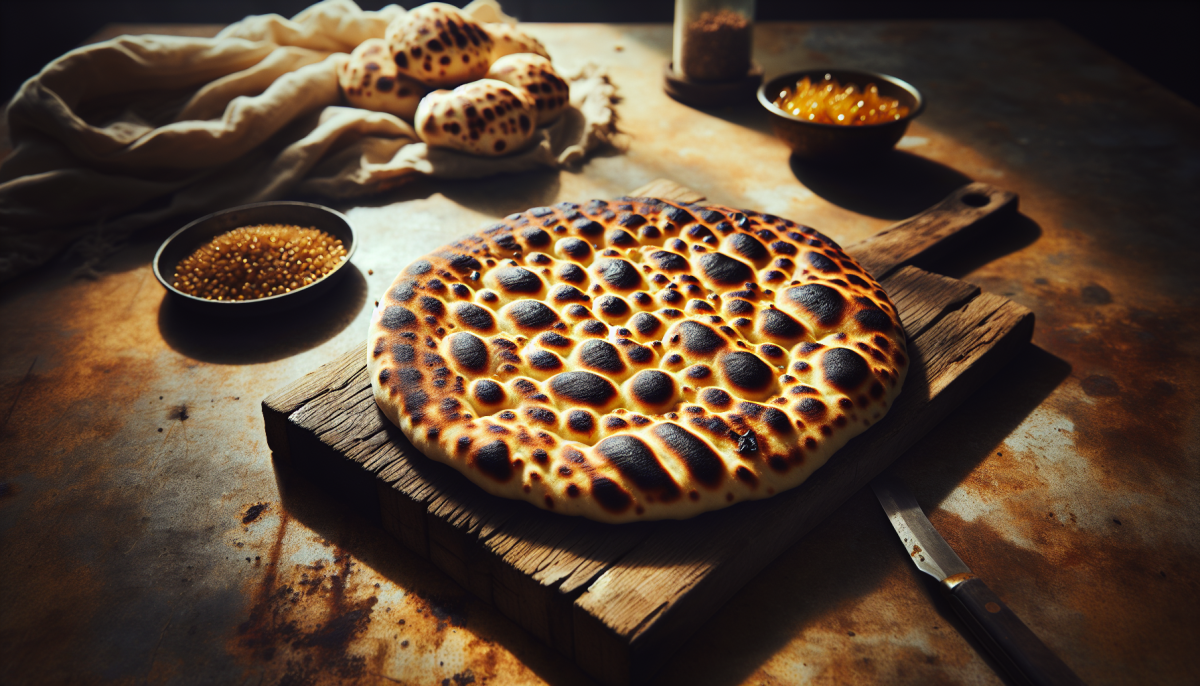
Manoushe (also spelled man’oushe or manakeesh in the plural) is the quintessential Levantine breakfast bread—a soft, pillowy flatbread generously spread with a fragrant mixture of za’atar and olive oil, then baked until the edges puff and the herbs bloom into an intoxicating aroma. For Jewish communities across Lebanon, Syria, and Israel, this bread has been a morning staple for generations, eaten fresh from the oven with labneh, fresh vegetables, and strong coffee.

The beauty of manoushe lies in its simplicity. The dough is uncomplicated—flour, water, yeast, a touch of sugar, and salt—but the magic happens when that soft round gets slathered with the za’atar-olive oil paste and hits the heat of the oven. The za’atar topping, a blend of dried thyme, sumac, sesame seeds, and salt, transforms from a paste into a deeply aromatic, slightly crunchy layer that clings to the bread’s surface while the interior remains soft and chewy.

In the Jewish communities of Aleppo and Beirut, manoushe held a special place at the breakfast table, especially on Shabbat morning. Today, it’s one of the most popular street foods in Israel, where bakeries produce hundreds of these flatbreads daily. Making them at home is remarkably straightforward, and the results—hot, fragrant, and impossibly fresh—surpass anything you can buy.

Categories
Recipes

Cinnamon Raisin Bread Recipe: Jewish Bakery Classic

✔ Pareve
Yield: 1 loaf (12 slices)  |  Difficulty: Intermediate  |  Active Time: 35 minutes  |  Total Time: 4 hours  |  Bracha: Hamotzi

Every great Jewish bakery has a cinnamon raisin bread in the display case—that gorgeous loaf with its tight spiral of dark cinnamon swirl, plump raisins peeking through a tender, golden crumb, and a fragrance that stops you mid-step and pulls you toward the counter. This is that bread, built from scratch with the techniques and care that separate a truly exceptional cinnamon raisin loaf from the ordinary.

The Jewish bakery tradition of enriched breads finds one of its most universally beloved expressions in cinnamon raisin bread. While challah gets the spotlight on Shabbat, cinnamon raisin bread is the weekday hero—perfect for breakfast toast, afternoon snacking, or French toast on a lazy Sunday morning. It bridges the gap between bread and pastry, offering just enough sweetness and spice to feel indulgent while remaining firmly in the bread category.

The secret to a truly great cinnamon raisin bread lies in three details: a properly enriched dough that stays soft for days, a cinnamon filling that’s thick enough to create visible swirls without separating from the bread, and raisins that are plump and juicy rather than dry and hard. Get these three elements right, and you’ll have a loaf that rivals anything from the best bakeries—slicing cleanly to reveal that mesmerizing spiral pattern that never fails to impress.

Categories
Recipes

Flodni Recipe: Hungarian Jewish Layered Pastry

✔ Pareve
Yield: 24 pieces  |  Difficulty: Intermediate–Advanced  |  Active Time: 1½ hours  |  Total Time: 5 hours  |  Bracha: Mezonot

Flodni is the crown jewel of Hungarian Jewish pastry—a magnificent layered creation that tells the story of Budapest’s once-thriving Jewish bakery culture in every bite. This architectural marvel stacks four distinct fillings between five layers of tender, flaky pastry: ground poppy seed, crushed walnut, spiced apple, and rich plum jam, each layer a distinct flavor and texture that harmonizes into something far greater than the sum of its parts.

The origins of flodni trace back to the Jewish quarter of Budapest, where bakeries along Kazinczy Street produced these elaborate pastries for Shabbat, holidays, and celebrations. Each filling carries symbolic weight—the apple for Rosh Hashanah sweetness, the poppy seed for Purim, the walnut for abundance, and the plum jam (lekvar) for the preserved flavors of harvest. Together, they represent the full cycle of the Jewish year in a single confection.

Making flodni is an act of devotion. The process requires patience and care—preparing four separate fillings, rolling out five layers of dough, and assembling everything with precision. But the reward is extraordinary: a pastry that slices into perfect layers of contrasting colors and textures, each bite offering the earthy warmth of poppy seeds, the buttery crunch of walnuts, the bright acidity of apples, and the deep sweetness of plum. It’s the kind of baking that connects you to generations of Hungarian Jewish bakers who understood that the most beautiful things take time.

Categories
Recipes

Challah Rolls Recipe: Individual Shabbat Dinner Rolls

✔ Pareve
Yield: 12 rolls  |  Difficulty: Easy–Intermediate  |  Active Time: 40 minutes  |  Total Time: 3½ hours  |  Bracha: Hamotzi

There’s something undeniably charming about a basket of golden challah rolls gracing the Shabbat table. Each guest receives their own perfectly portioned roll—warm, soft, and fragrant with the same egg-enriched richness that makes a full-sized challah so beloved, but in a form that feels personal and special.

These individual challah rolls carry all the hallmarks of the classic loaf: a tender, slightly sweet crumb that pulls apart in gossamer layers, a burnished crust painted with egg wash, and that unmistakable aroma that signals the arrival of Shabbat. The difference is in the intimacy—each roll is its own small celebration, a personal portion that eliminates the need for slicing and ensures every seat at the table gets that coveted combination of crisp exterior and pillowy interior.

The shaping options are endlessly adaptable. A simple round knot creates an elegant presentation, while a three-strand mini braid delivers the traditional look in miniature. For holidays, you can shape them into small round spirals for Rosh Hashanah or elongated rolls for weekday use. Whatever the shape, the technique remains the same: a well-developed dough, gentle handling, and a generous brush of egg wash for that bakery-worthy shine.

Categories
Recipes

Cheese Danish Recipe: Classic Jewish Bakery Pastry

DairyContains Dairy • Contains Eggs • Contains Gluten
Yield12 danish
DifficultyIntermediate
Active Time35 minutes
Total Time3–4 hours
BrachaMezonot

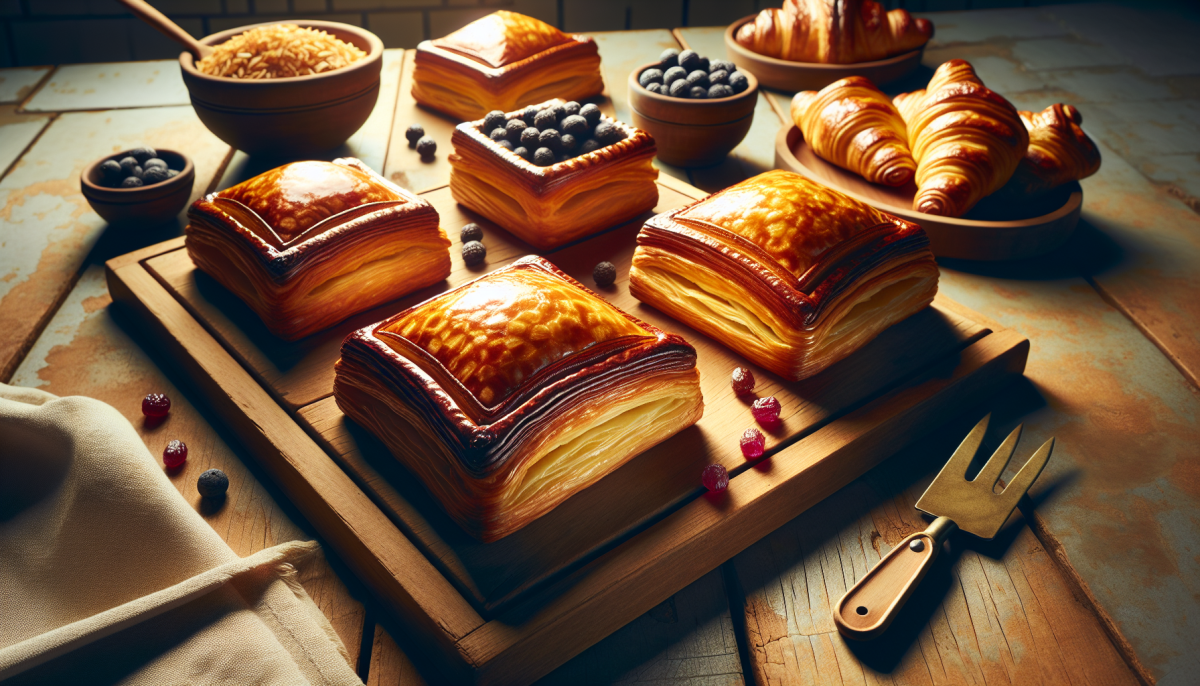
The cheese danish is the undisputed king of the Jewish bakery pastry case. Walk into any Jewish bakery in New York — Zaro’s, Moishe’s, Oneg — and there it is: a golden, flaky pastry shell cradling a pillow of sweet, tangy cream cheese filling, sometimes topped with a ribbon of fruit preserves or a shower of streusel crumbs. It is the pastry that launched a thousand Sunday morning rituals.

Jewish bakery cheese danish are different from the laminated Danish pastries of Scandinavian tradition. The Jewish version uses a rich, yeasted dough (not laminated puff pastry), which is softer, more bread-like, and easier to make at home. The filling is a mixture of cream cheese, sugar, egg yolk, vanilla, and lemon zest — tangy, sweet, and impossibly smooth.

These are not the shrink-wrapped, mass-produced danish from a supermarket shelf. These are the real thing: freshly baked, with a golden, slightly crisp exterior and a warm, creamy center that oozes slightly when you take the first bite.

For another Jewish bakery dairy classic, try our Burekas. For the chocolate side of Jewish pastry, see our Kokosh Cake.

Categories
Recipes

Tahini Challah Recipe: Modern Israeli Braided Bread

PareveDairy-Free • Contains Eggs • Contains Gluten
Yield1 large loaf
DifficultyIntermediate
Active Time30 minutes
Total Time4–5 hours
BrachaHaMotzi

Tahini challah is where ancient Jewish tradition meets modern Israeli flavor. Take the classic challah dough — enriched, eggy, slightly sweet — and weave through it a ribbon of tahini and date syrup (silan). The result is a bread that is unmistakably challah in form but entirely new in flavor: nutty, slightly bitter from the sesame, sweet and caramel-like from the dates, with a golden crust that carries the aroma of a Middle Eastern kitchen.

This recipe reflects the beautiful fusion happening in Israeli baking today, where Ashkenazi and Sephardic traditions meet and inspire each other. Challah is quintessentially Ashkenazi; tahini is quintessentially Middle Eastern. Together they create something that belongs to neither tradition alone but to the new, evolving food culture of Israel.

The tahini-date swirl runs through the braid, creating pockets of flavor that reveal themselves as you tear the bread apart. On Shabbat morning, each pull releases the scent of toasted sesame. It is a challah for people who love challah but want something unexpected.

For the classic version, see our Classic Challah. For another variation, try our Honey Challah.

Categories
Recipes

Schnecken Recipe: Jewish Cinnamon Pecan Sticky Buns

DairyContains Dairy • Contains Eggs • Contains Gluten
Yield12 buns
DifficultyIntermediate
Active Time40 minutes
Total Time4–5 hours
BrachaMezonot

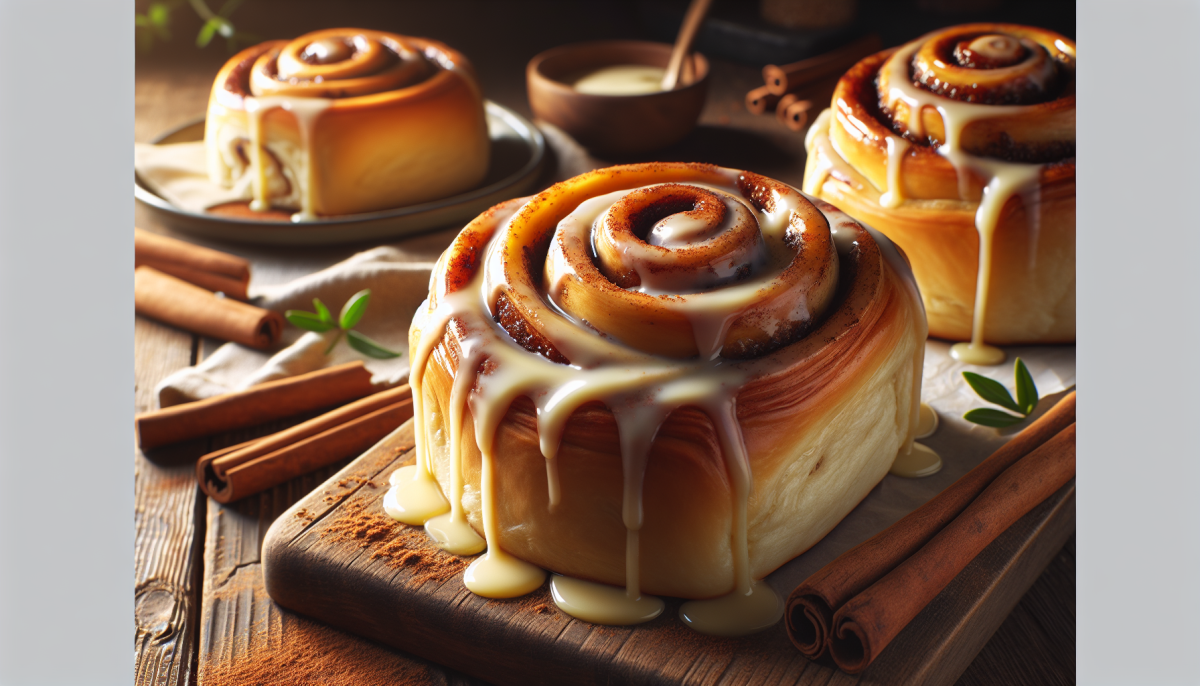
Schnecken — the word means “snails” in German and Yiddish — are the Jewish answer to the cinnamon roll, and they are infinitely better. Where a cinnamon roll is merely sweet, schnecken are complex: a rich, buttery yeast dough rolled with cinnamon sugar, nestled over a layer of caramelized pecan topping that becomes sticky, golden, and irresistible when the pan is inverted after baking.

Schnecken were a staple of every Jewish bakery in America from the 1920s through the 1970s — the golden age of Jewish baking. They were displayed in the window alongside babka and rugelach, their glossy caramel tops glistening under the bakery lights. They were the special-occasion breakfast, the treat brought to a bris, the indulgence that made Sunday morning worth waking up for.

This recipe uses a classic enriched dairy dough — butter, eggs, and milk create a tender, brioche-like crumb. The caramel topping is a simple mixture of butter, brown sugar, and pecans that goes into the pan first and transforms during baking into a gorgeous, sticky glaze.

For the chocolate version of Jewish enriched dough, try our Babka Buns or Chocolate Babka.

Categories
Recipes

Laffa Recipe: Soft Iraqi Jewish Flatbread

PareveDairy-Free • Egg-Free • Contains Gluten
Yield6 large laffa
DifficultyEasy
Active Time20 minutes
Total Time2 hours
BrachaHaMotzi

Laffa is the flatbread that puts pita to shame. Where pita is small and pocketed, laffa is large, soft, and pliable — a wide sheet of bread that wraps around shawarma, falafel, and grilled meats like a warm blanket. If you have eaten a shawarma wrapped in a large, thin, slightly chewy flatbread at an Israeli grill restaurant, you have eaten laffa.

Laffa (also spelled lafa) originated in the Iraqi Jewish community, where it was baked in a taboon — a clay oven where the dough is slapped directly onto the scorching-hot walls. Iraqi Jews who immigrated to Israel brought this bread with them, and it quickly became one of the most popular street breads in the country. Today, laffa is inseparable from Israeli shawarma culture.

At home, you can achieve excellent laffa on a very hot skillet, cast iron pan, or even an inverted wok. The key is high heat and quick cooking — 1–2 minutes per side until the bread puffs, chars slightly, and remains wonderfully soft and pliable.

For a smaller, pocketed alternative, try our Pita Bread. For another Iraqi-influenced bread, see our Sambusak.