
Categories
Recipes

Mandelbrot Recipe — Classic Jewish Almond Biscotti

Pareve
Dairy-Free • Contains Eggs • Contains Nuts • Contains Gluten
Yield~30 cookies
DifficultyEasy
Active Time25 minutes
Total Time2 hours
BrachaMezonot

Mandelbrot — “almond bread” in Yiddish — is the twice-baked cookie that every Jewish grandmother made better than anyone else’s. Long before Italian biscotti became fashionable in American coffee shops, Ashkenazi bakers were slicing logs of almond-studded dough and baking them twice until they achieved that perfect, shattering crunch. Mandelbrot was the cookie jar staple of every Eastern European Jewish home, the cookie you reached for with your afternoon glass of tea, the cookie that traveled in care packages and lasted for weeks.

The word itself tells you everything: mandel means almond, brot means bread. But mandelbrot is no bread — it is a cookie, crisp and golden, enriched with oil (never butter, always pareve), fragrant with vanilla and citrus zest, studded with toasted almonds and, in many family versions, chocolate chips. It is twice-baked for the same reason biscotti is: the first bake sets the structure, the second bake drives out moisture and creates that dry, crunchy texture that makes the cookie a perfect companion for dunking.

Unlike Italian biscotti, which tends to be tooth-breakingly hard, mandelbrot strikes a gentler balance — crisp on the outside, with a slightly tender interior that yields without requiring you to soak it in coffee first. This is because mandelbrot dough contains more fat (from oil and eggs) than traditional biscotti. The result is a cookie that is firm enough to dunk but forgiving enough to eat on its own.

Mandelbrot is the perfect pareve dessert — serve it after any meal, meat or dairy. Pair it with our Rugelach for a complete Jewish cookie platter that will disappear in minutes.
Categories
Recipes

Marble Rye Bread Recipe — Classic Jewish Deli Swirled Loaf

Pareve
Dairy-Free • Egg-Free • Contains Gluten
Yield1 large loaf
DifficultyIntermediate
Active Time45 minutes
Total Time5–6 hours
BrachaHaMotzi

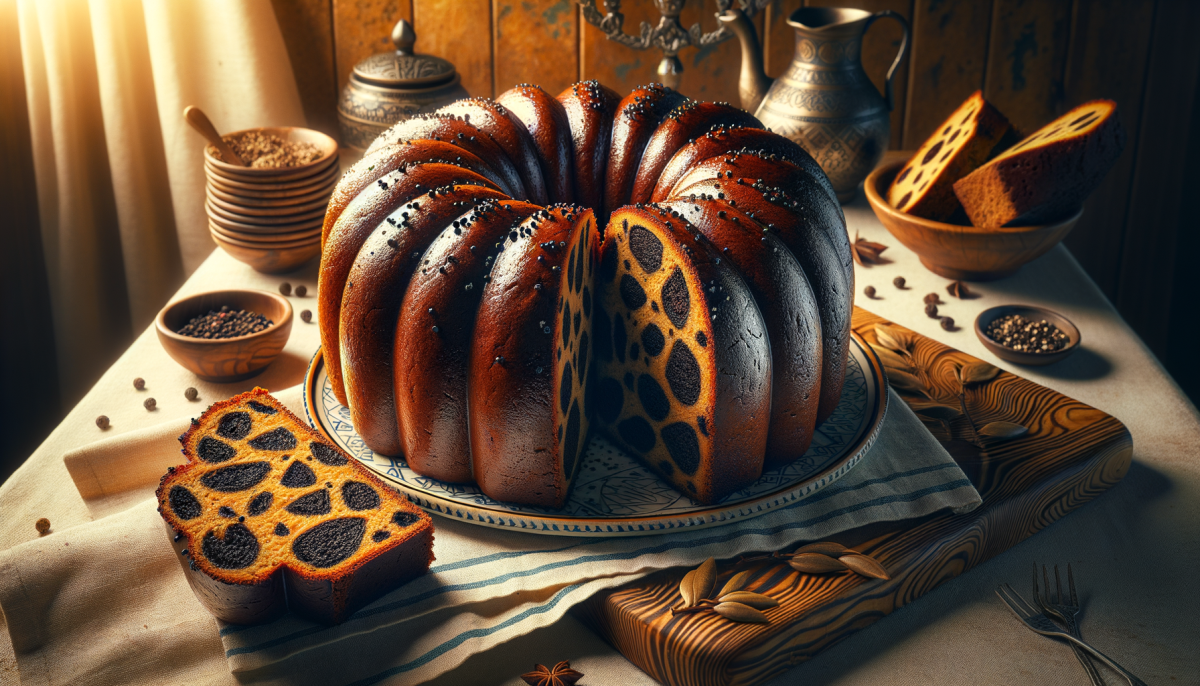
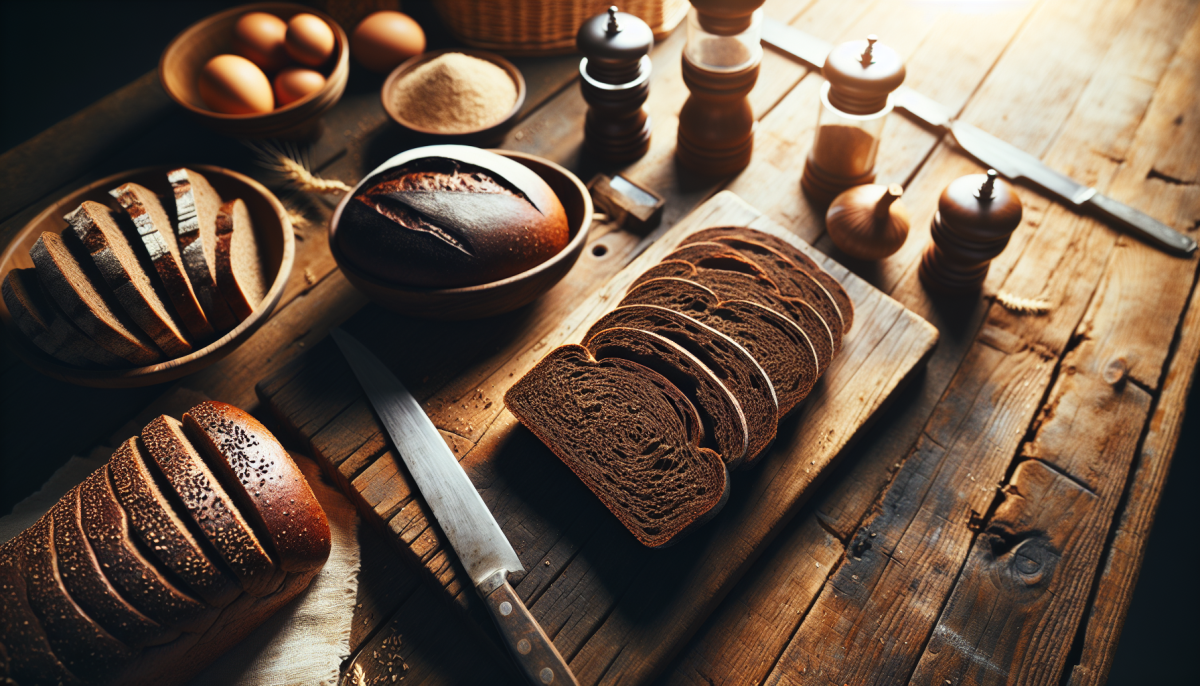
Marble rye is the bread that built the Jewish deli. Slice into any great loaf and you will find it — two doughs, one light and one dark, swirled together in an embrace that is as beautiful as it is delicious. The light rye is tangy, wheaty, and mild. The dark pumpernickel is earthy, slightly bitter, sweetened with molasses and deepened with cocoa. Together they create something neither could achieve alone: a bread of contrasts, of light and shadow, of the Old World and the New.

Every great Jewish deli in America — from Katz’s on Houston Street to Langer’s in Los Angeles — has built its reputation on the bread that cradles the pastrami. That bread is marble rye. It is the bread of the Reuben sandwich, of smoked meat platters, of Sunday morning lox and cream cheese. It is so deeply woven into Jewish-American food culture that most people never stop to consider how remarkable it is: two separate doughs, mixed independently, then twisted and shaped into a single loaf.

The technique traces back to the rye bread traditions of Eastern Europe, where Jewish bakers in Poland, Lithuania, and Russia worked with whatever grains they could afford. Dark, coarse rye was the bread of the poor; lighter wheat-rye blends were for those who could pay more. Somewhere along the way, a baker combined the two — and marble rye was born. In America, Jewish bakeries refined the technique, adding cocoa and molasses to deepen the dark dough and caraway seeds for that unmistakable aroma.

If you love our Classic Challah for Shabbat, marble rye is its weekday counterpart — the bread that turns an ordinary sandwich into something worth savoring.

Categories
Recipes

Shlissel Challah Recipe — Key Challah After Pesach

Pareve
Dairy-Free • Egg • Contains Gluten
Yield
2 challahs
Difficulty
Intermediate
Active Time
45 minutes
Total Time
3–4 hours
Bracha
HaMotzi

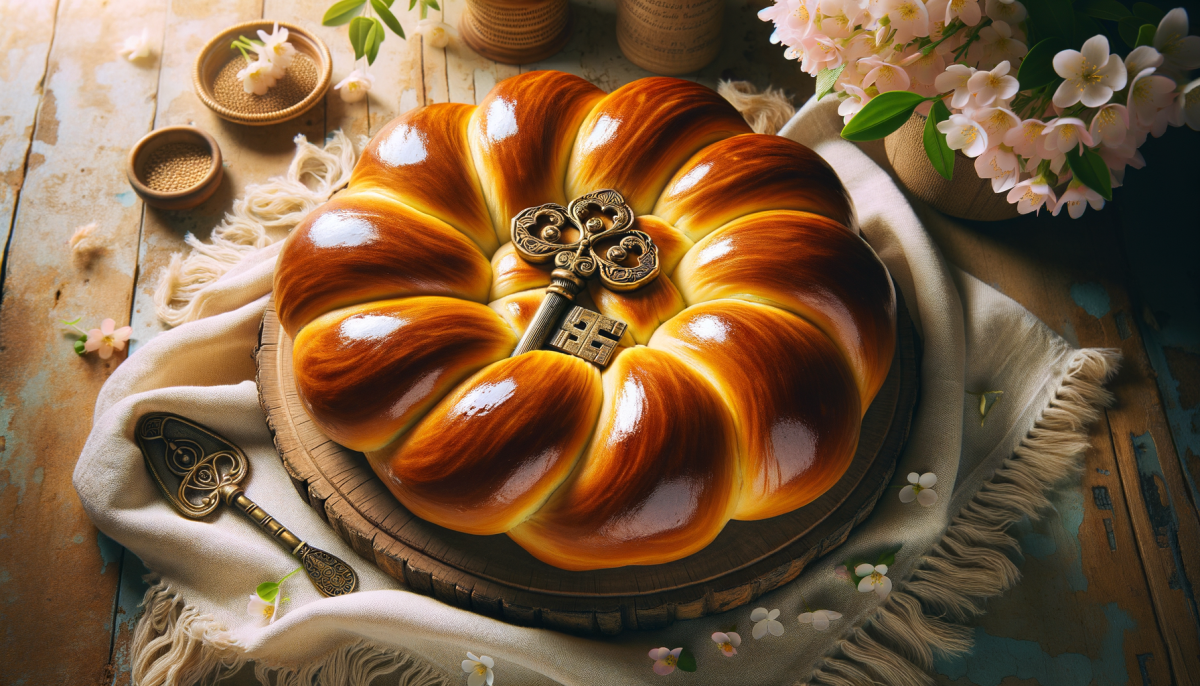
Shlissel challah is the first challah you bake after Pesach — and it carries the weight of an entire week of longing. For eight days you have eaten matzah: flat, humble, the bread of affliction and of freedom. And now, on the first Shabbat after the holiday ends, you return to chametz. You return to yeast, to rising dough, to the golden braided loaf that anchors the Jewish table. But this is no ordinary challah. This one is shaped like a key, or bears a key pressed into its surface, or hides a key wrapped in foil inside its braids. This is shlissel challah — the key challah — and it is baked as a segulah (spiritual remedy) for parnassah, for livelihood and sustenance.

The word shlissel comes from the Yiddish shlisl (שליסל), meaning “key.” The tradition holds that on the Shabbat immediately following Pesach, the gates of heaven that were opened during the holiday begin to close. By baking a challah in the shape of a key — or with a key — we symbolically ask that the gates of parnassah remain open for us and for our families. It is a prayer you can hold in your hands, a petition baked in dough.

There is something deeply moving about this minhag. After a week without bread, the first challah you bake is not just for Shabbat — it is an act of faith. You are saying: I trust that sustenance will come. I am opening the door. And so you shape the dough into a key and place it in the oven, and you wait for it to rise.

Shlissel challah is baked on the first Shabbat after Pesach. In 2026, Pesach ends on Saturday evening, April 11, making the shlissel challah Shabbat on April 17–18. Mark your calendar — this is a once-a-year bake.

Categories
Recipes

Honey Challah Recipe — Round Rosh Hashanah Bread

Pareve
Dairy-Free • Egg • Contains Gluten
Yield
2 round challahs
Difficulty
Beginner–Intermediate
Active Time
30 minutes
Total Time
3½–4 hours
Bracha
HaMotzi

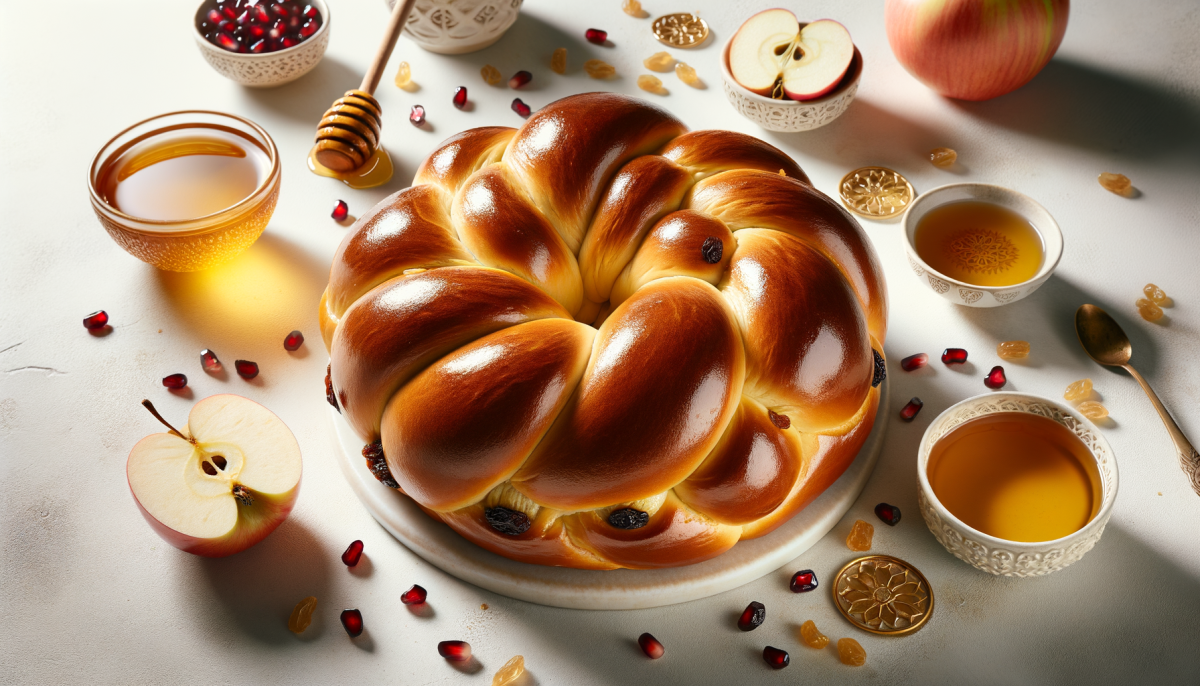
Round honey challah is THE bread of Rosh Hashanah. If there is one loaf that defines the Jewish New Year, this is it — golden, glistening with honey glaze, shaped into a tight spiral that speaks of cycles, continuity, and hope. From the first night of Rosh Hashanah through the final meal of Sukkot, this round, honey-sweetened challah replaces the traditional braided loaf on every observant Jewish table.

The symbolism is woven into every element. The round shape represents the cycle of the year — no beginning, no end, the eternal turning of seasons and festivals. Honey replaces sugar in the dough, because we ask God for a shanah tovah u’metukah — a good and sweet new year. And the spiral, rising upward from the center, is said to evoke a crown, a reminder of God’s sovereignty on the Day of Judgment.

If you have baked our Classic Kosher Challah, you already have the foundation. Honey challah uses the same core technique but swaps most of the sugar for rich, floral honey and reshapes the dough from a braid into a beautiful round coil. It is a small shift in method that carries enormous meaning.

On Rosh Hashanah night, the round challah is dipped in honey before eating — doubling the sweetness. Some families place a bowl of honey at the center of the table and let each person tear a piece and dip it themselves, making the wish for a sweet new year a communal, tactile act.

Categories
Recipes

Jerusalem Kugel Bread — Caramelized Pepper Shabbat Loaf

Pareve
Dairy-Free • Egg • Contains Gluten
Yield
1 large loaf (10–12 servings)
Difficulty
Intermediate
Active Time
45 minutes
Total Time
4–5 hours
Bracha
HaMotzi

Jerusalem Kugel Bread is a bread that captures the soul of Yerushalmi kugel — caramelized sugar, bold black pepper, and a sweet-savory-spicy warmth that is unlike anything else in Jewish baking. If you have ever tasted Yerushalmi kugel, you know the flavor: that deep, amber caramel that walks the line between bitter and sweet, shot through with enough black pepper to make your lips tingle. Now imagine those flavors woven into a soft, enriched, pull-apart bread. That is what we are making here.

This is not a kugel shaped like bread. It is a true yeasted bread — enriched with eggs and oil, layered with a caramelized sugar-pepper syrup, shaped into a pull-apart loaf that tears into glossy, amber-streaked pieces. The caramel melts into the dough during proofing and baking, creating pockets of bittersweet intensity. The black pepper, far more than a whisper, provides the signature counterpoint that makes Yerushalmi flavors so addictive.

Where classic challah is golden and mild, Jerusalem Kugel Bread is dark-streaked and assertive. It is the bread for the baker who loves contrast — sweet against spicy, soft against sticky, the familiar comfort of bread against the startling depth of burnt caramel. Serve it on Shabbat and watch it disappear before the main course arrives.

The combination of caramelized sugar and black pepper is ancient and unmistakable — the signature of Jerusalem’s Old Yishuv. This bread brings those flavors from the kugel pot to the bread basket, creating something entirely new yet deeply rooted in tradition.

Categories
Recipes

Sambusak Recipe — Iraqi Jewish Filled Pastries

Pareve
Chickpea Filling • Contains Gluten • Meat option below
Yield
~30 pastries
Difficulty
Intermediate
Active Time
1 hour
Total Time
2–2.5 hours
Bracha
Mezonot

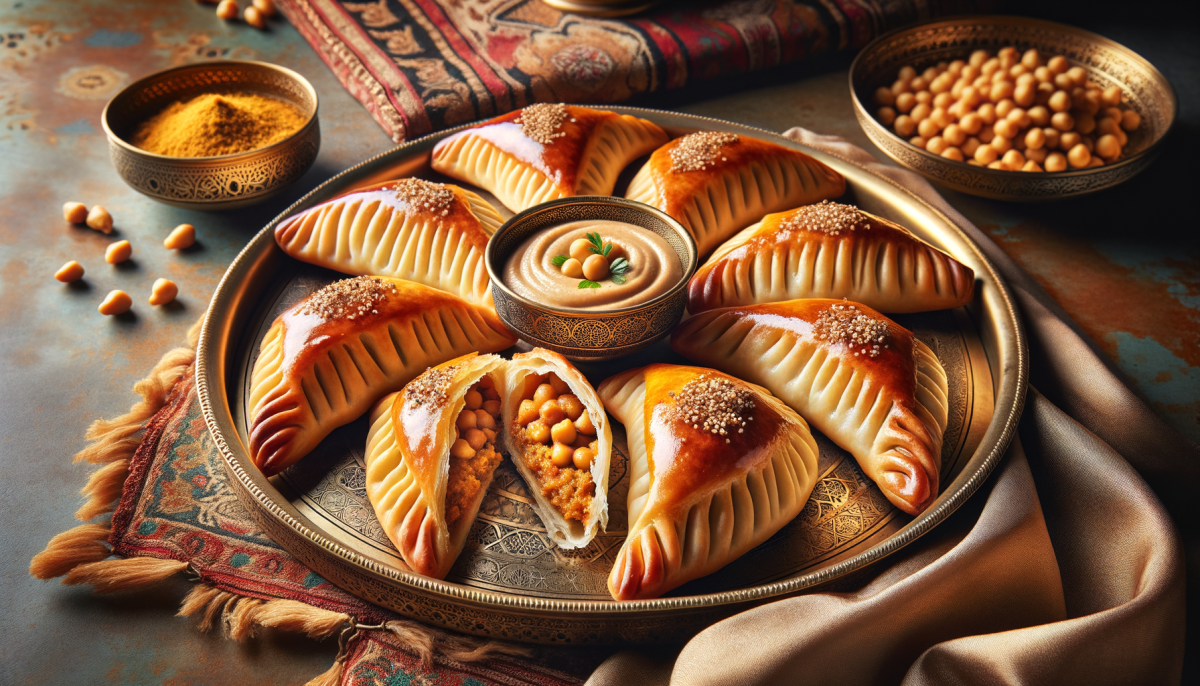
Sambusak are the golden, half-moon pastries that have graced the Shabbat tables of Iraqi and Syrian Jewish families for centuries. Imagine biting through a thin, shatteringly crisp shell — enriched with semolina for a sandy, delicate crunch — into a warm, fragrant filling of spiced chickpeas or seasoned lamb. These are not dumplings, not empanadas, not samosas, though they share ancient DNA with all of them. Sambusak are something entirely their own: the quintessential savory pastry of Babylonian Jewry.

In Iraqi Jewish homes, sambusak (sambusak, סמבוסק) were a labor of love, often made in large batches by mothers and grandmothers on Thursday or Friday morning, the kitchen fragrant with cumin and turmeric. The chickpea version — pareve and endlessly versatile — was the most common, served alongside Shabbat lunch, at kiddush, during holidays, and at every celebration from brit milah to Purim. The meat version, rich with spiced ground lamb or beef, appeared at more festive occasions.

What sets sambusak apart from similar pastries around the Middle East is the dough. Iraqi Jewish bakers developed a distinctive mixture of flour and fine semolina, bound with oil rather than butter, creating a crust that is simultaneously flaky, crisp, and tender — and always pareve. The traditional decorative crimping along the sealed edge is not merely beautiful; it ensures a tight seal that keeps the filling inside during baking and announces to everyone at the table that these were made by hand, with care.

Sambusak are one of the great unifying foods of Mizrachi Jewry. From Baghdad to Aleppo, from Calcutta to Tehran, variations appear under different names — sambousek, samsa, sanbusaj — but the spirit is the same: a humble pastry that transforms simple ingredients into something extraordinary through technique, spice, and generations of practice.

Categories
Recipes

Mufleta Recipe — Moroccan Mimouna Celebration Flatbread

Pareve
Dough is Pareve • Dairy when served with butter • Contains Gluten
Yield
12–15 mufletas
Difficulty
Intermediate
Active Time
45 minutes
Total Time
2 hours
Bracha
Mezonot

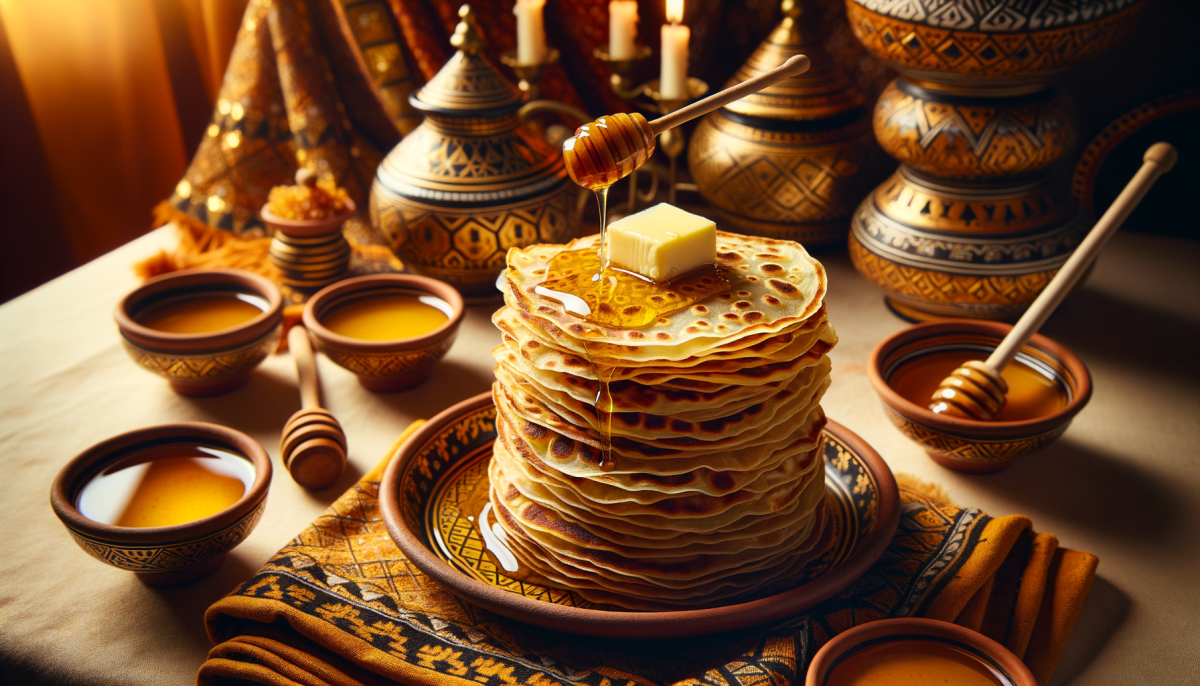
Mufleta is the first bread after Pesach — and it tastes like freedom all over again. For seven (or eight) days, Moroccan Jews have lived without chametz. No flour, no yeast, no risen dough. And then, the moment Pesach ends — sometimes literally minutes after havdalah — the flour comes out, the griddle heats up, and the kitchen fills with the scent of something extraordinary: paper-thin rounds of dough, stretched by hand until nearly translucent, sizzling on a hot surface, stacking up in a warm, glistening tower drizzled with honey and melted butter.

This is mufleta (mufleta, מופלטה), the iconic bread of Mimouna — the jubilant Moroccan Jewish celebration that marks the end of Pesach and the joyful return to chametz. It is not merely a recipe. It is a ritual, a homecoming, a communal act of sweetness and abundance. In Moroccan Jewish homes from Casablanca to Fez to Marrakech, and today across Israel and the diaspora, mufleta is the bread that announces: the holiday is over, and the good life continues.

The dough itself could not be simpler — flour, water, salt, a pinch of sugar, and oil. No yeast, no eggs, no dairy. But the technique is everything. Each ball of dough is oiled generously, rested until supple, then stretched by hand on an oiled surface until it becomes a gossamer-thin disc — so thin you can read a newspaper through it. Cooked on a blazing-hot griddle for just seconds per side, the mufletas are stacked one atop another, the residual heat steaming them into pliable, silky sheets. Drizzled with warm honey and a generous pat of butter, rolled or folded, eaten with the fingers — this is Mimouna.

Mufleta is traditionally prepared and served on the evening immediately after Pesach ends (Motzei Pesach). The timing is deliberate and deeply meaningful: this is the very first chametz touching your lips after a week of abstention. The sweetness of the honey, the richness of the butter, the tender warmth of fresh-cooked dough — it is a sensory celebration of abundance, gratitude, and renewal.

Categories
Recipes

Lahmajoun Recipe — Crispy Middle Eastern Meat Flatbread

Meat
Contains Ground Lamb/Beef • No Dairy • Contains Gluten
Yield
12 flatbreads
Difficulty
Intermediate
Active Time
45 minutes
Total Time
2–2.5 hours
Bracha
HaMotzi (as meal)

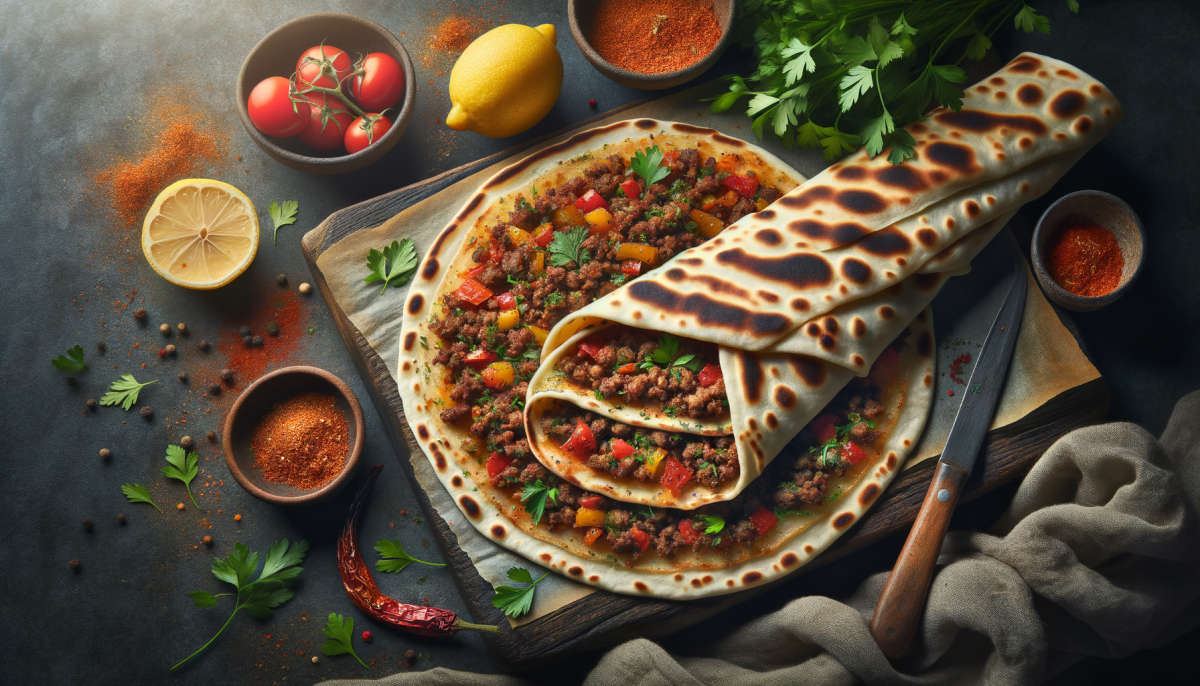
Lahmajoun is the paper-thin, crispy flatbread that proves the best pizza is the one you roll up and eat with your hands. Picture a round of dough stretched impossibly thin — almost translucent — spread with a vivid, spiced layer of ground lamb and tomato, then blasted in a scorching oven until the edges crackle and the meat sizzles. You pull it from the heat, squeeze a wedge of lemon across the surface, scatter fresh parsley and a few leaves of mint, roll the whole thing into a tight cylinder, and bite. The crunch gives way to spiced, tangy warmth. This is lahmajoun.

Known affectionately as “Jewish pizza” or “Armenian pizza,” lahmajoun (lahm bi ajeen, لحم بعجين — literally “meat with dough”) has been a cornerstone of Sephardi and Mizrachi cooking for centuries. From the bustling markets of Aleppo to the Jewish quarters of Istanbul, from the kitchens of Baghdad to modern-day Jerusalem, this flatbread has traveled with Jewish communities across the Ottoman world and beyond, adapting to local spices and traditions while keeping its essential character intact.

What sets lahmajoun apart from other flatbreads is its remarkable restraint. The dough is a vehicle — thin, crisp, and yielding — while the topping does the talking. A vibrant paste of finely ground meat, tomato, onion, and peppers, seasoned with cumin, paprika, and the gentle warmth of Aleppo pepper, spread so thinly that the dough beneath crisps in the oven’s fierce heat. There is no cheese, no heavy sauce, no excess. Just meat, dough, fire, and lemon.

Lahmajoun is always rolled, never sliced. Squeeze fresh lemon juice over the surface, add a handful of flat-leaf parsley and fresh mint, then roll it into a cylinder and eat it out of hand. Some add pickled turnips, sliced radishes, or a drizzle of tahini. This is street food at its most elegant.

Categories
Recipes

Cinnamon Babka Recipe — Swirled, Streusel-Topped, Irresistible

Dairy
Contains Butter • Egg • Milk • Contains Gluten
Yield
2 loaves (16–20 slices)
Difficulty
Intermediate–Advanced
Active Time
45 minutes
Total Time
5–6 hours (or overnight)
Bracha
HaMotzi or Mezonot*

*See Brachot section below — depends on quantity eaten and meal context.

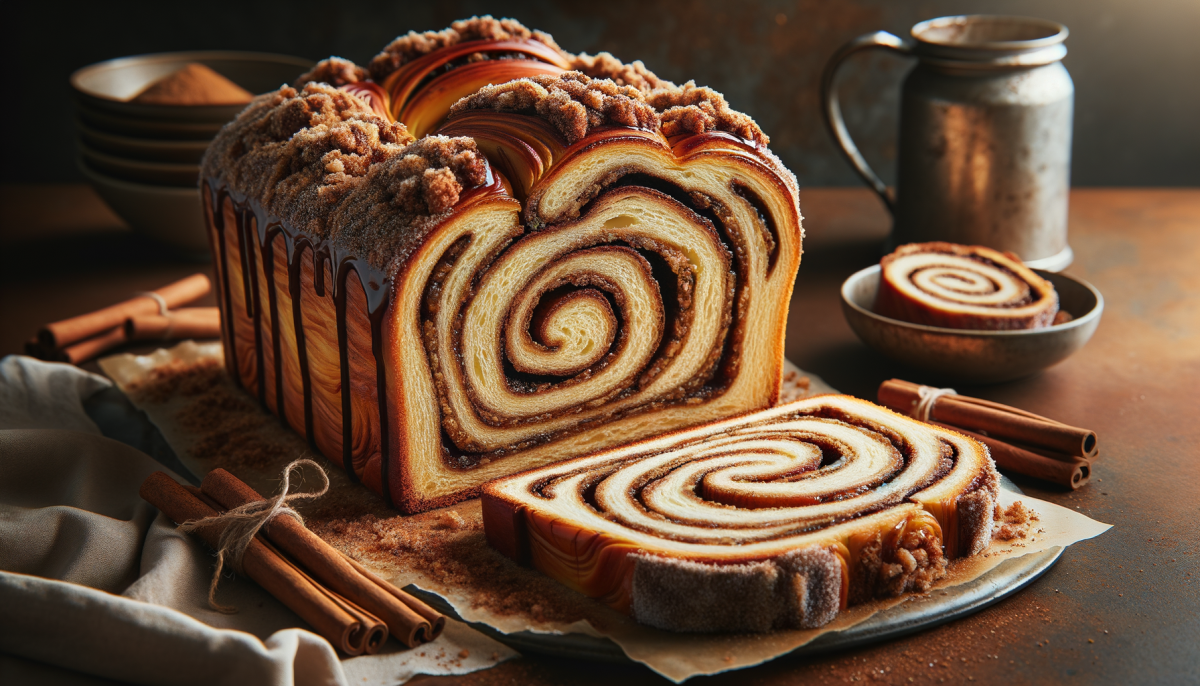
Cinnamon babka is the other babka — and for many, it is the better babka. While chocolate babka commands the spotlight in bakery windows from Brooklyn to Bnei Brak, the cinnamon version is the quieter triumph: a bread that trades drama for depth, where ribbons of cinnamon-brown sugar wind through a butter-rich dough so tender it tears like silk. Every slice reveals a new landscape of swirled layers, each one glistening with caramelized sugar and warm spice.

The great cinnamon-versus-chocolate debate has raged in Jewish bakeries for decades. Jerry Seinfeld famously declared cinnamon a lesser babka, but legions of bakers and grandmothers disagree. Chocolate impresses on first bite; cinnamon rewards on the fifth, the tenth, the last crumb scraped from the pan. Its sweetness is more subtle, more layered — brown sugar that darkens and deepens in the oven, cinnamon that blooms with heat, butter that caramelizes at the edges. This is a babka that tastes like the memory of every great kitchen you have ever walked into.

What elevates this recipe from good to extraordinary are three finishing touches: a crunchy streusel topping that shatters against the soft crumb, a simple syrup soak brushed on while the loaves are still hot (sealing in moisture and adding a delicate sheen), and an overnight cold rise that develops flavor no short-cut method can replicate. The result is a babka that stays moist for days — not that it will last that long.

If you have baked our Chocolate Babka, you already know this dough. The two share the same rich, brioche-like foundation — it is the filling that transforms each into something entirely different. Master one, and the other is yours.

Categories
Recipes

Pretzel Challah Recipe — Dark, Salty, Braided Perfection

Dairy
Butter Wash (Pareve Option Below) • Egg • Contains Gluten
Yield
1 large loaf (8–10 servings)
Difficulty
Intermediate
Active Time
45 minutes
Total Time
3½–4 hours
Bracha
HaMotzi

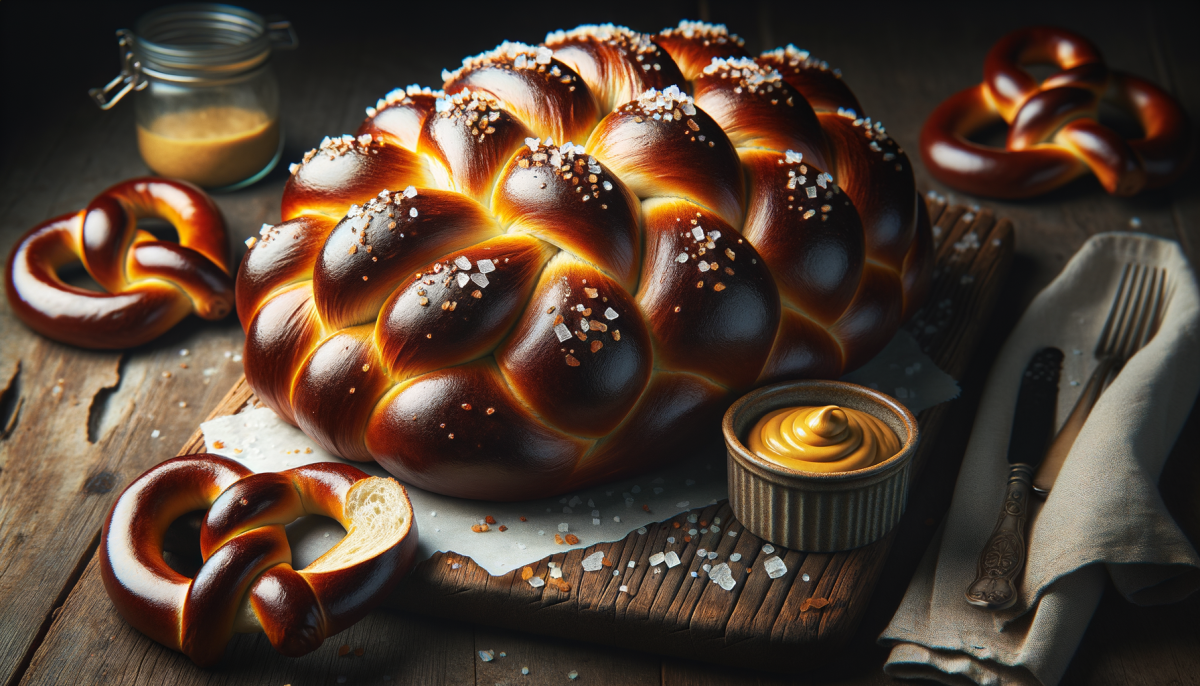
Pretzel challah is the bread that happens when two beloved traditions collide — and the result is better than either one alone. Take the soft, pillowy, egg-enriched dough of a classic challah. Braid it into that iconic six-strand pattern. Then, just before baking, dip the entire loaf into a baking soda bath that transforms its surface into something extraordinary: a dark, mahogany-brown pretzel crust with that unmistakable alkaline tang, sprinkled with flakes of coarse salt that crunch against the tender crumb beneath.

The magic is in the contrast. Outside, you get the deep color and slight chewiness of a Bavarian soft pretzel — that rich, almost caramel-like crust that no amount of egg wash alone can produce. Inside, the bread remains pure challah: soft, slightly sweet, golden from eggs and oil, pulling apart in long, tender strands. Every bite delivers both textures at once, and it is genuinely difficult to stop eating.

Pretzel challah has swept through Jewish bakeries across America in the last decade, and for good reason. It respects the halachic and spiritual role of challah — this is still lechem mishneh, still HaMotzi bread, still the anchor of the Shabbat table — while adding a playful, modern twist that delights everyone from the youngest child reaching for a salt crystal to the most seasoned baker admiring that burnished crust.

If you have already mastered our Classic Kosher Challah, pretzel challah is the next natural step. The dough is nearly identical — the transformation happens entirely in the baking soda bath and that final shower of coarse salt.