Category: Recipes

We dig deep in the Internet Archives to find all Kosher related Recipes we can. Before we give them a precise purpose, the Internet Archeology Kosher Recipes are categorized in here.
Bear Stewart Baking Ingredients

How we find Kosher Recipes using Internet Archeology

Using Archive.Org’s WaybackMachine tool, we ressucitate Sitemaps. Those sitemaps are crawled by our Artificial Intelligence Content bot and published on our Kosher Bread Pro blog.

Don’t ask us how we get a Business Model for this… So far, we don’t 😉

  • Fig & Honey Bread

    Fig & Honey Bread

    Pareve
    Dairy-Free • Contains Eggs • Contains Gluten
    Yield1 large boule
    DifficultyIntermediate
    Active Time25 minutes
    Total Time4 hours
    BrachaHaMotzi

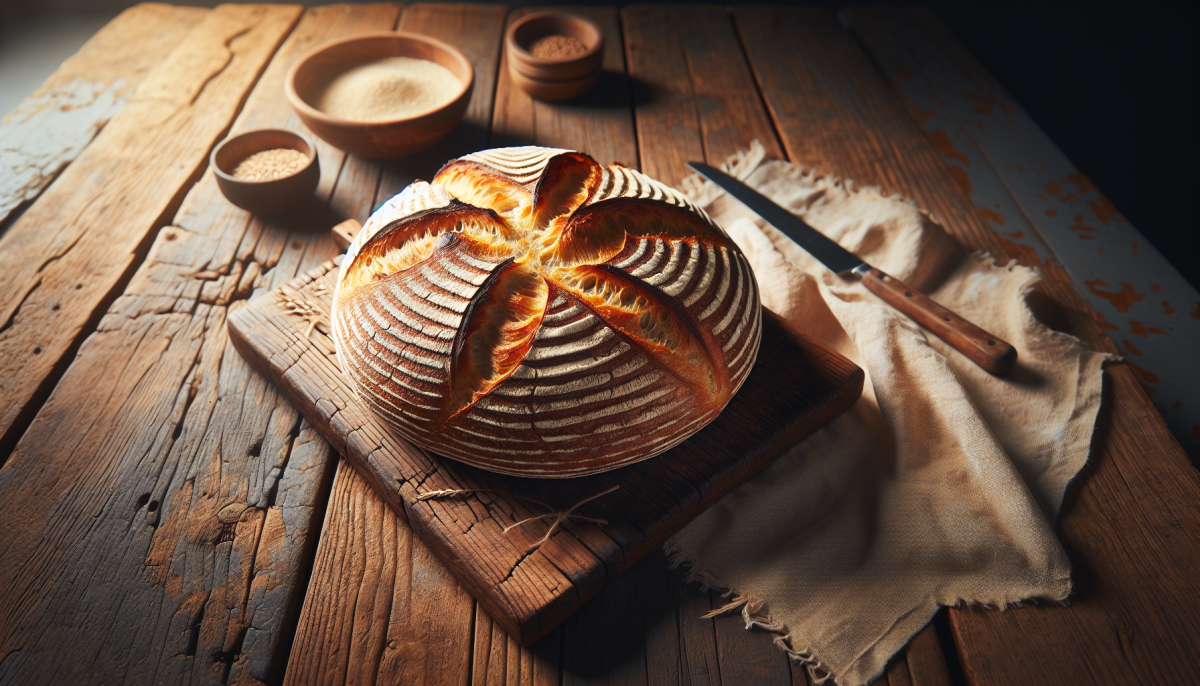
    Fig and honey bread weaves together two of the Torah’s Seven Species into a single magnificent loaf. Figs and wheat, honey and grain — the bounty of the Land of Israel captured in a rustic artisan boule studded with tender dried figs and perfumed with wildflower honey.

    In the Song of Songs, the fig tree signals the arrival of spring: “The fig tree has ripened its figs, and the vines in blossom have given forth their fragrance.” This bread carries that poetic spirit — it is bread as celebration, bread that connects the baker to the land and its ancient harvests.

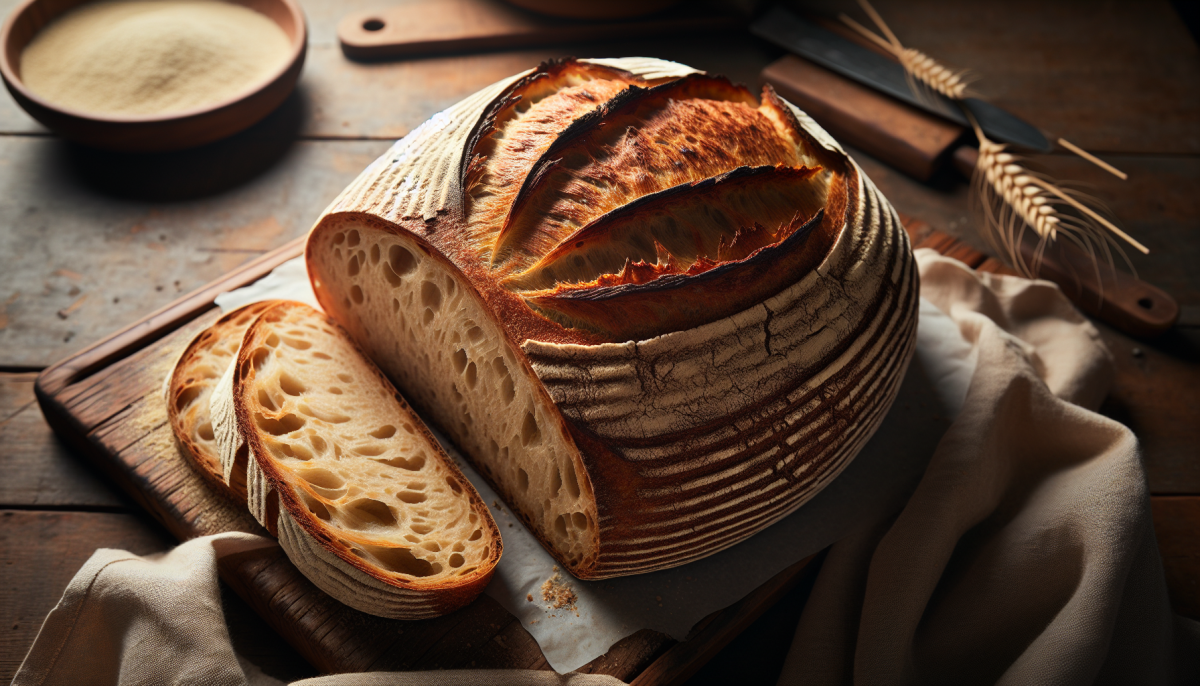
    The combination of chewy figs, crunchy walnuts, and honey-sweetened crumb creates a bread of extraordinary complexity. Each slice reveals a mosaic of purple-black fig pieces against golden crumb, with walnuts adding earthy crunch. It is stunning on a cheese board, transcendent when toasted with butter, and deeply satisfying on its own.
    (more…)

  • Semolina Bread (Sephardic Sesame Loaf)

    Semolina Bread (Sephardic Sesame Loaf)

    Pareve
    Dairy-Free • Contains Gluten • No Eggs
    Yield1 large round loaf
    DifficultyBeginner
    Active Time20 minutes
    Total Time3½ hours
    BrachaHaMotzi

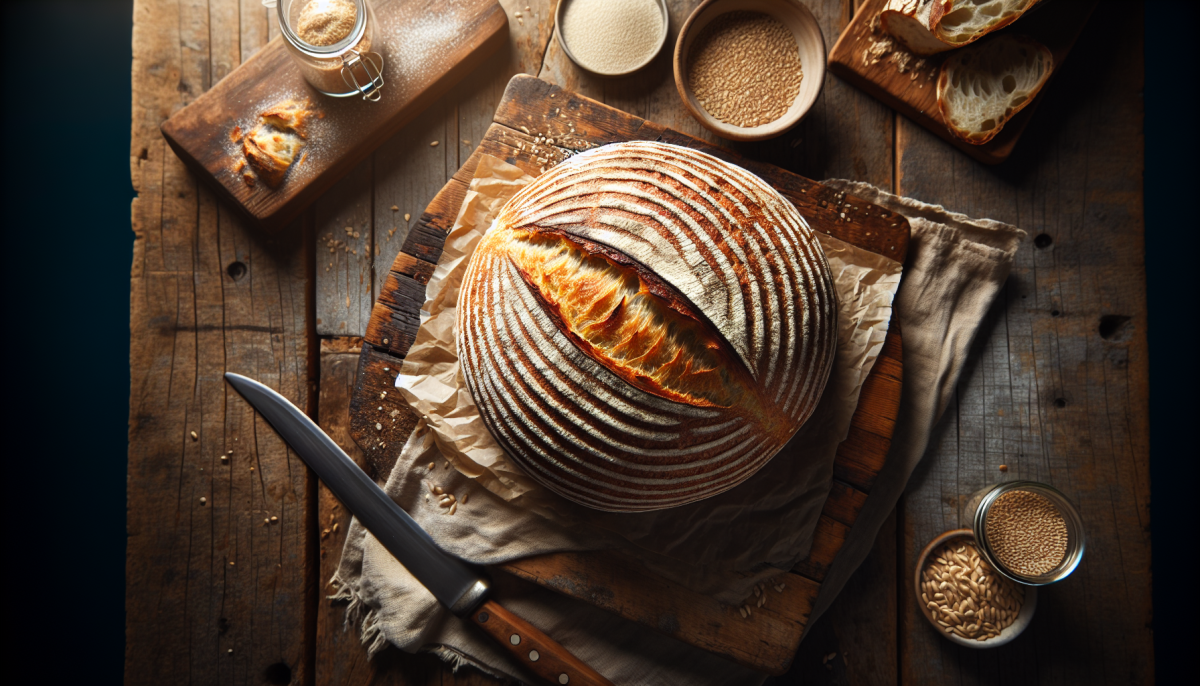
    Semolina bread is the golden, sesame-crusted loaf of the Sephardic Mediterranean. From the bakeries of North Africa to the tables of Italian Jews, this sun-colored bread has been a staple for centuries. Made with a blend of durum semolina and bread flour, it has a distinctly honeyed color, a slightly chewy crumb, and a nutty, wheaty flavor that pairs beautifully with olive oil and dips.

    Semolina — the coarsely ground endosperm of durum wheat — gives this bread its signature character. The high protein and golden pigments of durum wheat create a loaf that looks and tastes different from any white bread. It is heartier without being heavy, rustic without being dense.

    In Jewish communities across Tunisia, Libya, and Sicily, semolina bread was baked weekly in communal ovens. It was the everyday bread, the bread of the people, and it remains one of the simplest and most satisfying loaves you can bake at home.

    (more…)

  • Challah Breadsticks

    Challah Breadsticks

    Pareve
    Dairy-Free • Contains Eggs • Contains Gluten
    Yield24 breadsticks
    DifficultyBeginner
    Active Time25 minutes
    Total Time2½ hours
    BrachaHaMotzi

    Challah breadsticks transform the Shabbat bread you love into crispy, golden sticks perfect for dipping. Using the same enriched challah dough, rolled thin and baked until crackling crisp on the outside yet tender within, these breadsticks are the appetizer that every Shabbat dinner is missing.

    Think of them as challah reimagined — all the honeyed, eggy richness of traditional challah compressed into elegant sticks rolled in sesame seeds, za’atar, or everything bagel seasoning. They are the bridge between bread basket and first course, equally at home with hummus, matbucha, or a bowl of chicken soup.

    The best part? They come together faster than braided challah. No braiding, no shaping anxiety, no worrying about symmetry. Just roll, twist, and bake.

    (more…)

  • Rogaliki (Russian Jewish Crescent Cookies)

    Rogaliki (Russian Jewish Crescent Cookies)

    Dairy
    Contains Dairy • Contains Eggs • Contains Gluten
    Yield48 cookies
    DifficultyIntermediate
    Active Time50 minutes
    Total Time3 hours
    BrachaMezonot

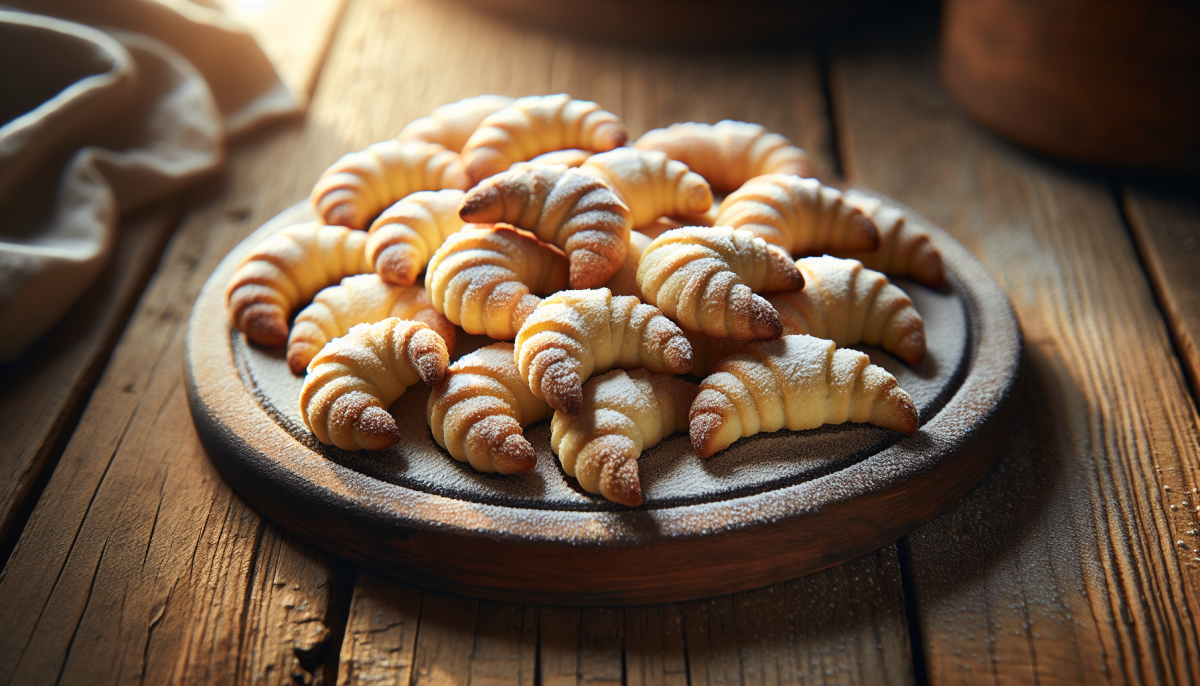
    Rogaliki are the crescent-shaped cookies that Russian and Polish Jewish grandmothers shaped by the dozens. Each tiny crescent — no bigger than your thumb — wraps a tender cream cheese dough around a sweet filling of jam, walnuts, or poppy seeds. They are the kind of cookie that disappears from the plate before you realize you have eaten six.

    The name comes from the Slavic word for “little horns,” describing their curved crescent shape. In Jewish communities from Moscow to Minsk, from Odessa to Warsaw, rogaliki appeared at every simcha, every kiddush, every tea-time gathering. They are cousins of rugelach, sharing the same cream cheese dough tradition, but shaped differently and often filled with fruit preserves.

    The magic of rogaliki is in the cream cheese dough. It bakes into something impossibly flaky — almost like a miniature croissant — while remaining tender and rich. The contrast between the crispy, golden exterior and the sweet, jammy interior is what keeps you reaching for one more.

    (more…)

  • Berches (German-Jewish Shabbat Bread)

    Berches (German-Jewish Shabbat Bread)

    Pareve
    Dairy-Free • Contains Eggs • Contains Gluten
    Yield2 loaves
    DifficultyIntermediate
    Active Time35 minutes
    Total Time4 hours
    BrachaHaMotzi

    Berches is the German-Jewish Shabbat bread that predates the challah we know today. Before Eastern European Jews popularized the egg-rich, honey-sweet challah, German Jews were baking berches — a simpler, more bread-like loaf with a golden crust and a slightly chewy crumb enriched with potato water.

    The name berches likely derives from the blessing (birkat) recited over bread, connecting this loaf directly to its sacred purpose. In German-Jewish communities from Frankfurt to Hamburg, berches was braided with three or four strands and served with quiet reverence at the Shabbat table.

    What distinguishes berches from standard challah is the use of potato water — the starchy liquid left from boiling potatoes. This old baker’s trick adds moisture, extends shelf life, and creates a tender crumb with a subtle earthiness. It is a humbler bread than its Eastern European cousin, but no less worthy of the Shabbat table.

    (more…)

  • Kugelhopf (Alsatian Jewish Bundt Bread)

    Kugelhopf (Alsatian Jewish Bundt Bread)

    Dairy
    Contains Dairy • Contains Eggs • Contains Gluten • Contains Almonds
    Yield1 large bundt
    DifficultyAdvanced
    Active Time35 minutes
    Total Time5 hours
    BrachaHaMotzi

    Kugelhopf is the magnificent crown-shaped bread that Alsatian Jews brought to the world. This towering, golden cake-bread — studded with rum-soaked raisins and almonds — was the pride of Jewish bakeries from Strasbourg to Colmar. Its distinctive swirled bundt shape, dusted with powdered sugar like Alpine snow, graced every celebration table and Sunday breakfast.

    The Alsatian Jewish community, straddling French and German cultures, created a baking tradition that drew from both worlds. Kugelhopf reflects that dual heritage — French elegance in its form, German richness in its buttery, brioche-like crumb. Legend attributes the recipe to the Three Wise Men, but Alsatian Jews perfected it.

    This is a bread that demands patience. The enriched dough requires long kneading, careful fermentation, and an overnight cold rest that develops flavor and makes the delicate crumb possible. The reward is a bread so tender, so perfumed with butter and vanilla, that it feels like a celebration in every slice.

    (more…)

  • Sourdough Pita

    Sourdough Pita

    Pareve
    Dairy-Free • Contains Gluten • No Eggs
    Yield12 pitas
    DifficultyIntermediate
    Active Time40 minutes
    Total Time8 hours
    BrachaHaMotzi

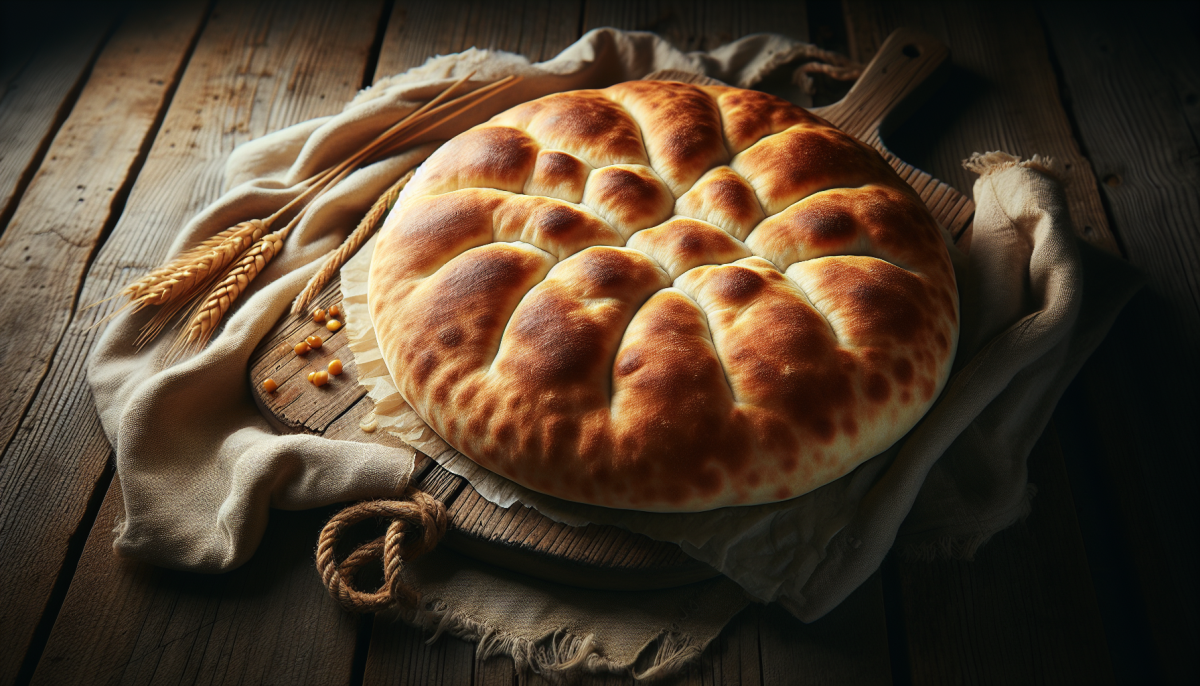
    Sourdough pita takes the most ancient of flatbreads and elevates it with the magic of wild fermentation. The tangy complexity of a mature sourdough starter transforms humble pita into something extraordinary — bread with character, with depth, with the kind of flavor that commercial yeast simply cannot replicate.

    Pita is arguably the oldest bread in the Jewish culinary tradition. Long before challah was braided, before bagels were boiled, flatbread was torn and shared at tables across the ancient Near East. By using a sourdough levain, you are baking with the same living culture that leavened bread in biblical times.

    These pitas puff dramatically in a hot oven, creating the signature pocket that makes pita the world’s most perfect edible utensil. Fill them with falafel, shawarma, or sabich. Tear them into pieces for hummus. Or eat them warm from the oven with nothing but a drizzle of olive oil and a sprinkle of za’atar.

    (more…)

  • Date & Walnut Bread

    Date & Walnut Bread

    Pareve
    Dairy-Free • Contains Eggs • Contains Gluten • Contains Walnuts
    Yield1 large loaf
    DifficultyBeginner
    Active Time20 minutes
    Total Time3 hours
    BrachaHaMotzi

    Date and walnut bread is a celebration of the Seven Species in every slice. Dates and wheat — two of the seven crops blessed in the Torah — come together in this deeply flavored, naturally sweet loaf studded with toasted walnuts. It is the bread of the Land of Israel, ancient and nourishing.

    In Sephardic and Mizrachi communities, dates are woven into the fabric of Jewish life. Date honey (silan) sweetens Rosh Hashanah tables, dates break the Yom Kippur fast, and date-filled pastries mark celebrations throughout the year. This bread brings that heritage to the oven in a form that is rustic, satisfying, and deeply comforting.

    Unlike quick breads, this is a proper yeasted loaf with a chewy crust and a moist interior punctuated by pockets of melted date and crunchy walnut. Slice it thick, toast it lightly, and let it transport you to a Judean hillside at harvest time.

    (more…)

  • Olive Oil Challah

    Olive Oil Challah

    Pareve
    Dairy-Free • Contains Eggs • Contains Gluten
    Yield2 loaves
    DifficultyBeginner
    Active Time30 minutes
    Total Time3½ hours
    BrachaHaMotzi

    Olive oil challah is the bread that Italian Jews have been baking for centuries. While Ashkenazi challah relies on neutral oil or schmaltz, the Jewish communities of Rome, Livorno, and Venice have always reached for the olive press. The result is a challah with a golden, almost amber hue, a delicate fruity fragrance, and a crumb so tender it practically dissolves on the tongue.

    This is a simpler, more rustic challah than its heavily enriched cousins. With fewer eggs and the olive oil taking center stage, the flavor is cleaner, more Mediterranean — bread that tastes of sun-warmed hillsides and ancient groves. It is the challah you want with a bowl of good soup, torn into pieces and shared around a table.

    The Italian-Jewish tradition of olive oil challah reminds us that Jewish bread is as diverse as the Jewish people. From the olive groves of Puglia to the Shabbat tables of the Roman Ghetto, this bread has its own beautiful story to tell.

    Use the best extra-virgin olive oil you can find. The bread’s flavor depends on it.

    (more…)

  • Za’atar Challah

    Za’atar Challah

    Pareve
    Dairy-Free • Contains Eggs • Contains Gluten
    Yield2 loaves
    DifficultyIntermediate
    Active Time40 minutes
    Total Time4 hours
    BrachaHaMotzi

    Za’atar challah is where Ashkenazi tradition meets the bold flavors of the Levant. Imagine your classic golden challah, but with a verdant crust of wild thyme, sumac, and sesame — the ancient herb blend that has seasoned bread in the Land of Israel for millennia. Every bite delivers the familiar honeyed softness of challah followed by the earthy, tangy punch of za’atar.

    This is not fusion for fusion’s sake. Za’atar and bread have been inseparable since the Torah’s seven species were first harvested from Judean hillsides. By braiding za’atar into challah, you are reconnecting two of the oldest threads in Jewish culinary history.

    The technique is straightforward: a classic enriched challah dough, divided, filled with za’atar paste between the strands, and braided so the herbs peek through the golden crust. The result is a showstopping loaf that perfumes the kitchen with wild thyme and toasted sesame.

    This challah pairs beautifully with hummus, labneh, or simply torn and dipped in good olive oil. It bridges Shabbat dinner and Shabbat morning effortlessly.

    (more…)