Category: Recipes

We dig deep in the Internet Archives to find all Kosher related Recipes we can. Before we give them a precise purpose, the Internet Archeology Kosher Recipes are categorized in here.
Bear Stewart Baking Ingredients

How we find Kosher Recipes using Internet Archeology

Using Archive.Org’s WaybackMachine tool, we ressucitate Sitemaps. Those sitemaps are crawled by our Artificial Intelligence Content bot and published on our Kosher Bread Pro blog.

Don’t ask us how we get a Business Model for this… So far, we don’t 😉

  • Taboon Bread

    Taboon Bread

    Pareve

    Yield
    4 flatbreads
    Difficulty
    Intermediate
    Active Time
    30 minutes
    Total Time
    2½–3 hours
    Bracha
    HaMotzi

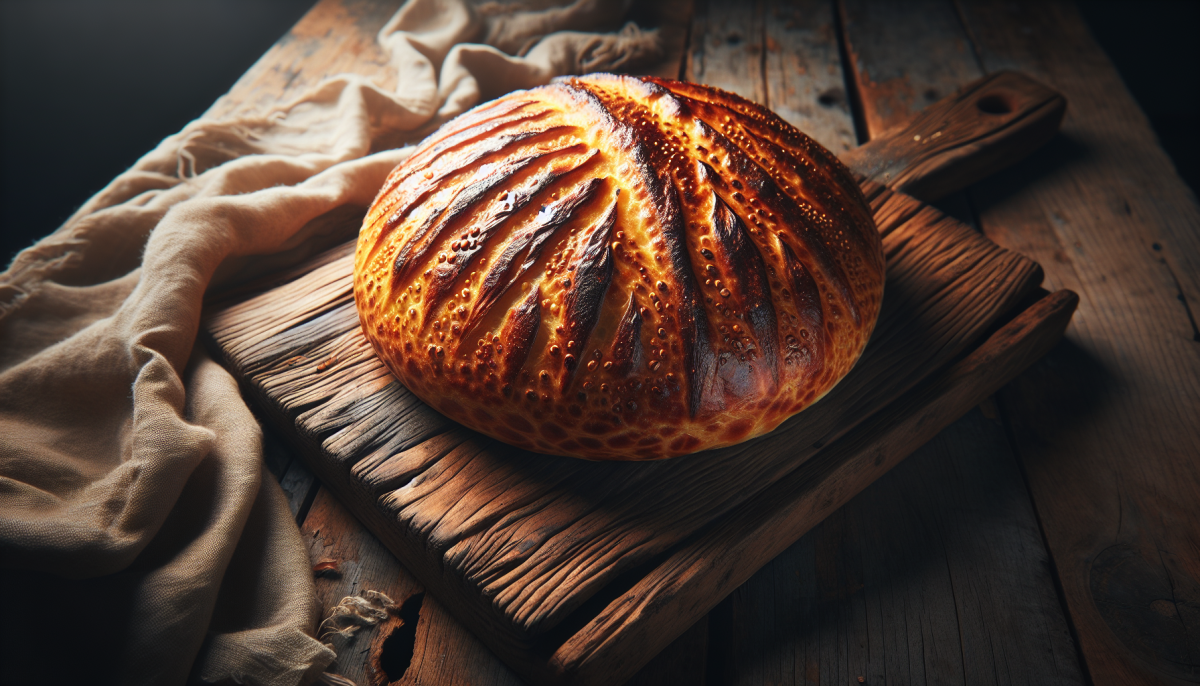
    Taboon bread takes its name from the clay oven (taboon) in which it was traditionally baked — a dome-shaped vessel heated with coals, its floor covered with smooth stones that press dimples into the dough as it bakes. The result is a flatbread unlike any other: thick, dimpled, slightly charred, with an earthy, smoky flavor that no conventional oven can fully replicate (though we get close).

    In Israel, taboon bread is the bread of musakhan (roasted chicken and sumac on bread), the bread of shakshuka scooping, the bread sold warm from bakeries in Jaffa and Akko. For Palestinian and Israeli Jewish cooks alike, it is a bread of the land itself — simple flour, water, salt, and yeast transformed by fire and stone into something primordial and deeply satisfying.

    This home recipe uses a hot baking stone and a technique of pressing the dough onto heated pebbles (or simply dimpling with your fingers) to approximate the taboon effect. The bread is thick, chewy, and perfect for wrapping around grilled meats or tearing alongside dips and salads.
    (more…)

  • Cheese Manoushe

    Cheese Manoushe

    Dairy

    Yield
    6 flatbreads
    Difficulty
    Beginner–Intermediate
    Active Time
    30 minutes
    Total Time
    2½–3 hours
    Bracha
    HaMotzi

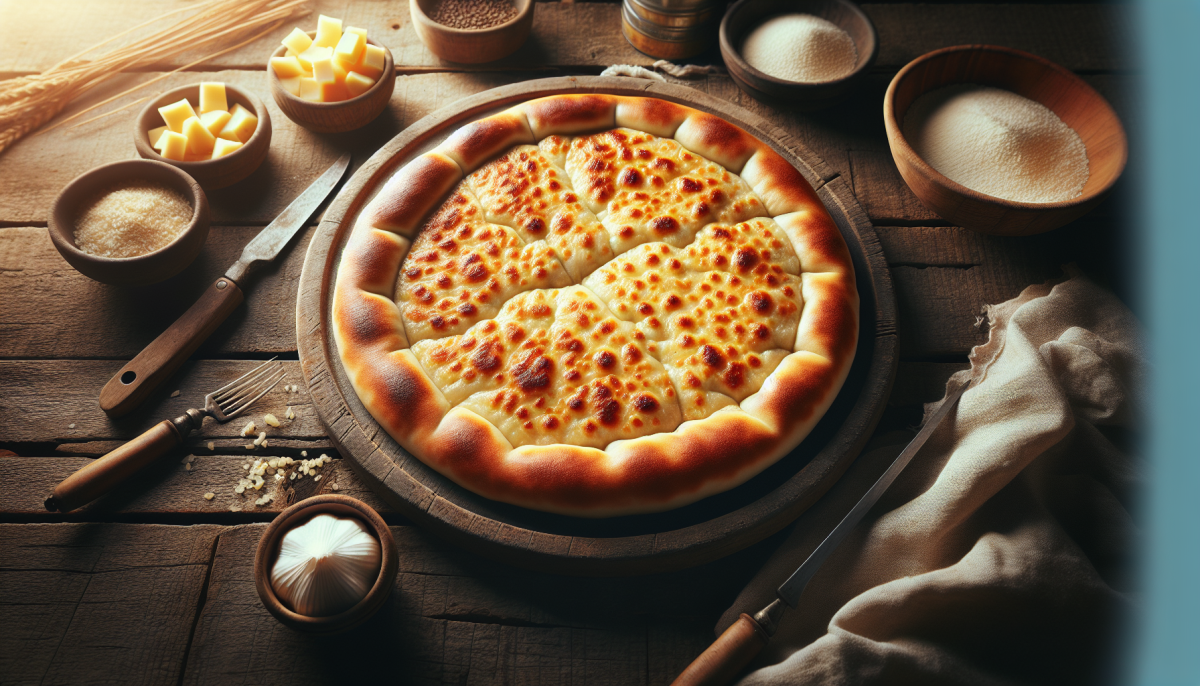
    If za’atar manoushe is the weekday standard, cheese manoushe is the weekend luxury. The same soft, puffy dough gets topped with a generous blanket of mixed cheeses — akkawi, mozzarella, and halloumi or a kosher equivalent — that melts into a bubbling, golden carpet as the flatbread bakes in a scorching oven. The edges char slightly, the cheese stretches in long threads, and the first bite is pure indulgence.

    For Lebanese and Syrian Jews, cheese manoushe was the Shabbat morning bread, eaten while the cheese was still molten, folded in half like a taco, with sliced tomatoes and cucumbers on the side and sweet mint tea to drink. The combination of tangy cheese, chewy dough, and fresh vegetables is one of the Levant’s greatest culinary achievements.

    The dough is deliberately simple so the cheese can shine. Mix it, let it rise, stretch it thin, pile on the cheese, and bake as hot as your oven will go. The entire process takes about two hours from start to mouth, and every minute is worth it.

    (more…)

  • Yemenite Fatoot

    Yemenite Fatoot

    Pareve

    Yield
    4 servings
    Difficulty
    Beginner
    Active Time
    20 minutes
    Total Time
    30–40 minutes
    Bracha
    Mezonot

    Fatoot is the Yemenite Jewish answer to the question every baker faces: what do you do with leftover bread? The answer, in this case, is tear it into rough pieces, fry them in hot oil until shatteringly crispy, and serve them drizzled with honey for sweetness or spiked with zhug for heat. It is frugal cooking elevated to an art form.

    In Yemenite Jewish households, fatoot was made from leftover lahoh, malawach, or any flatbread past its prime. The frying transforms stale bread into something crackling and irresistible. Children would gather in the kitchen waiting for pieces straight from the pan, too hot to hold but too good to wait.

    This recipe uses a simple quick dough, but you can also make fatoot with leftover challah, pita, or any bread you have on hand. It is breakfast, snack, and comfort food all in one — proof that the simplest dishes, born from necessity, often become the most beloved.

    (more…)

  • Fatayer (Spinach Pies)

    Fatayer (Spinach Pies)

    Pareve

    Yield
    20 pastries
    Difficulty
    Intermediate
    Active Time
    1 hour
    Total Time
    3–4 hours
    Bracha
    Mezonot

    Fatayer are the elegant triangular pastries of Levantine cuisine — soft bread dough pinched into a three-cornered hat and filled with seasoned spinach, onions, lemon juice, and toasted pine nuts. For Syrian, Lebanese, and Iraqi Jews, fatayer were the celebration food: present at every brit milah, every engagement party, every Shabbat kiddush where the community gathered.

    The triangle shape is achieved by folding three sides of a round dough up over the filling and pinching them together at the center, leaving a small opening that reveals the green filling inside. The dough is soft and bread-like — not flaky like bourekas, but tender and slightly sweet, a perfect frame for the tangy, herbaceous filling.

    The spinach filling is bright with lemon and enriched with sautéed onions and toasted pine nuts. Some families add sumac for an extra layer of tanginess. These are best served warm but are also excellent at room temperature, making them ideal for kiddush platters and buffet tables.

    (more…)

  • Potato Bourekas

    Potato Bourekas

    Pareve

    Yield
    16 pastries
    Difficulty
    Intermediate
    Active Time
    1 hour
    Total Time
    2½–3 hours
    Bracha
    Mezonot

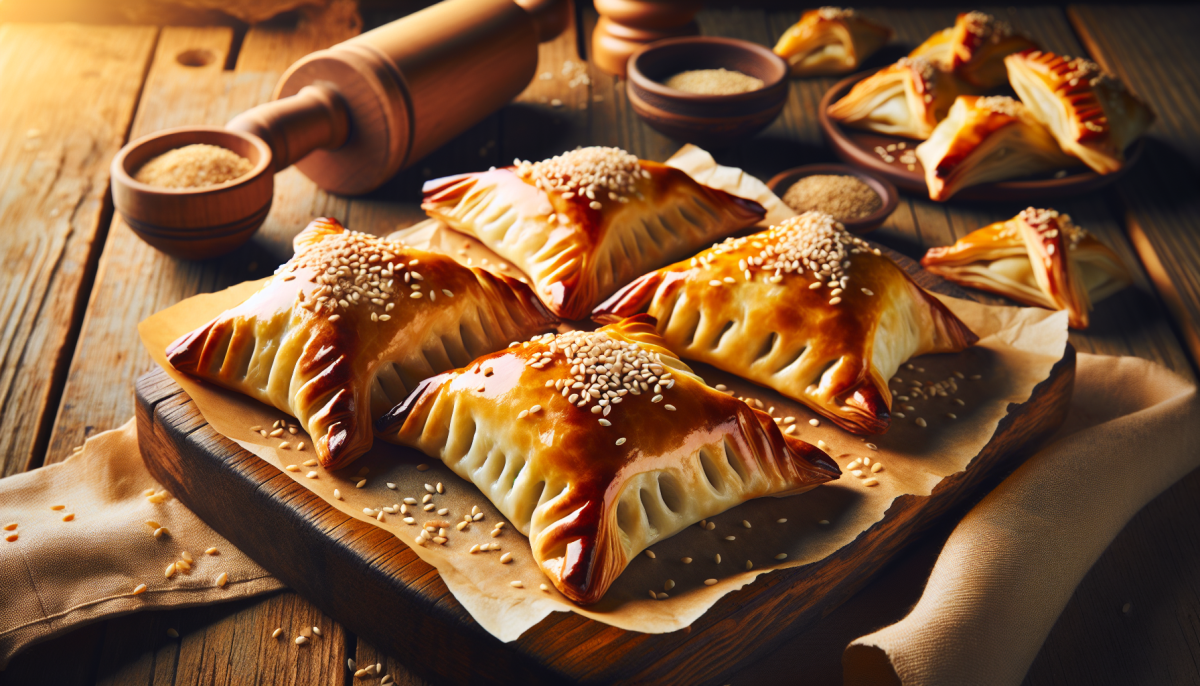
    Potato bourekas are the pareve pillar of Sephardi baking — flaky pastry wrapped around a creamy, seasoned potato filling, baked until golden and shatteringly crisp. While cheese bourekas signal dairy and triangle shapes, potato bourekas are traditionally made in a half-moon or rectangle shape and can be eaten at any meal, making them perhaps the most versatile pastry in the Sephardi repertoire.

    The filling is simple but must be done right: potatoes boiled until tender, mashed smooth, seasoned with salt, pepper, and a touch of nutmeg. Some traditions add sautéed onions; others keep it pure. The pastry can be homemade puff pastry, a simple oil-based dough, or store-bought puff pastry — we use a buttery-style pareve dough that bakes into layers without any dairy.

    In Israel, potato bourekas are everywhere — bakeries, gas stations, bus stations, office kitchens. But homemade bourekas are in a different league entirely. The pastry is more delicate, the filling is seasoned with care, and the pride of serving your own bourekas at Shabbat kiddush is worth every minute of preparation.

    (more…)

  • Moroccan Khobz

    Moroccan Khobz

    Pareve

    Yield
    2 round loaves
    Difficulty
    Beginner–Intermediate
    Active Time
    30 minutes
    Total Time
    3–4 hours
    Bracha
    HaMotzi

    Khobz is the daily bread of Morocco — round, flat, golden, and essential at every meal. For Moroccan Jews, no Shabbat table, no weekday dinner, no holiday celebration was complete without khobz. It is the bread you tear with your hands, the bread you use to scoop tagine, the bread that soaks up every last drop of sauce on the plate.

    What distinguishes Moroccan khobz from other round breads is the semolina flour blended into the dough. This gives the crust a golden, slightly gritty texture and the interior a tender, almost cake-like crumb. Anise seeds and sesame seeds are traditional additions that perfume the bread with warm, sweet-spicy notes unique to Moroccan baking.

    The shape is always the same: a round, slightly domed disc, scored with a fork or knife before baking. In Morocco, families would mark their dough with a distinctive pattern so the communal bakery (ferran) could return the correct loaves after baking. Today, the scoring is decorative, but the tradition endures.

    (more…)

  • Tunisian Fricassée

    Tunisian Fricassée

    Pareve

    Yield
    8 buns
    Difficulty
    Intermediate
    Active Time
    45 minutes
    Total Time
    3–4 hours
    Bracha
    HaMotzi

    Tunisian fricassée is not what the French word might suggest — it is a small, round bun of enriched dough, deep-fried until golden and puffy, then split and stuffed with a fiery, tangy filling of tuna, boiled egg, harissa, olives, capers, and preserved lemon. It is the street food of Tunis, and for Tunisian Jews, it was the snack of every market day, every celebration, every gathering where hunger and joy intersected.

    The bun itself is the star — light, airy, with a thin crispy shell that yields to a soft, almost brioche-like interior. The frying transforms simple dough into something extraordinary: golden, puffy, and ready to absorb the flavors of whatever you stuff inside.

    The traditional filling is pareve when made with canned tuna, making these perfect for any meal. The combination of spicy harissa, briny olives, and rich egg yolk creates a flavor explosion in every bite. Tunisian Jews brought these to Israel, France, and beyond, and they remain one of the great underappreciated dishes of the Jewish diaspora.

    (more…)

  • Yemenite Sabayah

    Yemenite Sabayah

    Pareve

    Yield
    4 flatbreads
    Difficulty
    Intermediate–Advanced
    Active Time
    1 hour
    Total Time
    2½–3 hours
    Bracha
    Mezonot

    Sabayah is the Yemenite Jewish baker’s meditation — a flatbread of impossibly thin layers, each one brushed with oil or samneh (clarified butter), folded and stretched and folded again until the dough becomes a stack of translucent sheets. When baked on a hot griddle or in the oven, those layers puff and separate, creating a bread that shatters at the touch and melts on the tongue.

    Less known than kubaneh or malawach, sabayah is perhaps the most technically impressive bread in the Yemenite repertoire. It requires patience, a light touch, and the confidence to stretch dough paper-thin without tearing it. The reward is extraordinary — a flatbread with the crunch of phyllo and the richness of puff pastry, achieved through nothing more than flour, water, oil, and skill.

    Serve sabayah warm from the pan, drizzled with honey for a sweet version or alongside zhug and hilbeh for a savory breakfast. Each layer peels away like a page from an ancient book, revealing the baker’s craft within.

    (more…)

  • Persian Barbari Bread

    Persian Barbari Bread

    Pareve

    Yield
    2 large flatbreads
    Difficulty
    Intermediate
    Active Time
    40 minutes
    Total Time
    3–4 hours
    Bracha
    HaMotzi

    Barbari is the king of Persian flatbreads — large, golden, ridged with deep scores, and glazed with a flour paste called roomal that gives it an extraordinary crispy, almost lacquered surface. For Iranian Jews, barbari was the bread of Friday morning, bought still warm from the sangak bakery and served with feta cheese, walnuts, fresh herbs, and sweet tea.

    The dough is simple and lean, but the roomal glaze is what sets barbari apart from every other flatbread. This thin paste of flour and water, sometimes with a touch of baking soda, is brushed onto the scored surface just before baking. In the oven’s heat, it creates a glossy, crackling crust that shatters when you tear into it, revealing a soft, chewy interior studded with air bubbles.

    Shape it long and oval, score it with your fingertips in parallel ridges, scatter nigella and sesame seeds into the grooves, and bake on a hot stone. The result is a flatbread of remarkable beauty — amber and gold, ridged like a field plowed in rows, and perfuming your kitchen with the scent of toasted wheat and sesame.

    (more…)

  • Iraqi Samoon

    Iraqi Samoon

    Pareve

    Yield
    6 samoon
    Difficulty
    Intermediate
    Active Time
    45 minutes
    Total Time
    3–4 hours
    Bracha
    HaMotzi

    Samoon is the bread of Baghdad — diamond-shaped, with a crispy shell and a soft, airy interior that tears into long, stretchy strands. For Iraqi Jews, samoon was the daily bread, bought fresh each morning from the neighborhood baker (the khabbaz) and eaten with everything from hard-boiled eggs and amba to grilled kebabs and fresh vegetables.

    The shape is distinctive and intentional: a pointed diamond or torpedo, scored down the center, that puffs dramatically in a hot oven. The dough is leaner than challah — just flour, water, yeast, salt, and a touch of sugar — which lets the wheat flavor shine. The high-heat baking creates steam pockets inside and a crackling crust outside.

    In Israel, samoon has found a new home in the kitchens of the Iraqi Jewish community, where it remains essential for Shabbat breakfasts alongside t’beet (overnight chicken and rice) and hilbeh (fenugreek paste). This recipe brings that tradition to your oven.

    (more…)