Dairy
6 flatbreads
Beginner–Intermediate
30 minutes
2½–3 hours
HaMotzi
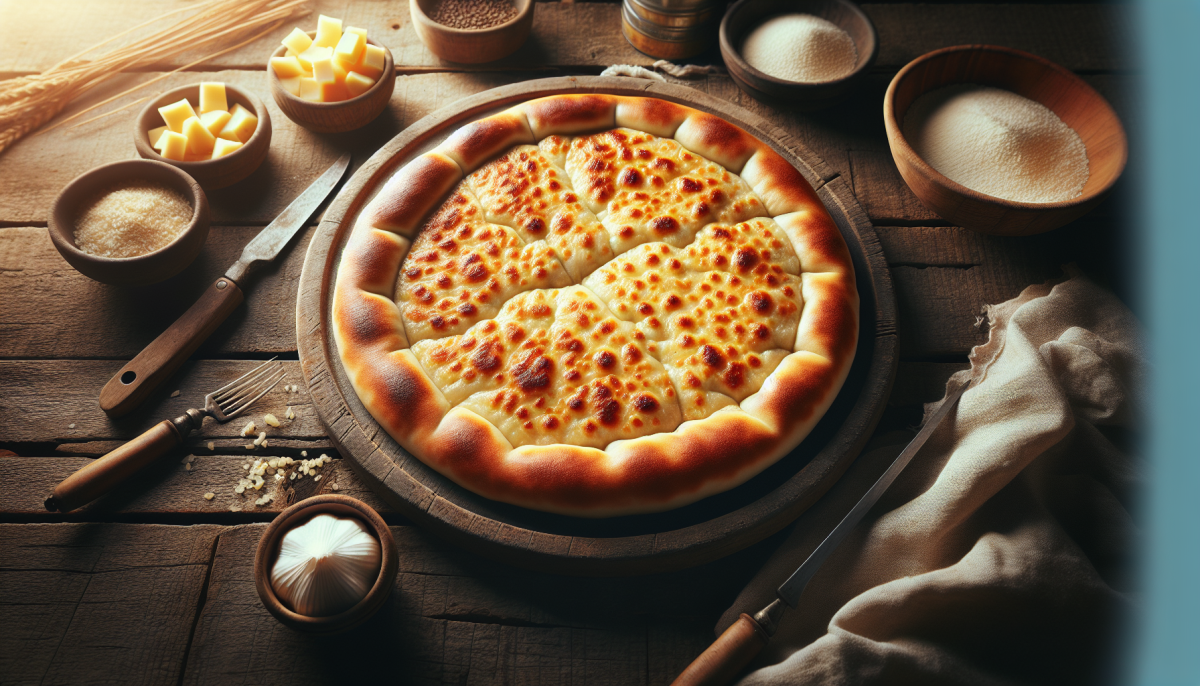
If za’atar manoushe is the weekday standard, cheese manoushe is the weekend luxury. The same soft, puffy dough gets topped with a generous blanket of mixed cheeses — akkawi, mozzarella, and halloumi or a kosher equivalent — that melts into a bubbling, golden carpet as the flatbread bakes in a scorching oven. The edges char slightly, the cheese stretches in long threads, and the first bite is pure indulgence.
For Lebanese and Syrian Jews, cheese manoushe was the Shabbat morning bread, eaten while the cheese was still molten, folded in half like a taco, with sliced tomatoes and cucumbers on the side and sweet mint tea to drink. The combination of tangy cheese, chewy dough, and fresh vegetables is one of the Levant’s greatest culinary achievements.
The dough is deliberately simple so the cheese can shine. Mix it, let it rise, stretch it thin, pile on the cheese, and bake as hot as your oven will go. The entire process takes about two hours from start to mouth, and every minute is worth it.
What Makes This Special
- Three-cheese blend — Akkawi, mozzarella, and halloumi for stretchy, salty, bubbly perfection.
- High-heat baking — Scorching oven creates charred edges and bubbly cheese.
- Shabbat morning tradition — The classic Lebanese Jewish weekend breakfast bread.
- Fold-and-eat simplicity — Fold in half, add vegetables, eat with your hands.
Halachic Notes
- Kosher Classification: Dairy — contains cheese. Must be eaten at a dairy meal. Shape differently from pareve flatbreads to distinguish.
- Hafrashat Challah: Uses ~400g flour. No challah separation required at this quantity.
- Checking Eggs: Each egg must be checked individually for blood spots before adding.
- Pas Yisroel: Homemade bread baked by a Jewish person fulfills Pas Yisroel.
- Brachot: Before eating: HaMotzi. After eating: Birkat HaMazon.
Ingredients
Dough
| Ingredient | Grams | Volume | Baker’s % |
|---|---|---|---|
| Bread flour | 400 g | 3¼ cups | 100% |
| Granulated sugar | 10 g | 2 tsp | 2.5% |
| Fine sea salt | 6 g | 1 tsp | 1.5% |
| Instant yeast | 5 g | 1½ tsp | 1.25% |
| Warm water | 260 g | 1 cup + 2 tbsp | 65% |
| Olive oil | 20 g | 1½ tbsp | 5% |
Cheese Topping
| Ingredient | Grams | Volume | Baker’s % |
|---|---|---|---|
| Mozzarella (shredded) | 200 g | 2 cups | — |
| Akkawi or feta (crumbled) | 100 g | ¾ cup | — |
| Halloumi (shredded) | 100 g | ¾ cup | — |
| Nigella seeds (optional) | 5 g | 1 tsp | — |
Step-by-Step Instructions
Step 1: Make the Dough
Combine flour, sugar, salt, yeast. Add water and oil. Knead 6–8 minutes until smooth. Cover, rise 1 hour until doubled.
Step 2: Prepare Cheese
Mix the three cheeses together. If using very salty cheeses, rinse akkawi beforehand.
Step 3: Shape and Top
Preheat oven to maximum (250°C / 480°F) with a baking stone or inverted sheet inside. Divide dough into 6 pieces. Stretch or roll each into a round about 20 cm (8 in). Spread a generous handful of cheese mix on each, leaving a small border. Sprinkle with nigella seeds.
Step 4: Bake
Slide onto the hot stone. Bake 7–9 minutes until the cheese is bubbling and golden and the edges are charred. Serve immediately.
Storage & Make-Ahead
- Best served: Immediately, while cheese is still molten.
- Dough: Can be refrigerated overnight for next-morning baking.
- Reheating: Toast in a hot skillet or under the broiler for 2 minutes.
Troubleshooting
| Problem | Cause | Solution |
|---|---|---|
| Cheese not melting | Oven not hot enough | Preheat stone to maximum temperature; use shredded not sliced cheese |
| Soggy center | Dough too thick | Stretch dough thin; use less cheese in the center |
| Cheese sliding off | Dough too oily | Keep surface dry before adding cheese; press cheese gently into dough |
Frequently Asked Questions
What cheeses can I substitute?
Any combination of kosher meltable cheeses works. Muenster, Monterey Jack, or kashkaval are good alternatives. The goal is a blend of stretchy and salty.
Can I make this pareve?
A pareve cheese manoushe is not traditional, but you could use kosher pareve cheese alternatives if desired.
What is the traditional way to eat cheese manoushe?
Fold in half with sliced tomatoes, cucumbers, and mint leaves inside. Eat with your hands, with sweet tea alongside.
Can I add za’atar to the cheese?
A cheese-and-za’atar mix is a popular variation. Sprinkle za’atar over the cheese before baking for the best of both worlds.
Lebanese Morning Breads
Explore more Sephardi flatbreads on the Kosher Bread Path.
🍞 Get a New Kosher Recipe Every Week
Join our baking community. One recipe, one tip, one story — delivered every Friday before Shabbat.
No spam. Just bread. Unsubscribe anytime.
You Might Also Enjoy
- Za’atar Manoushe — Herbed version of manoushe
- Khachapuri — Georgian cheese bread boats
- Cheese Bourekas — Flaky cheese pastries
- Pita Bread — Classic flatbread base
- Cheese Pogaca — Turkish cheese-filled buns