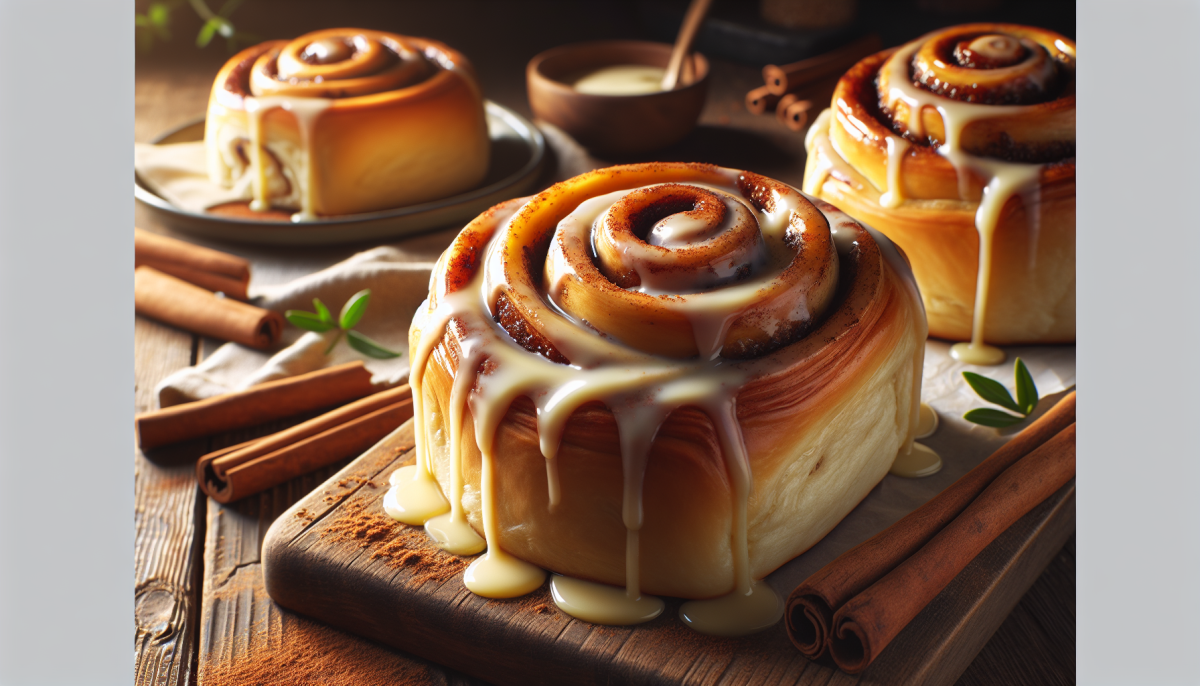
Every great Jewish bakery has a cinnamon raisin bread in the display case—that gorgeous loaf with its tight spiral of dark cinnamon swirl, plump raisins peeking through a tender, golden crumb, and a fragrance that stops you mid-step and pulls you toward the counter. This is that bread, built from scratch with the techniques and care that separate a truly exceptional cinnamon raisin loaf from the ordinary.
The Jewish bakery tradition of enriched breads finds one of its most universally beloved expressions in cinnamon raisin bread. While challah gets the spotlight on Shabbat, cinnamon raisin bread is the weekday hero—perfect for breakfast toast, afternoon snacking, or French toast on a lazy Sunday morning. It bridges the gap between bread and pastry, offering just enough sweetness and spice to feel indulgent while remaining firmly in the bread category.
The secret to a truly great cinnamon raisin bread lies in three details: a properly enriched dough that stays soft for days, a cinnamon filling that’s thick enough to create visible swirls without separating from the bread, and raisins that are plump and juicy rather than dry and hard. Get these three elements right, and you’ll have a loaf that rivals anything from the best bakeries—slicing cleanly to reveal that mesmerizing spiral pattern that never fails to impress.
What Makes This Recipe Special
- Bakery-style tight swirl — A specific rolling technique creates the classic spiral pattern without gaps or separation
- Pre-soaked raisins — Plumped in warm water before incorporation, so they stay juicy and don’t pull moisture from the dough
- Enriched pareve dough — Eggs and oil create a tender, long-lasting crumb suitable for any meal
- Cinnamon sugar paste — A slightly wet filling that adheres to the dough, preventing the dreaded air gaps around the swirl
- Multi-day freshness — This loaf stays soft and sliceable for 3–4 days, improving on day two as flavors develop
Halachic Notes
- Kosher Classification: Pareve — contains no dairy or meat ingredients. Eggs must be checked for blood spots before use.
- Hafrashat Challah: This recipe uses approximately 500g of flour, which is below the shiur for separating challah. If doubling, separate challah without a bracha at 1 kg, or with the bracha "ברוך אתה ה׳ אלקינו מלך העולם אשר קדשנו במצותיו וצונו להפריש חלה" at 2.25 kg.
- Pas Yisroel: When a Jewish person lights the oven or contributes to the baking process, this bread fulfills the Pas Yisroel requirement.
- Brachot: Hamotzi lechem min ha’aretz before; Birkat Hamazon after.
Ingredients
Dough
| Ingredient | Grams | Volume | Baker’s % |
|---|---|---|---|
| Bread flour | 500g | 4 cups | 100% |
| Warm water (38°C / 100°F) | 170g | ¾ cup | 34% |
| Large eggs | 100g (2 large) | 2 eggs | 20% |
| Granulated sugar | 50g | ¼ cup | 10% |
| Neutral oil | 50g | 3½ Tbsp | 10% |
| Fine sea salt | 8g | 1¼ tsp | 1.6% |
| Instant yeast | 7g | 2¼ tsp | 1.4% |
| Raisins | 150g | 1 cup | 30% |
Cinnamon Filling
| Ingredient | Amount |
|---|---|
| Brown sugar | 100g (½ cup packed) |
| Ground cinnamon | 12g (2 Tbsp) |
| Neutral oil | 15g (1 Tbsp) |
Instructions
Step 1: Soak the Raisins
Place the raisins in a bowl and cover with hot water. Let soak for 20–30 minutes until plump. Drain thoroughly and pat dry with a clean towel. Toss with 1 tablespoon of flour to prevent clumping in the dough.
Step 2: Mix the Dough
In a large bowl, combine the warm water, eggs, sugar, and oil. Add the flour, salt, and yeast. Mix until a shaggy dough forms. Turn onto a lightly floured surface and knead for 8–10 minutes until smooth and elastic. During the last 2 minutes of kneading, incorporate the drained raisins, pressing them into the dough and folding until evenly distributed.
Step 3: First Rise
Place the dough in a lightly oiled bowl, cover, and let rise at room temperature until doubled, about 1½–2 hours.
Step 4: Prepare the Filling
Mix the brown sugar, cinnamon, and oil together until it forms a slightly wet, sandy paste. This consistency is crucial—the small amount of oil helps the filling adhere to the dough and prevents the swirl from separating during baking.
Step 5: Shape the Loaf
Gently deflate the dough and roll it on a lightly floured surface into a rectangle approximately 30 x 40 cm (12 x 16 in). Spread the cinnamon filling evenly over the surface, leaving a 1 cm border on one short end. Starting from the opposite short end, roll the dough tightly into a log, pressing gently as you go. Pinch the seam and ends to seal.
Step 6: Pan and Second Rise
Place the log seam-side down in a greased 23 x 13 cm (9 x 5 in) loaf pan. Cover loosely and let rise for 45–60 minutes until the dough crests about 2.5 cm (1 in) above the rim of the pan. Preheat the oven to 175°C (350°F).
Step 7: Bake
Bake for 35–40 minutes until the top is deep golden brown and the internal temperature reads 88°C (190°F). If the top is browning too quickly, tent loosely with foil after 25 minutes. Remove from the pan after 5 minutes and cool on a wire rack for at least 30 minutes before slicing.
Storage & Make-Ahead
- Room temperature: Wrap tightly in plastic wrap or store in an airtight bag for 3–4 days. The enriched dough keeps this bread soft much longer than lean breads.
- Freezing: Slice before freezing for easy individual portions. Wrap the whole loaf or individual slices in plastic wrap and foil. Freeze for up to 3 months.
- Reheating: Toast slices directly from frozen—the bread toasts beautifully. For a whole loaf, wrap in foil and warm at 175°C (350°F) for 15 minutes.
- Make-ahead: Shape the loaf in the pan and refrigerate overnight (up to 18 hours). Remove 45 minutes before baking to let it finish rising, then bake as directed.
Troubleshooting
| Problem | Cause | Solution |
|---|---|---|
| Gap between swirl and bread | Filling too dry or roll too loose | Use the oil in the filling for adhesion; roll tightly and evenly |
| Raisins burning on top | Raisins exposed on the surface | Push any visible raisins into the dough before baking; tent with foil |
| Loaf collapsing in the center | Over-proofed before baking | Watch the second rise carefully; bake when dough crests 1 inch above pan |
| Dense, heavy texture | Under-kneaded or dough too cold | Knead until windowpane test passes; ensure DDT of 26°C |
| Cinnamon filling leaking out | Seams not sealed properly | Pinch the seam and ends firmly; place seam-side down in pan |
Frequently Asked Questions
What type of raisins work best?
Dark Thompson seedless raisins are the classic choice for Jewish bakery-style cinnamon raisin bread. Golden raisins (sultanas) are sweeter and milder, while currants add a more intense, wine-like flavor. Any variety works—just be sure to soak them first regardless of type.
Can I make this bread without raisins?
Absolutely. Without the raisins, you’ll have a delicious cinnamon swirl bread. Consider adding 60g of chopped walnuts or pecans to the cinnamon filling for texture. The bread is equally wonderful either way.
Why does my cinnamon swirl separate from the bread?
This is the most common problem with cinnamon bread. The solution is twofold: first, the filling needs a small amount of oil or liquid to act as “glue” (which this recipe includes). Second, roll the dough tightly and evenly, pressing down gently with each turn to ensure the filling stays in contact with the dough. Don’t use too much filling, as excess creates slippery layers.
Is this bread good for French toast?
This is arguably the best bread for French toast. The enriched dough absorbs custard beautifully, and the cinnamon swirl means the spice flavor is baked right in. Day-old or lightly stale slices work best, as they absorb the egg mixture without falling apart. Cut thick slices (2 cm / ¾ in) for the most luxurious result.
Can I add a glaze?
A simple glaze of powdered sugar and a few drops of water or lemon juice can be drizzled over the cooled loaf for extra sweetness. For a pareve version, use plant-based milk in the glaze. The glaze is optional—the bread is perfectly balanced without it.
Enjoy Your Cinnamon Raisin Bread!
A Jewish bakery classic, perfect for breakfast toast, snacking, or the best French toast you’ve ever had.
🍞 Get a New Kosher Recipe Every Week
Join our baking community. One recipe, one tip, one story — delivered every Friday before Shabbat.
No spam. Just bread. Unsubscribe anytime.
You Might Also Enjoy
- Raisin Challah — Raisin-studded braided bread
- Cinnamon Babka — Swirled cinnamon loaf
- Challah French Toast — Perfect for cinnamon bread
- Challah Bread Pudding — Custardy bread dessert
- Challah Cinnamon Rolls — Individual cinnamon rolls