Categories
Recipes

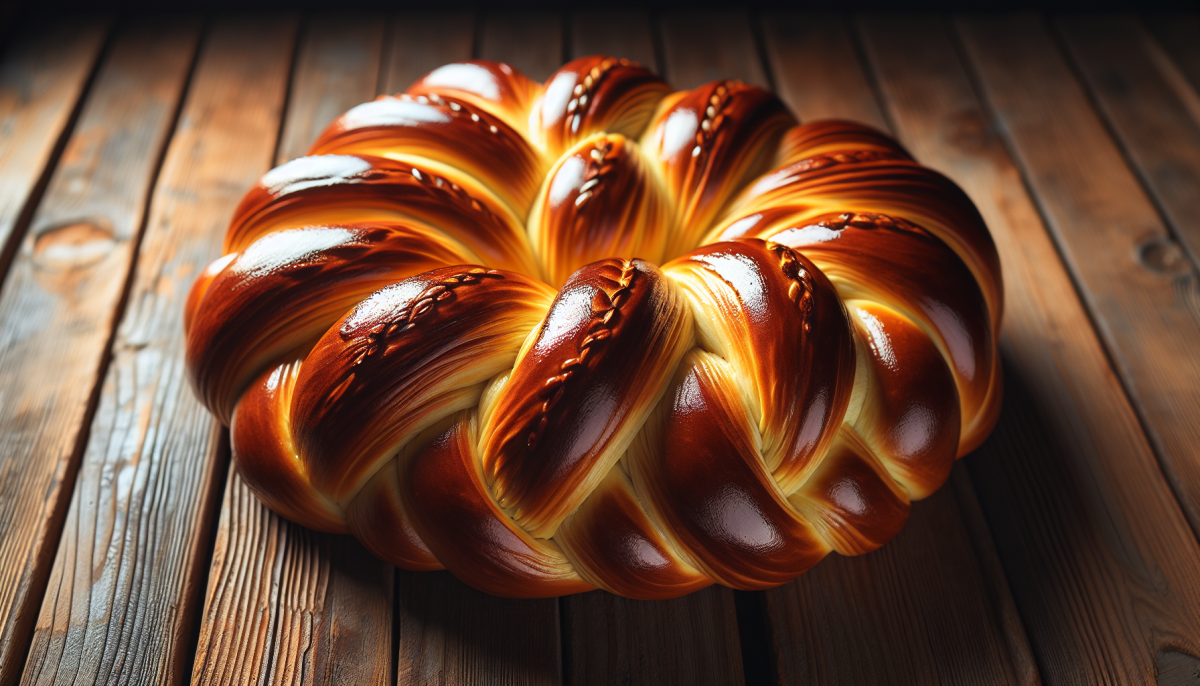
Sesame Challah

✔ Pareve
Yield: 1 large loaf  |  Difficulty: Intermediate  |  Active Time: 35 min  |  Total Time: 4 hours  |  Bracha: Hamotzi

This beloved recipe from the Jewish tradition brings authentic flavors to your home kitchen. Following the Kosher Bread Pro template with precise measurements, baker’s percentages, and detailed halachic guidance, this recipe ensures a perfect result every time.

Whether you’re an experienced baker or trying this for the first time, the step-by-step instructions and troubleshooting tips will guide you to success. Every ingredient is carefully chosen and every technique explained for reliable, delicious results.

Categories
Recipes

Chocolate Rugelach

✔ Pareve
Yield: 32 rugelach  |  Difficulty: Intermediate  |  Active Time: 45 minutes  |  Total Time: 3½ hours  |  Bracha: Mezonot

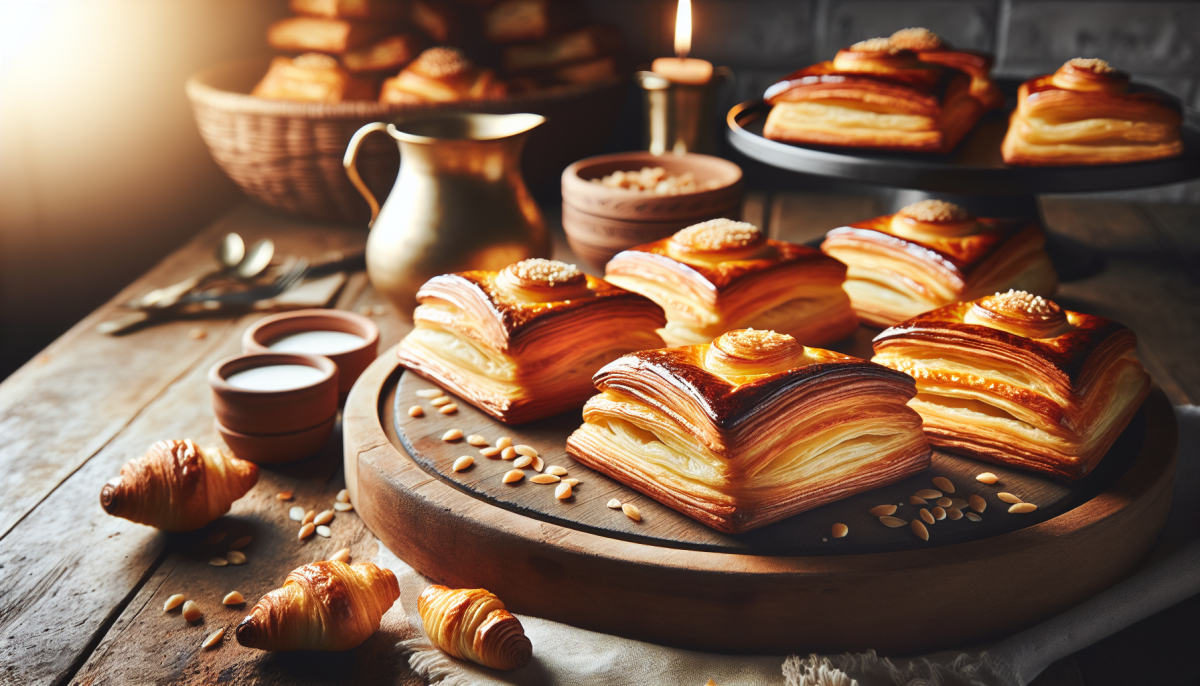
If classic rugelach are the everyday gems of the Jewish pastry case, chocolate rugelach are the special-occasion showstoppers. These crescents wrap a cocoa-enriched dough around a filling of dark chocolate, cinnamon, and finely chopped walnuts, producing a pastry that is simultaneously flaky, fudgy, and deeply chocolatey.

The cream cheese dough (here made pareve with margarine or coconut oil) creates the signature flaky layers, while cocoa powder added directly to the filling paste ensures chocolate flavor in every single bite. A final brush of egg wash and a sprinkle of cinnamon sugar gives each rugelach a crackly, caramelized exterior that shatters on first bite.

Categories
Recipes

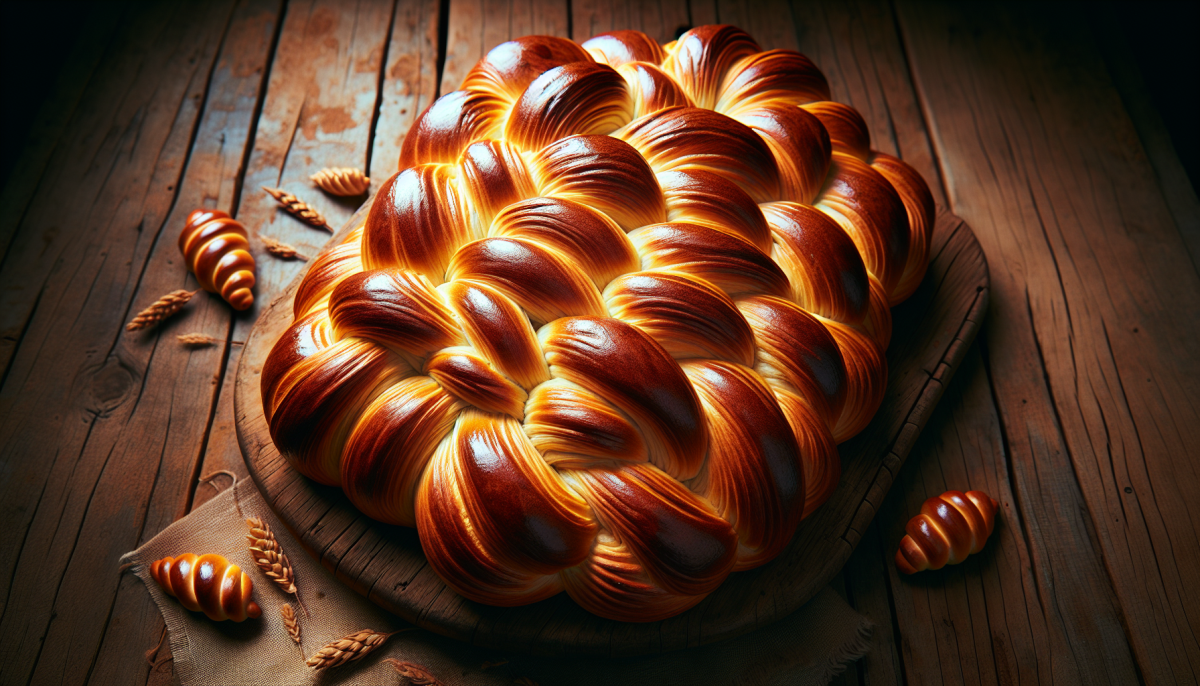
Spelt Challah

✔ Pareve
Yield: 1 large loaf  |  Difficulty: Intermediate  |  Active Time: 35 minutes  |  Total Time: 4 hours  |  Bracha: Hamotzi

Spelt is one of the five grains mentioned in the Talmud for the mitzvah of challah, making spelt challah not just a health-conscious choice but a deeply traditional one. This ancient grain produces a challah with a nutty, slightly sweet flavor and a tender crumb that’s easier to digest than modern wheat for many people.

The key to great spelt challah is gentle handling. Spelt’s gluten is more fragile than wheat’s, so shorter kneading times and careful shaping produce the best results. The reward is a challah with beautiful color, wonderful aroma, and a flavor complexity that regular flour simply cannot match.

Categories
Recipes

Seeded Challah

✔ Pareve
Yield: 1 large loaf  |  Difficulty: Intermediate  |  Active Time: 35 minutes  |  Total Time: 4 hours  |  Bracha: Hamotzi

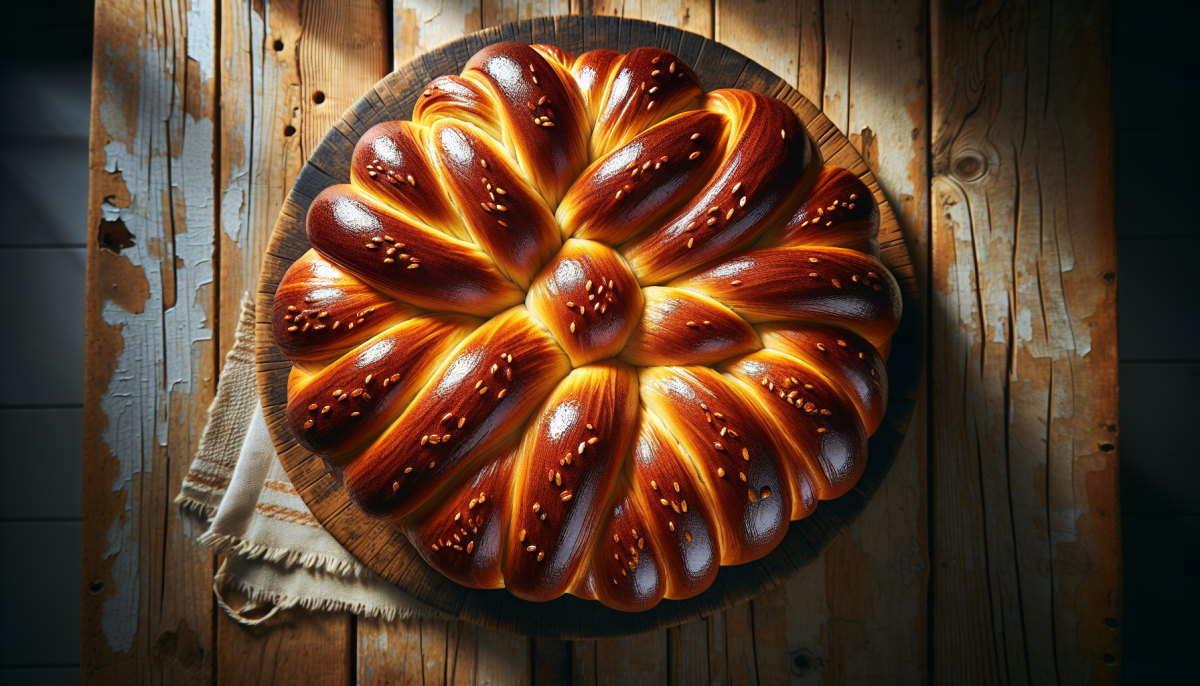
Seeded challah brings together the golden, egg-enriched richness of traditional challah with a generous coating of mixed seeds—sesame, poppy, sunflower, and flax—creating a loaf that is both visually stunning and nutritionally enhanced. The seeds add a nutty crunch to every bite while the interior remains pillowy and soft.

This multi-seed variation has become a favorite in modern Jewish bakeries, appealing to health-conscious bakers who want the beauty and tradition of challah with added fiber, protein, and omega-3 fatty acids. The seeds toast during baking, becoming fragrant and deeply flavored, transforming a simple Shabbat bread into something extraordinary.

Categories
Recipes

Apple Strudel Recipe: Classic Jewish Bakery Pastry

✔ Pareve
Yield: 1 large strudel (10 slices)  |  Difficulty: Advanced  |  Active Time: 1 hour  |  Total Time: 2½ hours  |  Bracha: Mezonot

Apple strudel is one of the great achievements of Ashkenazi Jewish baking—a paper-thin sheet of hand-stretched dough rolled around a filling of spiced, caramelized apples and toasted breadcrumbs, then baked until the pastry shatters into a thousand golden, flaky layers. It’s the kind of baking that requires skill, patience, and a clean kitchen towel, and the result is something that no store-bought version can approach.

The strudel tradition came to Jewish bakeries through the Austro-Hungarian Empire, where Viennese Apfelstrudel was the queen of pastries. Jewish bakers adapted it by replacing butter with oil, creating a pareve version that could be served after meat meals. The hand-stretched dough—pulled so thin you can read a newspaper through it—became a point of pride among Jewish grandmothers, a skill passed down through generations and demonstrated with theatrical flair at family gatherings.

Making strudel dough from scratch is an exercise in trust. The high-gluten dough, rested until relaxed and extensible, is stretched by hand over a tablecloth until it becomes nearly transparent. Rolled around a fragrant filling of tart apples, sugar, cinnamon, golden raisins, and toasted breadcrumbs (which absorb the apple juices and prevent sogginess), the strudel bakes into a pastry that crackles at the touch and reveals layer upon delicate layer within.

Categories
Recipes

Water Challah Recipe: Egg-Free Vegan Challah Bread

✔ Pareve
Yield: 1 large loaf  |  Difficulty: Easy–Intermediate  |  Active Time: 30 minutes  |  Total Time: 3½ hours  |  Bracha: Hamotzi

Water challah—challah made without eggs—has a long and respected history in Jewish baking, though it’s often overshadowed by its egg-enriched cousin. In many European Jewish communities, this was simply the challah: a lean, slightly sweet bread with a satisfying chew and a crust that shatters beautifully. Before eggs became affordable and abundant, water challah was the Friday night standard in homes across Poland, Lithuania, and Russia.

Today, water challah serves multiple purposes: it’s ideal for those with egg allergies, welcoming for vegan guests, and indispensable when you simply don’t have eggs on hand. But beyond accommodation, water challah is genuinely delicious in its own right. Without eggs softening and enriching the crumb, the wheat flavor comes through more clearly, the crust develops a more pronounced crackle, and the bread has a satisfying, slightly chewy texture that many bakers actually prefer.

The key to a great water challah is hydration and fat. Without eggs providing moisture and richness, the dough relies on water and oil to create tenderness. A slightly higher hydration level and a generous pour of oil produce a challah that is soft, braids beautifully, and develops a gorgeous golden crust when brushed with an oil-and-turmeric wash (the clever egg-free alternative to egg wash that gives the same warm color).

Categories
Recipes

Black and White Cookies Recipe: NYC Jewish Bakery Classic

✔ Pareve
Yield: 12 large cookies  |  Difficulty: Intermediate  |  Active Time: 45 minutes  |  Total Time: 2 hours  |  Bracha: Mezonot

The black and white cookie is as New York as the Brooklyn Bridge and as Jewish as a Sunday morning at Zabar’s. Half-moon of vanilla fondant, half-moon of chocolate—this oversized, cake-like cookie has been a fixture in Jewish bakeries, delis, and appetizing shops across the five boroughs since the early 20th century. It’s the cookie that launched a thousand Seinfeld references, the one Jerry called “the symbol of racial harmony”—two colors coming together on a single cookie.

The origins of the black and white trace back to the German and Eastern European Jewish bakers who established themselves in New York in the late 1800s. Known as Halbmonde (half-moons) in German baking tradition, these cookies were adapted by Jewish bakeries like Glaser’s, Zabar’s, and William Greenberg to become something distinctly New York. The key is in the base: not a crunchy cookie but a soft, cakey round that’s really more of an individually portioned sponge—tender, lemony, and yielding.

A truly great black and white cookie has three non-negotiable qualities: the base must be soft and cake-like (never crunchy), the fondant icing must be smooth and just-set (not dry or chalky), and the dividing line between black and white must be crisp and clean. This recipe delivers all three, with a pareve formula that makes these cookies suitable for any occasion—from a Shabbat kiddush spread to a weeknight treat.

Categories
Recipes

Everything Bagel Challah Recipe: Modern Fusion Bread

✔ Pareve
Yield: 1 large loaf  |  Difficulty: Intermediate  |  Active Time: 40 minutes  |  Total Time: 4 hours  |  Bracha: Hamotzi

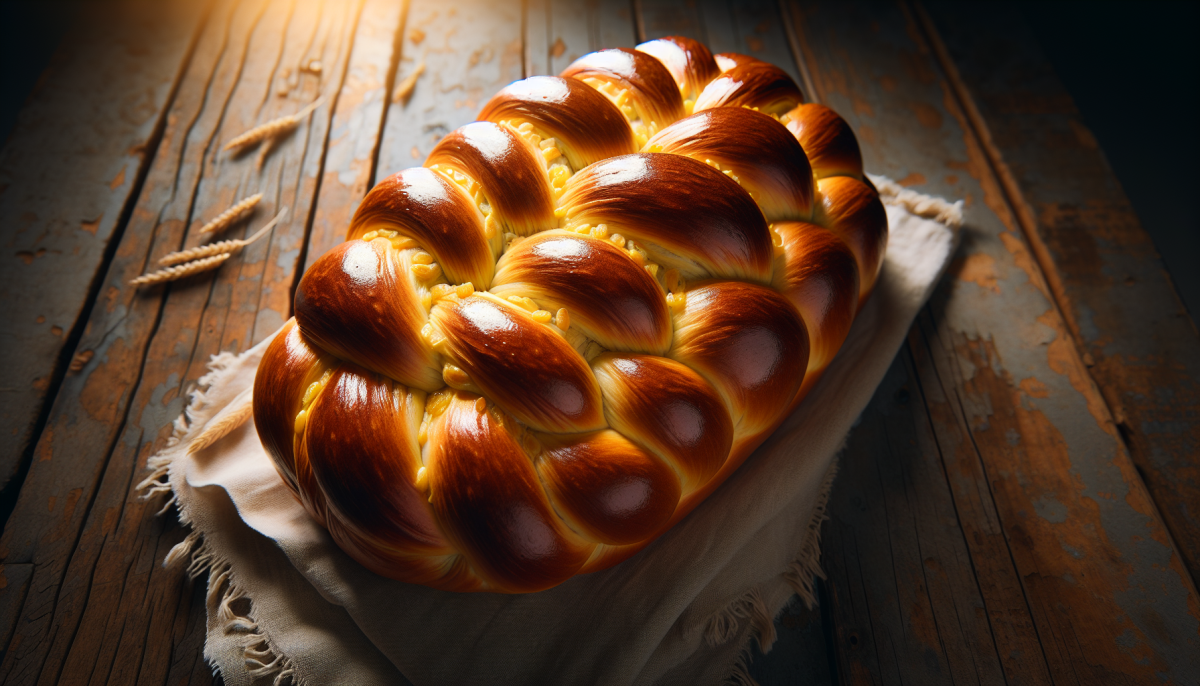
Two of the most iconic breads in Jewish baking—challah and the everything bagel—come together in a loaf that has taken the modern Jewish food world by storm. Everything bagel challah wraps the soft, rich, egg-enriched crumb of a classic challah in a crust encrusted with that irresistible mix of poppy seeds, sesame seeds, dried garlic, dried onion, and flaky salt. The result is a bread that bridges tradition and innovation, equally at home on a Shabbat table and a Sunday brunch spread.

The genius of this combination is in how the two elements complement each other. Challah dough is subtly sweet, tender, and pillowy—a perfect canvas for the savory, crunchy punch of everything seasoning. Where a traditional challah gets its flavor from eggs, oil, and a touch of honey, this version adds layers of allium, nuttiness, and salt that transform each bite into something addictive. It’s the kind of bread that disappears from the table before you’ve finished saying hamotzi.

The technique is straightforward: a classic challah dough, braided beautifully, then coated in a generous layer of everything seasoning that adheres to a tacky egg wash. The seasoning bakes into the crust, becoming aromatic and slightly toasted, while the interior stays cloud-soft. Make this once and it will become a permanent addition to your Shabbat rotation.
Categories
Recipes

Jewish Rye Bread Recipe: Classic Deli-Style Caraway Rye

✔ Pareve
Yield: 1 large loaf  |  Difficulty: Intermediate  |  Active Time: 30 minutes  |  Total Time: 5 hours  |  Bracha: Hamotzi

Walk into any great Jewish deli—from Katz’s on the Lower East Side to Schwartz’s in Montreal—and the first thing that arrives at your table is a basket of rye bread. Not just any rye bread, but Jewish rye: a loaf with a tight, slightly sour crumb shot through with the warm, anise-like fragrance of caraway seeds, a crust that crackles when you press it, and a flavor that stands up to the boldest deli meats without ever being overwhelmed.

Jewish rye bread occupies a unique place in the pantheon of American Jewish food. Brought to the Lower East Side by Eastern European immigrants in the late 19th and early 20th centuries, it became the foundation of the Jewish deli sandwich—the bread upon which towers of pastrami, corned beef, and tongue were built. The original bakeries on Hester Street and Rivington Street produced thousands of loaves daily, each one a connection to the rye breads of Lithuania, Poland, and Russia.

This recipe produces the classic “New York Jewish rye”—a medium rye with about 30% rye flour (enough for authentic flavor without the density of a 100% rye), generous caraway seeds, and a cornmeal-dusted bottom crust. The crumb is tight enough to hold a pile of pastrami without collapsing, yet tender enough to eat on its own with just a smear of mustard. It’s the kind of bread that makes you understand why Jewish delis became an American institution.

Categories
Recipes

Flodni Recipe: Hungarian Jewish Layered Pastry

✔ Pareve
Yield: 24 pieces  |  Difficulty: Intermediate–Advanced  |  Active Time: 1½ hours  |  Total Time: 5 hours  |  Bracha: Mezonot

Flodni is the crown jewel of Hungarian Jewish pastry—a magnificent layered creation that tells the story of Budapest’s once-thriving Jewish bakery culture in every bite. This architectural marvel stacks four distinct fillings between five layers of tender, flaky pastry: ground poppy seed, crushed walnut, spiced apple, and rich plum jam, each layer a distinct flavor and texture that harmonizes into something far greater than the sum of its parts.

The origins of flodni trace back to the Jewish quarter of Budapest, where bakeries along Kazinczy Street produced these elaborate pastries for Shabbat, holidays, and celebrations. Each filling carries symbolic weight—the apple for Rosh Hashanah sweetness, the poppy seed for Purim, the walnut for abundance, and the plum jam (lekvar) for the preserved flavors of harvest. Together, they represent the full cycle of the Jewish year in a single confection.

Making flodni is an act of devotion. The process requires patience and care—preparing four separate fillings, rolling out five layers of dough, and assembling everything with precision. But the reward is extraordinary: a pastry that slices into perfect layers of contrasting colors and textures, each bite offering the earthy warmth of poppy seeds, the buttery crunch of walnuts, the bright acidity of apples, and the deep sweetness of plum. It’s the kind of baking that connects you to generations of Hungarian Jewish bakers who understood that the most beautiful things take time.