Categories
Recipes

Teiglach (Honey Dough Balls)

Pareve
Dairy-Free • Contains Eggs • Contains Gluten
Yield~60 pieces
DifficultyIntermediate
Active Time30 minutes
Total Time2 hours
BrachaMezonot

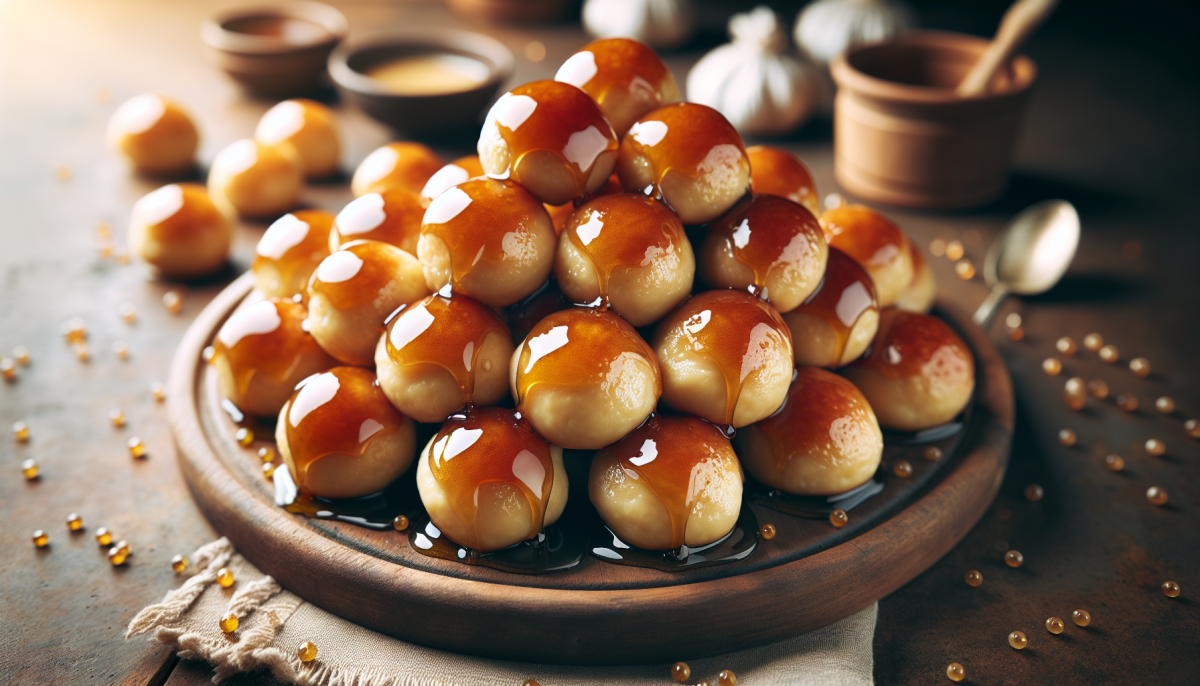
Teiglach are the honey-cooked dough balls that crown the Rosh Hashanah table. Small nuggets of simple egg dough, simmered in a bubbling honey syrup until they turn golden and caramelized, then tumbled with nuts and sometimes ginger. They are sticky, sweet, crunchy, and utterly addictive — the original Jewish candy.

The name comes from the Yiddish word for “little pieces of dough,” and teiglach have been part of Ashkenazi Rosh Hashanah celebrations for centuries. The honey syrup connects them to the universal Jewish wish for a sweet new year, while their golden color evokes prosperity and blessing.

Making teiglach is a communal activity. The dough is simple enough for children to roll, and the honey cooking process fills the kitchen with an intoxicating aroma. They are traditionally piled into a towering mound, glistening with honey, nuts scattered throughout like jewels.
Categories
Recipes

Apple Challah

✔ Pareve
Yield: 1 round loaf  |  Difficulty: Intermediate  |  Active Time: 45 min  |  Total Time: 4½ hours  |  Bracha: Hamotzi

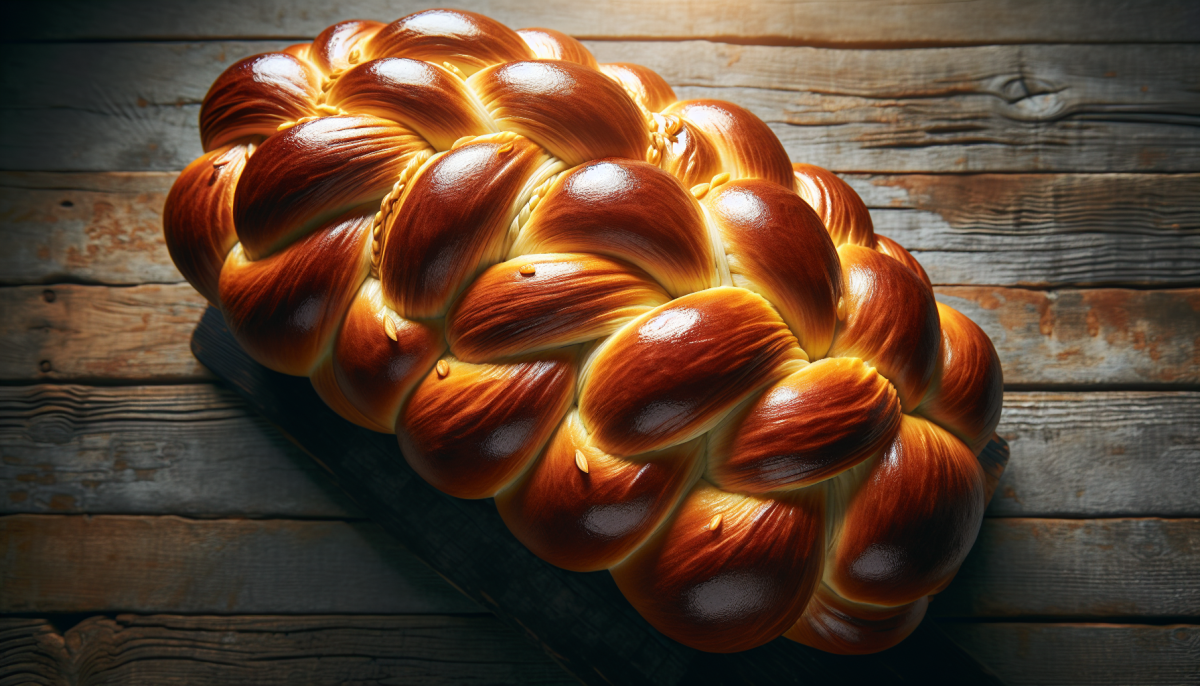
This beloved recipe from the Jewish tradition brings authentic flavors to your home kitchen. Following the Kosher Bread Pro template with precise measurements, baker’s percentages, and detailed halachic guidance, this recipe ensures a perfect result every time.

Whether you’re an experienced baker or trying this for the first time, the step-by-step instructions and troubleshooting tips will guide you to success. Every ingredient is carefully chosen and every technique explained for reliable, delicious results.

Categories
Recipes

Honey Cake Recipe (Lekach): Traditional Rosh Hashanah Cake

✔ Pareve
Yield: 1 loaf (12 slices)  |  Difficulty: Easy  |  Active Time: 20 minutes  |  Total Time: 1½ hours  |  Bracha: Mezonot

Honey cake—lekach in Yiddish—is the taste of the Jewish New Year. Every Rosh Hashanah table across the Ashkenazi world features this dark, deeply spiced, honey-soaked cake, its sweetness a prayer made edible: may the coming year be as sweet as this slice. The tradition of eating honey cake at Rosh Hashanah stretches back centuries, and the best versions are not merely sweet but complex—warm with cinnamon and allspice, bitter-edged with strong coffee, and fragrant with the floral depth of good honey.

The great secret of exceptional lekach is that it improves with time. Baked a day or two before Rosh Hashanah, the cake becomes more moist and the flavors deepen as the honey continues to hydrate the crumb. Many Jewish grandmothers insisted on baking their honey cake at least three days ahead, wrapping it tightly and letting it mature. This patience is rewarded with a cake that is almost impossibly moist, with a texture closer to a sticky toffee pudding than a typical American cake.

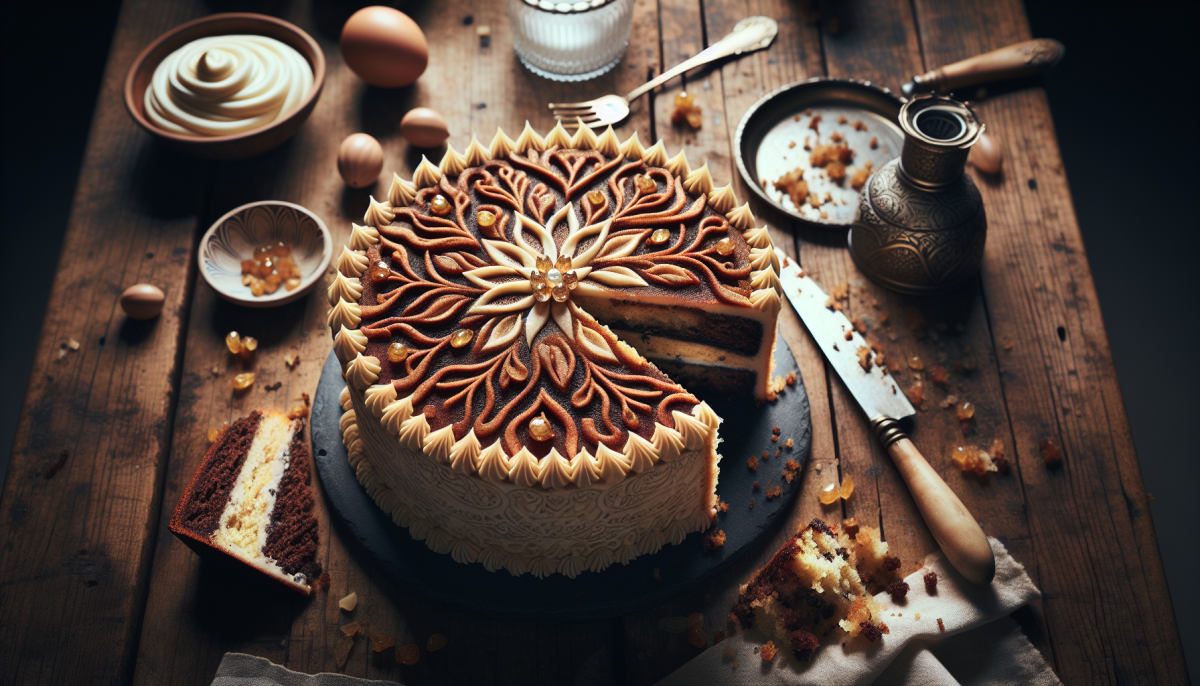
This recipe produces the definitive lekach: tall, dark, and handsome in its loaf pan, with a crumb that is moist enough to eat with your fingers yet sturdy enough to slice cleanly. The combination of coffee and honey creates a flavor that is sophisticated and deeply satisfying—sweet without being cloying, spiced without being heavy. It’s the cake that says Shanah Tovah in every bite.

Categories
Recipes

Honey Challah Recipe — Round Rosh Hashanah Bread

Pareve
Dairy-Free • Egg • Contains Gluten
Yield
2 round challahs
Difficulty
Beginner–Intermediate
Active Time
30 minutes
Total Time
3½–4 hours
Bracha
HaMotzi

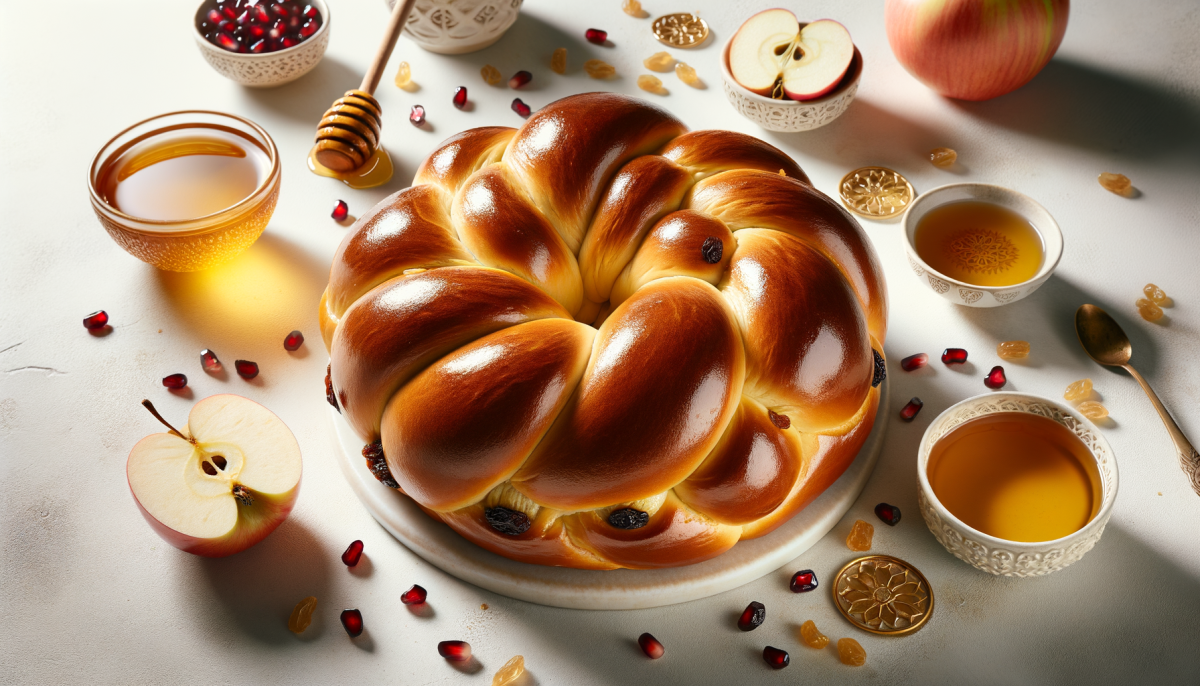
Round honey challah is THE bread of Rosh Hashanah. If there is one loaf that defines the Jewish New Year, this is it — golden, glistening with honey glaze, shaped into a tight spiral that speaks of cycles, continuity, and hope. From the first night of Rosh Hashanah through the final meal of Sukkot, this round, honey-sweetened challah replaces the traditional braided loaf on every observant Jewish table.

The symbolism is woven into every element. The round shape represents the cycle of the year — no beginning, no end, the eternal turning of seasons and festivals. Honey replaces sugar in the dough, because we ask God for a shanah tovah u’metukah — a good and sweet new year. And the spiral, rising upward from the center, is said to evoke a crown, a reminder of God’s sovereignty on the Day of Judgment.

If you have baked our Classic Kosher Challah, you already have the foundation. Honey challah uses the same core technique but swaps most of the sugar for rich, floral honey and reshapes the dough from a braid into a beautiful round coil. It is a small shift in method that carries enormous meaning.

On Rosh Hashanah night, the round challah is dipped in honey before eating — doubling the sweetness. Some families place a bowl of honey at the center of the table and let each person tear a piece and dip it themselves, making the wish for a sweet new year a communal, tactile act.