Categories
Recipes

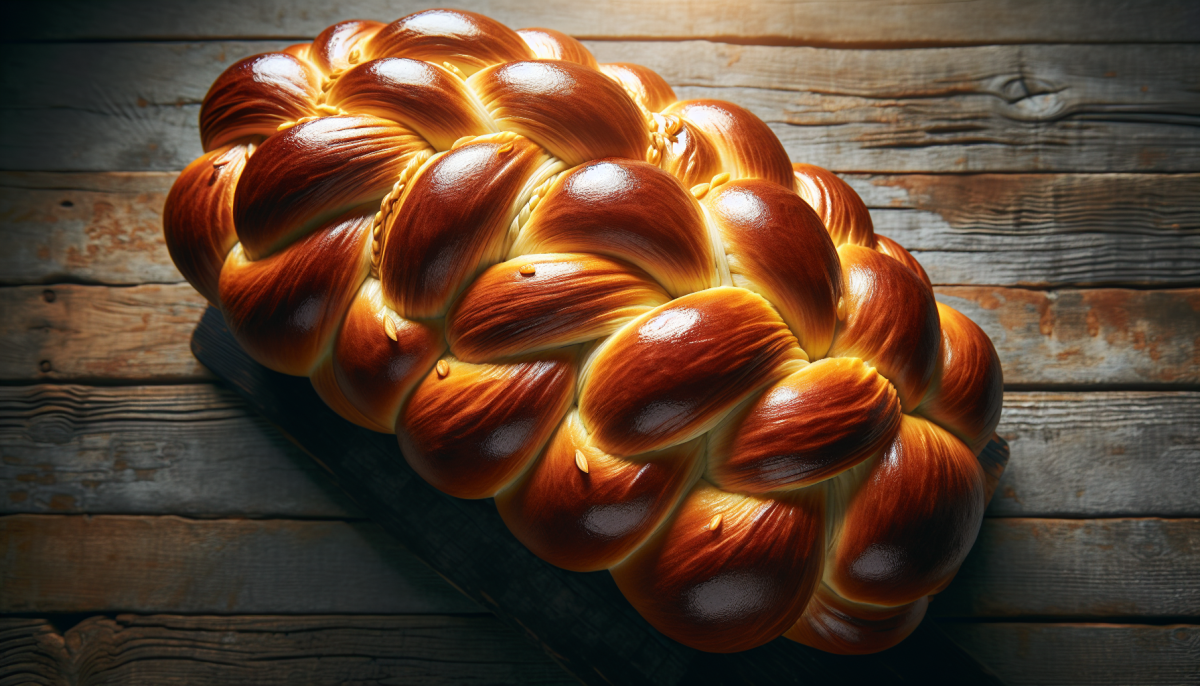
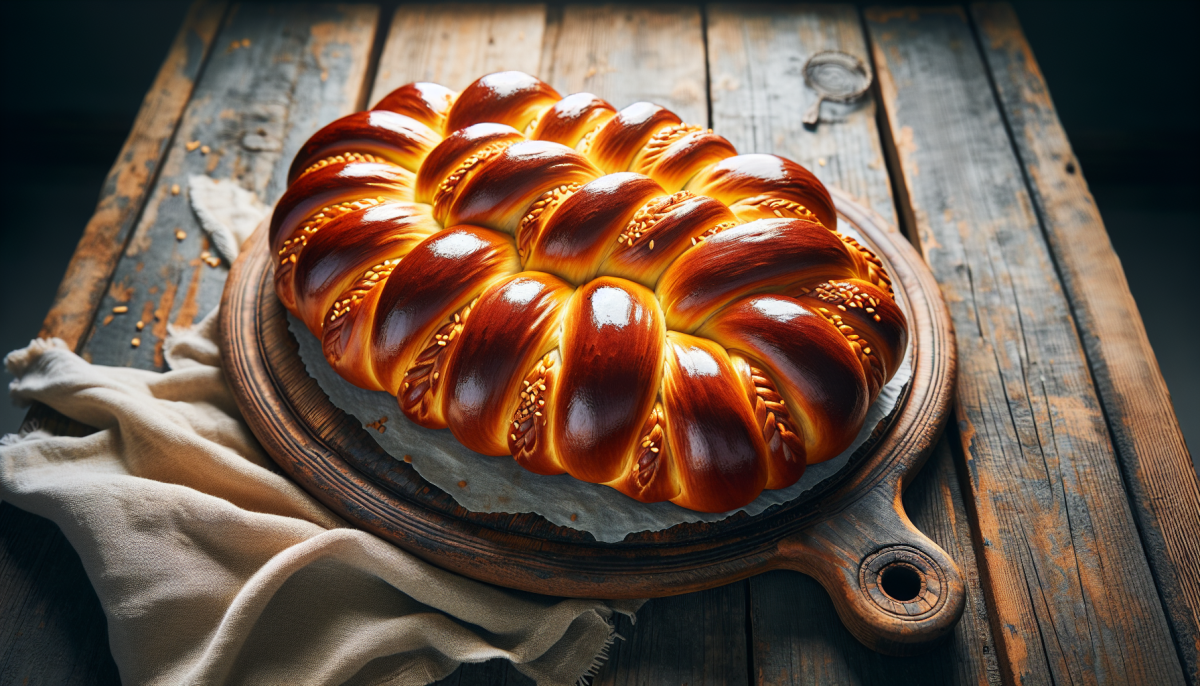
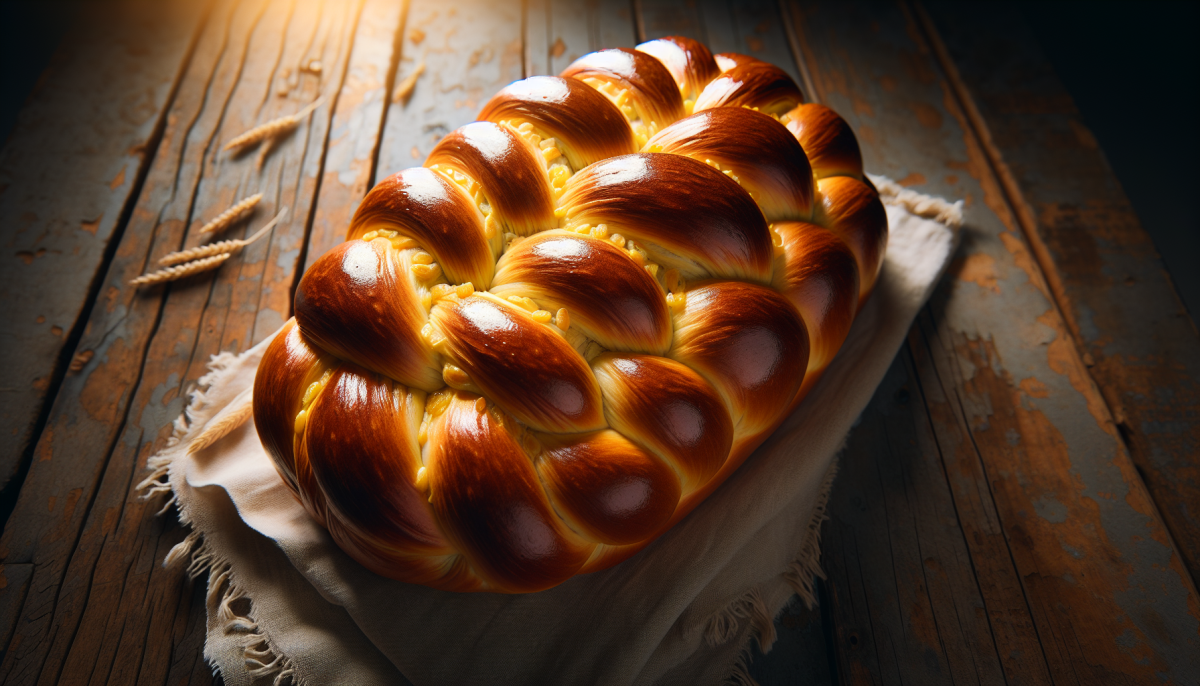
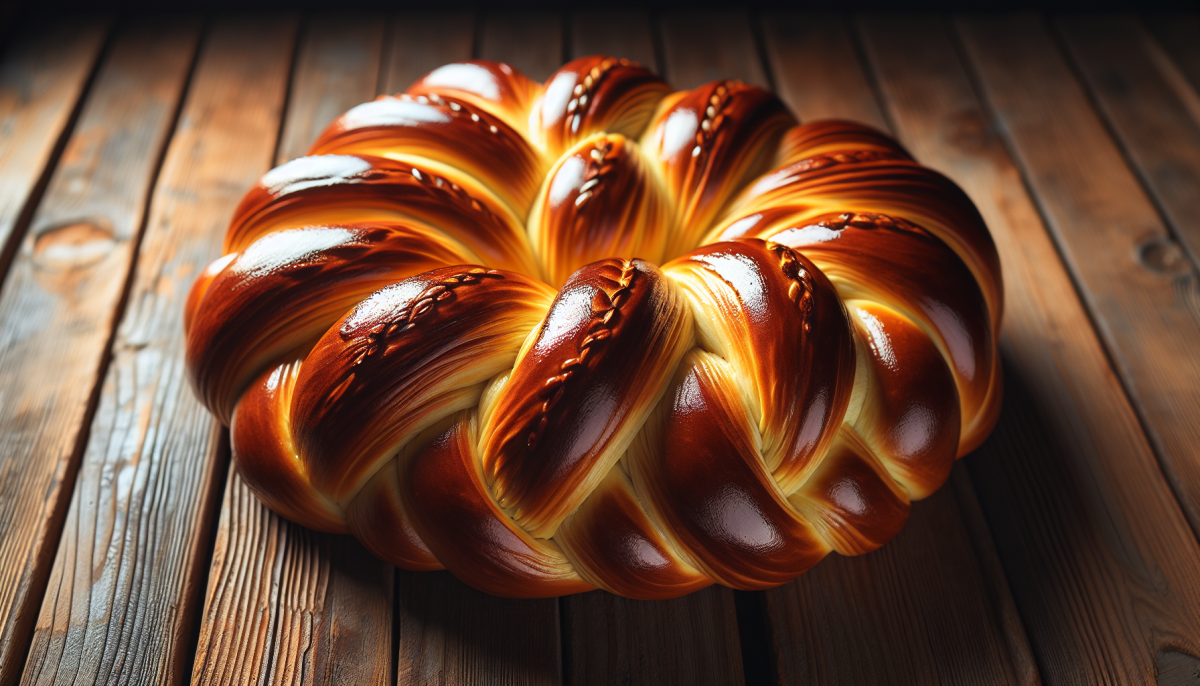
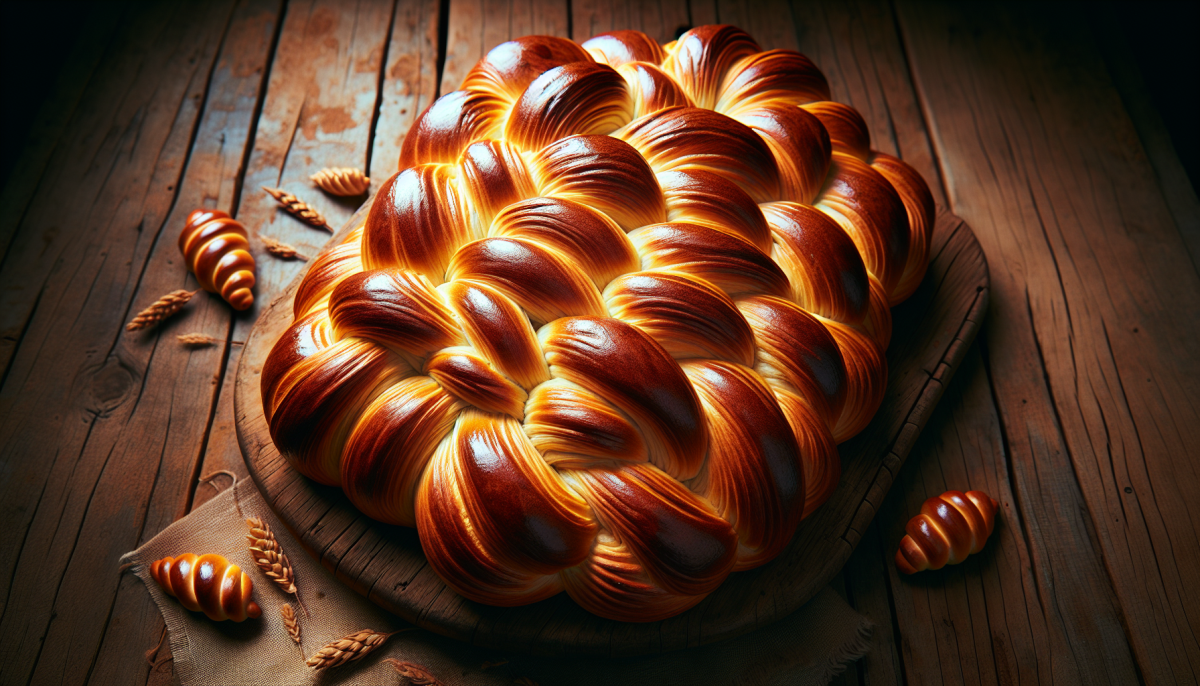
Apple Challah

✔ Pareve
Yield: 1 round loaf  |  Difficulty: Intermediate  |  Active Time: 45 min  |  Total Time: 4½ hours  |  Bracha: Hamotzi

This beloved recipe from the Jewish tradition brings authentic flavors to your home kitchen. Following the Kosher Bread Pro template with precise measurements, baker’s percentages, and detailed halachic guidance, this recipe ensures a perfect result every time.

Whether you’re an experienced baker or trying this for the first time, the step-by-step instructions and troubleshooting tips will guide you to success. Every ingredient is carefully chosen and every technique explained for reliable, delicious results.

Categories
Recipes

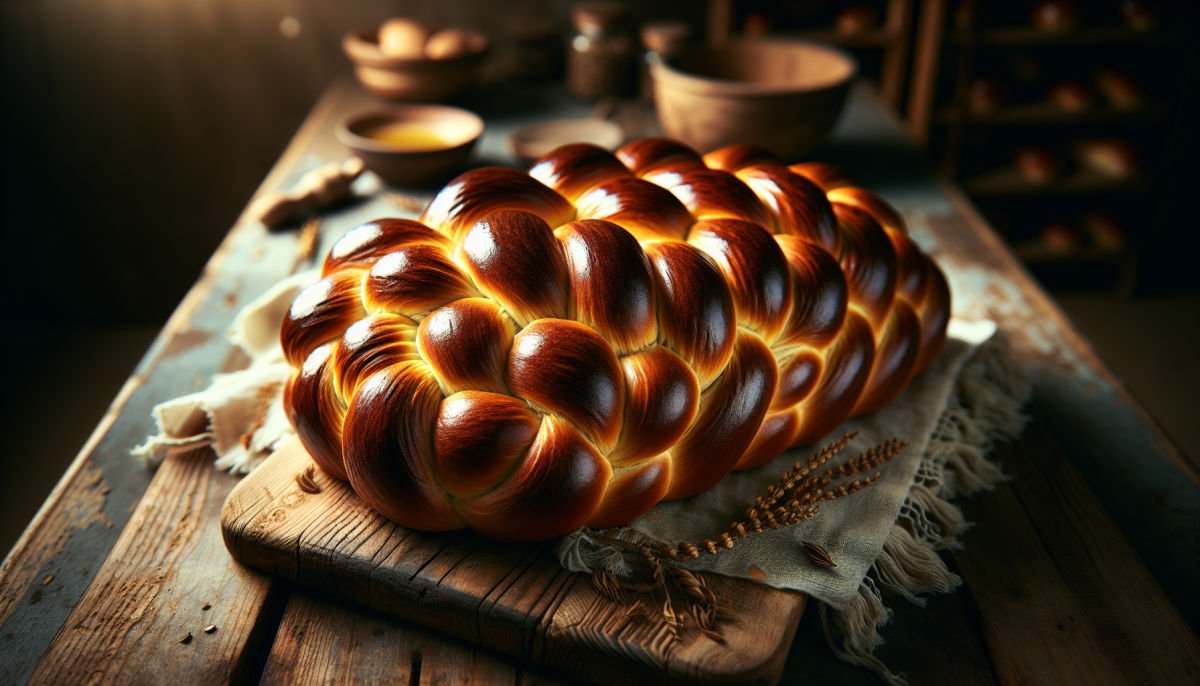
Chocolate Chip Challah

✔ Pareve
Yield: 1 large loaf  |  Difficulty: Intermediate  |  Active Time: 35 min  |  Total Time: 4 hours  |  Bracha: Hamotzi

This beloved recipe from the Jewish tradition brings authentic flavors to your home kitchen. Following the Kosher Bread Pro template with precise measurements, baker’s percentages, and detailed halachic guidance, this recipe ensures a perfect result every time.

Whether you’re an experienced baker or trying this for the first time, the step-by-step instructions and troubleshooting tips will guide you to success. Every ingredient is carefully chosen and every technique explained for reliable, delicious results.

Categories
Recipes

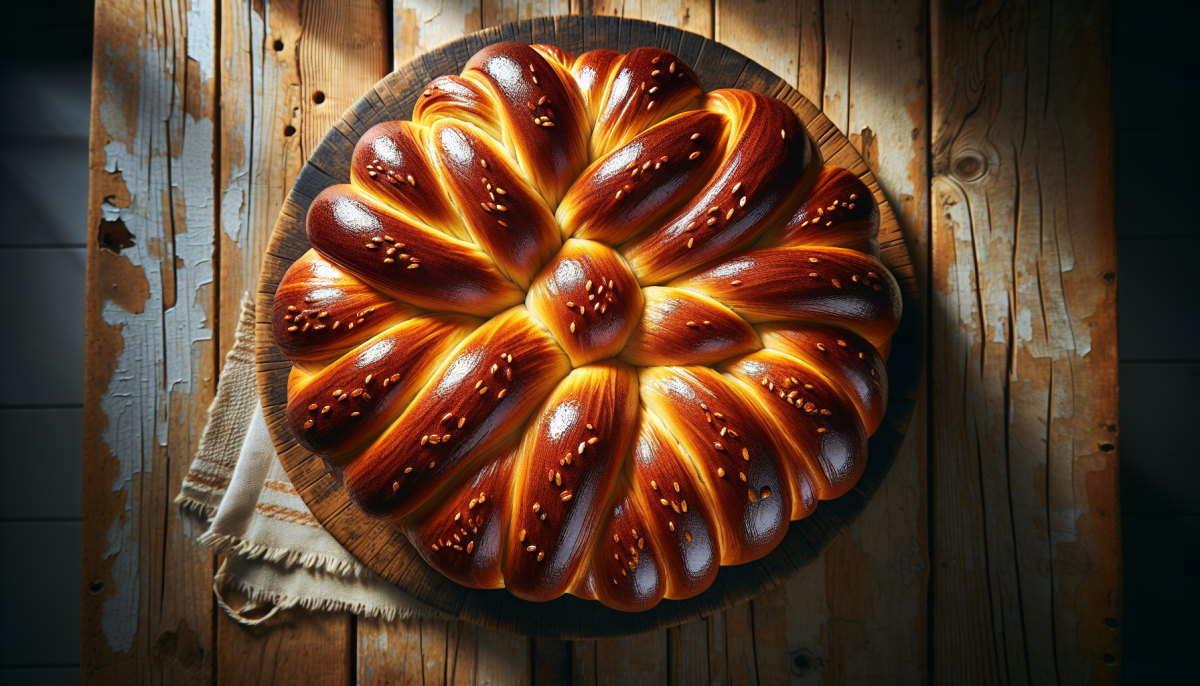
Sesame Challah

✔ Pareve
Yield: 1 large loaf  |  Difficulty: Intermediate  |  Active Time: 35 min  |  Total Time: 4 hours  |  Bracha: Hamotzi

This beloved recipe from the Jewish tradition brings authentic flavors to your home kitchen. Following the Kosher Bread Pro template with precise measurements, baker’s percentages, and detailed halachic guidance, this recipe ensures a perfect result every time.

Whether you’re an experienced baker or trying this for the first time, the step-by-step instructions and troubleshooting tips will guide you to success. Every ingredient is carefully chosen and every technique explained for reliable, delicious results.

Categories
Recipes

Spelt Challah

✔ Pareve
Yield: 1 large loaf  |  Difficulty: Intermediate  |  Active Time: 35 minutes  |  Total Time: 4 hours  |  Bracha: Hamotzi

Spelt is one of the five grains mentioned in the Talmud for the mitzvah of challah, making spelt challah not just a health-conscious choice but a deeply traditional one. This ancient grain produces a challah with a nutty, slightly sweet flavor and a tender crumb that’s easier to digest than modern wheat for many people.

The key to great spelt challah is gentle handling. Spelt’s gluten is more fragile than wheat’s, so shorter kneading times and careful shaping produce the best results. The reward is a challah with beautiful color, wonderful aroma, and a flavor complexity that regular flour simply cannot match.

Categories
Recipes

Seeded Challah

✔ Pareve
Yield: 1 large loaf  |  Difficulty: Intermediate  |  Active Time: 35 minutes  |  Total Time: 4 hours  |  Bracha: Hamotzi

Seeded challah brings together the golden, egg-enriched richness of traditional challah with a generous coating of mixed seeds—sesame, poppy, sunflower, and flax—creating a loaf that is both visually stunning and nutritionally enhanced. The seeds add a nutty crunch to every bite while the interior remains pillowy and soft.

This multi-seed variation has become a favorite in modern Jewish bakeries, appealing to health-conscious bakers who want the beauty and tradition of challah with added fiber, protein, and omega-3 fatty acids. The seeds toast during baking, becoming fragrant and deeply flavored, transforming a simple Shabbat bread into something extraordinary.

Categories
Recipes

Water Challah Recipe: Egg-Free Vegan Challah Bread

✔ Pareve
Yield: 1 large loaf  |  Difficulty: Easy–Intermediate  |  Active Time: 30 minutes  |  Total Time: 3½ hours  |  Bracha: Hamotzi

Water challah—challah made without eggs—has a long and respected history in Jewish baking, though it’s often overshadowed by its egg-enriched cousin. In many European Jewish communities, this was simply the challah: a lean, slightly sweet bread with a satisfying chew and a crust that shatters beautifully. Before eggs became affordable and abundant, water challah was the Friday night standard in homes across Poland, Lithuania, and Russia.

Today, water challah serves multiple purposes: it’s ideal for those with egg allergies, welcoming for vegan guests, and indispensable when you simply don’t have eggs on hand. But beyond accommodation, water challah is genuinely delicious in its own right. Without eggs softening and enriching the crumb, the wheat flavor comes through more clearly, the crust develops a more pronounced crackle, and the bread has a satisfying, slightly chewy texture that many bakers actually prefer.

The key to a great water challah is hydration and fat. Without eggs providing moisture and richness, the dough relies on water and oil to create tenderness. A slightly higher hydration level and a generous pour of oil produce a challah that is soft, braids beautifully, and develops a gorgeous golden crust when brushed with an oil-and-turmeric wash (the clever egg-free alternative to egg wash that gives the same warm color).

Categories
Recipes

Everything Bagel Challah Recipe: Modern Fusion Bread

✔ Pareve
Yield: 1 large loaf  |  Difficulty: Intermediate  |  Active Time: 40 minutes  |  Total Time: 4 hours  |  Bracha: Hamotzi

Two of the most iconic breads in Jewish baking—challah and the everything bagel—come together in a loaf that has taken the modern Jewish food world by storm. Everything bagel challah wraps the soft, rich, egg-enriched crumb of a classic challah in a crust encrusted with that irresistible mix of poppy seeds, sesame seeds, dried garlic, dried onion, and flaky salt. The result is a bread that bridges tradition and innovation, equally at home on a Shabbat table and a Sunday brunch spread.

The genius of this combination is in how the two elements complement each other. Challah dough is subtly sweet, tender, and pillowy—a perfect canvas for the savory, crunchy punch of everything seasoning. Where a traditional challah gets its flavor from eggs, oil, and a touch of honey, this version adds layers of allium, nuttiness, and salt that transform each bite into something addictive. It’s the kind of bread that disappears from the table before you’ve finished saying hamotzi.

The technique is straightforward: a classic challah dough, braided beautifully, then coated in a generous layer of everything seasoning that adheres to a tacky egg wash. The seasoning bakes into the crust, becoming aromatic and slightly toasted, while the interior stays cloud-soft. Make this once and it will become a permanent addition to your Shabbat rotation.

Categories
Recipes

Challah Rolls Recipe: Individual Shabbat Dinner Rolls

✔ Pareve
Yield: 12 rolls  |  Difficulty: Easy–Intermediate  |  Active Time: 40 minutes  |  Total Time: 3½ hours  |  Bracha: Hamotzi

There’s something undeniably charming about a basket of golden challah rolls gracing the Shabbat table. Each guest receives their own perfectly portioned roll—warm, soft, and fragrant with the same egg-enriched richness that makes a full-sized challah so beloved, but in a form that feels personal and special.

These individual challah rolls carry all the hallmarks of the classic loaf: a tender, slightly sweet crumb that pulls apart in gossamer layers, a burnished crust painted with egg wash, and that unmistakable aroma that signals the arrival of Shabbat. The difference is in the intimacy—each roll is its own small celebration, a personal portion that eliminates the need for slicing and ensures every seat at the table gets that coveted combination of crisp exterior and pillowy interior.

The shaping options are endlessly adaptable. A simple round knot creates an elegant presentation, while a three-strand mini braid delivers the traditional look in miniature. For holidays, you can shape them into small round spirals for Rosh Hashanah or elongated rolls for weekday use. Whatever the shape, the technique remains the same: a well-developed dough, gentle handling, and a generous brush of egg wash for that bakery-worthy shine.

Categories
Recipes

Tahini Challah Recipe: Modern Israeli Braided Bread

PareveDairy-Free • Contains Eggs • Contains Gluten
Yield1 large loaf
DifficultyIntermediate
Active Time30 minutes
Total Time4–5 hours
BrachaHaMotzi

Tahini challah is where ancient Jewish tradition meets modern Israeli flavor. Take the classic challah dough — enriched, eggy, slightly sweet — and weave through it a ribbon of tahini and date syrup (silan). The result is a bread that is unmistakably challah in form but entirely new in flavor: nutty, slightly bitter from the sesame, sweet and caramel-like from the dates, with a golden crust that carries the aroma of a Middle Eastern kitchen.

This recipe reflects the beautiful fusion happening in Israeli baking today, where Ashkenazi and Sephardic traditions meet and inspire each other. Challah is quintessentially Ashkenazi; tahini is quintessentially Middle Eastern. Together they create something that belongs to neither tradition alone but to the new, evolving food culture of Israel.

The tahini-date swirl runs through the braid, creating pockets of flavor that reveal themselves as you tear the bread apart. On Shabbat morning, each pull releases the scent of toasted sesame. It is a challah for people who love challah but want something unexpected.

For the classic version, see our Classic Challah. For another variation, try our Honey Challah.

Categories
Recipes

Kichel Recipe: Traditional Bow-Tie Sugar Cookies

Pareve
Dairy-Free • Contains Eggs • Contains Gluten
Yield~40 cookies
DifficultyEasy
Active Time20 minutes
Total Time1½ hours
BrachaMezonot

Kichel are the lightest, crispiest, most addictive cookies in the Ashkenazi repertoire — and they contain exactly four ingredients. Flour, eggs, oil, and sugar. That is all. No butter, no leavening, no vanilla. Just a simple dough rolled impossibly thin, cut into rectangles, twisted into bow-ties, and baked until they puff, blister, and turn golden. The result is a cookie that shatters at first bite, dissolves on the tongue, and leaves nothing but sweetness behind.

Kichel (pronounced “KIH-khul,” from the Yiddish for “little cake”) were the kiddush cookie — the ones set out on platters at every Shabbat morning kiddush in every Ashkenazi synagogue from Warsaw to Williamsburg. They are the cookies of simchas and shivas, of afternoon tea and midnight snacking. They cost almost nothing to make, keep for weeks, and disappear faster than any other cookie on the table.

The secret to great kichel is in the rolling: the dough must be stretched paper-thin, almost translucent. When baked, this thin dough puffs dramatically, creating airy, blistered layers that are more cracker than cookie, more air than substance. Roll them thick and you get a dense, doughy disappointment. Roll them thin and you get magic.

Serve alongside our Mandelbrot and Rugelach for the ultimate Ashkenazi cookie platter.