Categories
Recipes

Spelt Challah

✔ Pareve
Yield: 1 large loaf  |  Difficulty: Intermediate  |  Active Time: 35 minutes  |  Total Time: 4 hours  |  Bracha: Hamotzi

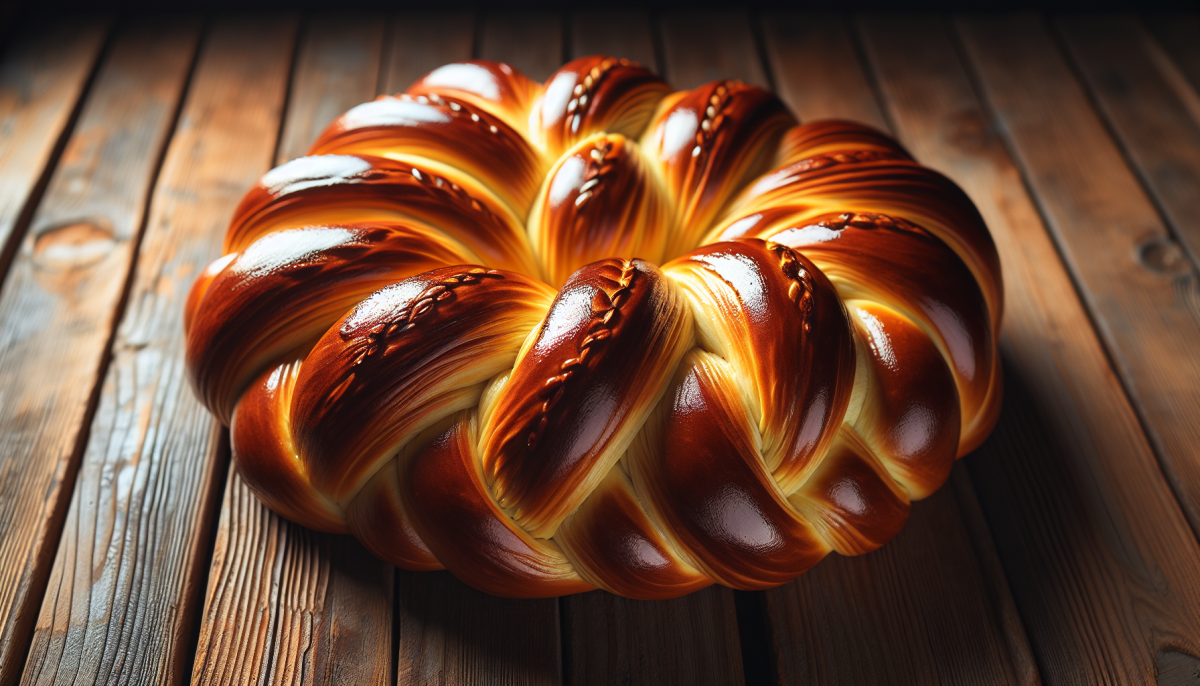
Spelt is one of the five grains mentioned in the Talmud for the mitzvah of challah, making spelt challah not just a health-conscious choice but a deeply traditional one. This ancient grain produces a challah with a nutty, slightly sweet flavor and a tender crumb that’s easier to digest than modern wheat for many people.

The key to great spelt challah is gentle handling. Spelt’s gluten is more fragile than wheat’s, so shorter kneading times and careful shaping produce the best results. The reward is a challah with beautiful color, wonderful aroma, and a flavor complexity that regular flour simply cannot match.

Categories
Recipes

Seeded Challah

✔ Pareve
Yield: 1 large loaf  |  Difficulty: Intermediate  |  Active Time: 35 minutes  |  Total Time: 4 hours  |  Bracha: Hamotzi

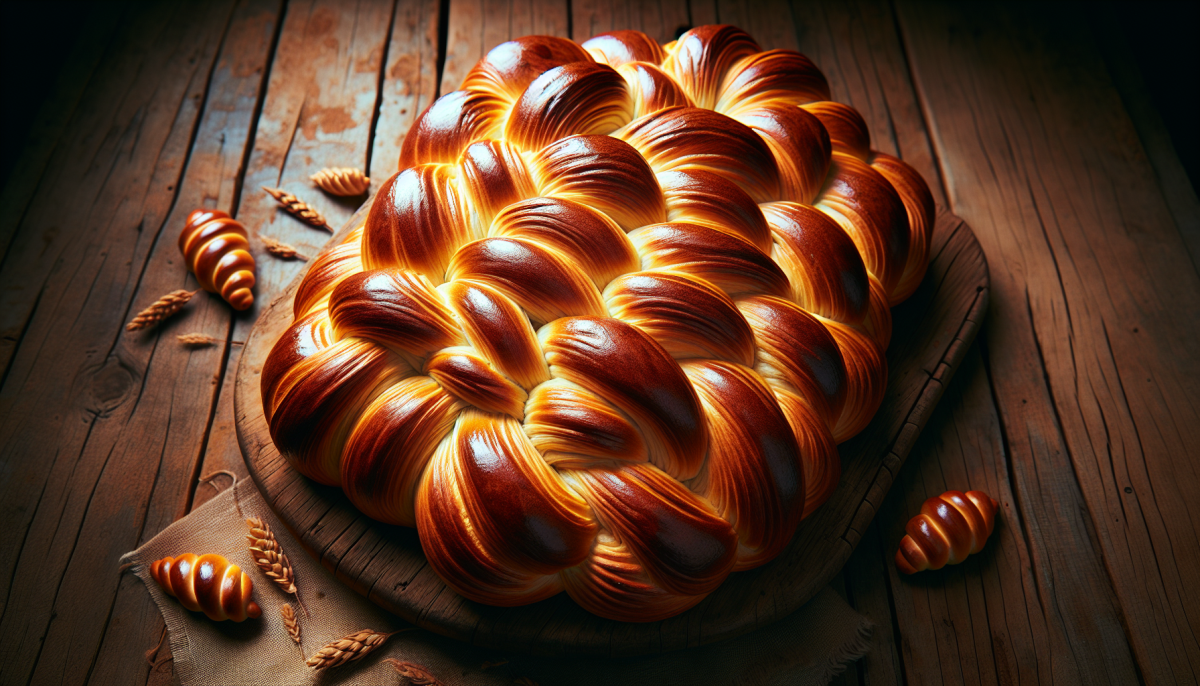
Seeded challah brings together the golden, egg-enriched richness of traditional challah with a generous coating of mixed seeds—sesame, poppy, sunflower, and flax—creating a loaf that is both visually stunning and nutritionally enhanced. The seeds add a nutty crunch to every bite while the interior remains pillowy and soft.

This multi-seed variation has become a favorite in modern Jewish bakeries, appealing to health-conscious bakers who want the beauty and tradition of challah with added fiber, protein, and omega-3 fatty acids. The seeds toast during baking, becoming fragrant and deeply flavored, transforming a simple Shabbat bread into something extraordinary.

Categories
Recipes

Cheese Bourekas Recipe: Savory Sephardic Pastry

🧀 Dairy
Yield: 16 bourekas  |  Difficulty: Intermediate  |  Active Time: 45 minutes  |  Total Time: 3 hours  |  Bracha: Mezonot

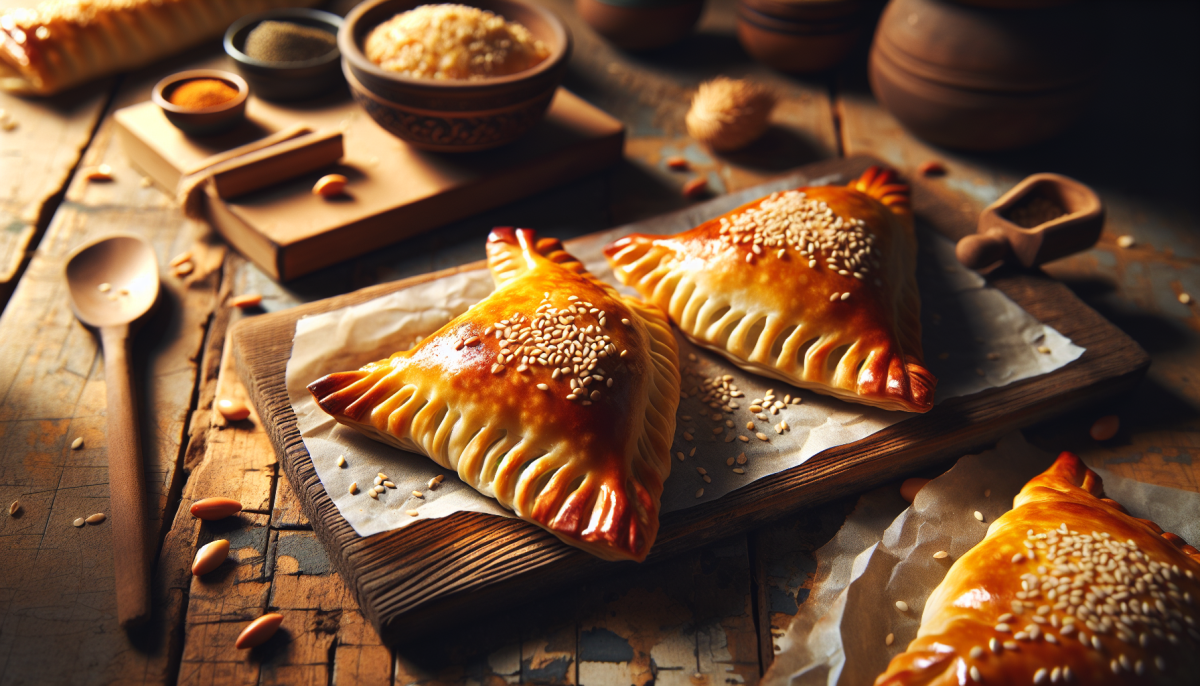
Cheese bourekas are the undisputed king of Israeli breakfast—flaky, golden pastry parcels bursting with a savory, tangy cheese filling that has been satisfying Sephardic and Mizrahi Jews for generations. Walk into any Israeli bakery on a Friday morning and the first thing you’ll see is a gleaming tray of bourekas, their sesame-topped surfaces glistening with egg wash, served with a hard-boiled egg and a dish of pickles on the side.

The bourekas tradition traveled with Sephardic Jews from the Ottoman Empire to Israel, where it became one of the most iconic foods of the nation. In Turkey, Greece, and the Balkans, Jewish communities developed their own variations: triangular for cheese (so you could identify the filling by shape), spiral for spinach, and rectangular for potato. This identification system was practical in communities where dairy and meat needed to be clearly distinguished, and it persists in Israeli bakeries to this day.

These cheese bourekas feature a homemade flaky dough (easier than you think) wrapped around a filling of crumbled feta, ricotta, and fresh herbs. The dough uses a simple oil-based lamination technique that creates dozens of flaky layers without the complexity of traditional puff pastry. The result is a boureka with a crust that shatters audibly when you bite through it, revealing a warm, creamy, tangy cheese interior that is absolutely irresistible.

Categories
Recipes

Apple Strudel Recipe: Classic Jewish Bakery Pastry

✔ Pareve
Yield: 1 large strudel (10 slices)  |  Difficulty: Advanced  |  Active Time: 1 hour  |  Total Time: 2½ hours  |  Bracha: Mezonot

Apple strudel is one of the great achievements of Ashkenazi Jewish baking—a paper-thin sheet of hand-stretched dough rolled around a filling of spiced, caramelized apples and toasted breadcrumbs, then baked until the pastry shatters into a thousand golden, flaky layers. It’s the kind of baking that requires skill, patience, and a clean kitchen towel, and the result is something that no store-bought version can approach.

The strudel tradition came to Jewish bakeries through the Austro-Hungarian Empire, where Viennese Apfelstrudel was the queen of pastries. Jewish bakers adapted it by replacing butter with oil, creating a pareve version that could be served after meat meals. The hand-stretched dough—pulled so thin you can read a newspaper through it—became a point of pride among Jewish grandmothers, a skill passed down through generations and demonstrated with theatrical flair at family gatherings.

Making strudel dough from scratch is an exercise in trust. The high-gluten dough, rested until relaxed and extensible, is stretched by hand over a tablecloth until it becomes nearly transparent. Rolled around a fragrant filling of tart apples, sugar, cinnamon, golden raisins, and toasted breadcrumbs (which absorb the apple juices and prevent sogginess), the strudel bakes into a pastry that crackles at the touch and reveals layer upon delicate layer within.

Categories
Recipes

Water Challah Recipe: Egg-Free Vegan Challah Bread

✔ Pareve
Yield: 1 large loaf  |  Difficulty: Easy–Intermediate  |  Active Time: 30 minutes  |  Total Time: 3½ hours  |  Bracha: Hamotzi

Water challah—challah made without eggs—has a long and respected history in Jewish baking, though it’s often overshadowed by its egg-enriched cousin. In many European Jewish communities, this was simply the challah: a lean, slightly sweet bread with a satisfying chew and a crust that shatters beautifully. Before eggs became affordable and abundant, water challah was the Friday night standard in homes across Poland, Lithuania, and Russia.

Today, water challah serves multiple purposes: it’s ideal for those with egg allergies, welcoming for vegan guests, and indispensable when you simply don’t have eggs on hand. But beyond accommodation, water challah is genuinely delicious in its own right. Without eggs softening and enriching the crumb, the wheat flavor comes through more clearly, the crust develops a more pronounced crackle, and the bread has a satisfying, slightly chewy texture that many bakers actually prefer.

The key to a great water challah is hydration and fat. Without eggs providing moisture and richness, the dough relies on water and oil to create tenderness. A slightly higher hydration level and a generous pour of oil produce a challah that is soft, braids beautifully, and develops a gorgeous golden crust when brushed with an oil-and-turmeric wash (the clever egg-free alternative to egg wash that gives the same warm color).

Categories
Recipes

Olive Oil Focaccia Recipe: Sephardic-Inspired Flatbread

✔ Pareve
Yield: 1 large focaccia (12 pieces)  |  Difficulty: Easy  |  Active Time: 20 minutes  |  Total Time: 4 hours (includes rising)  |  Bracha: Hamotzi

Focaccia and Jewish baking may seem like an unexpected pairing, but the connection runs deep. The Sephardic Jewish communities of Italy—who thrived in Livorno, Venice, Rome, and throughout the Italian peninsula for over five hundred years—made olive oil breads an integral part of their culinary tradition. Italian Jewish cooking, one of the oldest continuous Jewish food traditions in Europe, embraced the local ingredients of the Mediterranean: olive oil, rosemary, sea salt, and the kind of slow-fermented wheat breads that define Italian baking at its best.

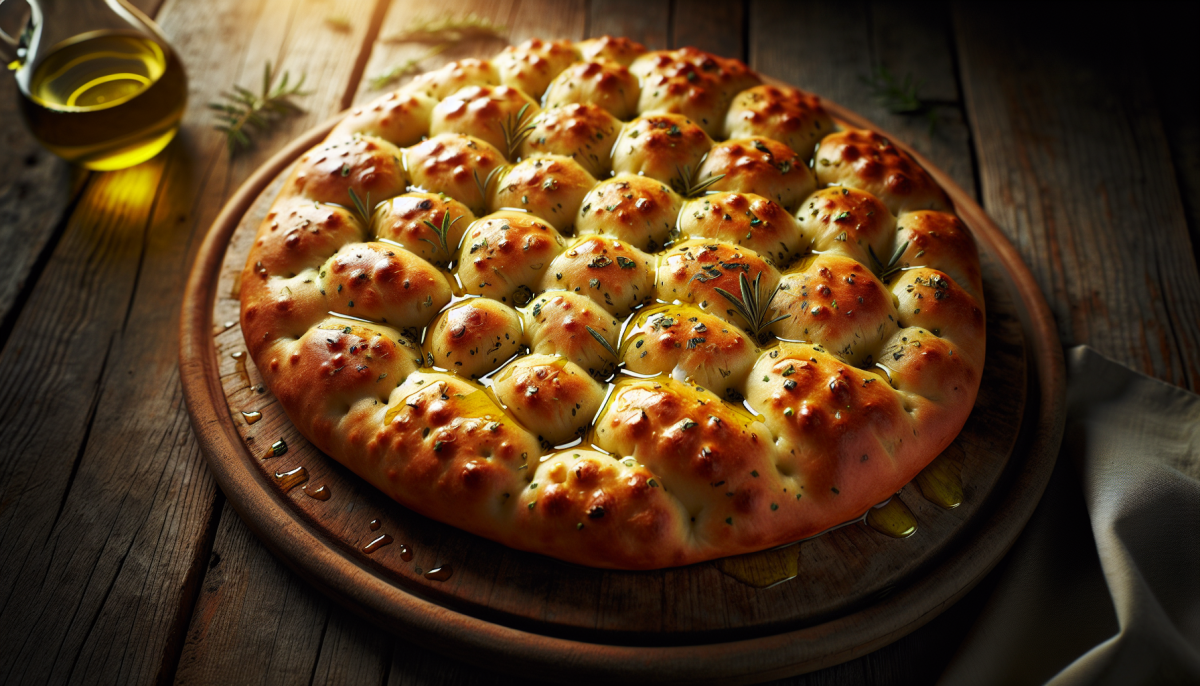
This focaccia is an expression of that Sephardic Italian heritage. The dough is extraordinarily simple—flour, water, yeast, salt, and generous amounts of extra virgin olive oil—but the technique of long fermentation and patient dimpling produces a bread with a golden, crispy exterior, a cloud-soft interior, and deep wells that pool with olive oil and catch crystals of flaky salt. It’s the kind of bread that converts people who thought they didn’t like baking into devoted home bakers.

What makes this focaccia special is its versatility. Serve it plain alongside a bowl of hummus for a pareve meal, top it with za’atar for a Middle Eastern twist, or dimple cherry tomatoes and olives into the surface for a show-stopping centerpiece. It’s equally at home on a Shabbat table, at a weeknight dinner, or as the foundation for a spectacular sandwich.

Categories
Recipes

Date Ma’amoul Recipe: Levantine Jewish Filled Cookies

✔ Pareve
Yield: 24 cookies  |  Difficulty: Intermediate  |  Active Time: 1 hour  |  Total Time: 2½ hours  |  Bracha: Mezonot

Ma’amoul are the jewels of Levantine Jewish baking—delicate, crumbly cookies made from semolina and flour, filled with a luscious paste of dates, cinnamon, and cardamom, then shaped by hand or pressed into ornate wooden molds that give each cookie its distinctive patterned surface. These cookies have graced the tables of Syrian, Lebanese, Iraqi, and Egyptian Jewish communities for centuries, served at celebrations, holidays, and as a gesture of hospitality.

The ma’amoul tradition runs deep in Sephardic and Mizrahi Jewish communities. In Aleppo, families of bakers prepared thousands of these cookies for Purim, filling them with dates, walnuts, or pistachios. In Baghdad, ma’amoul filled with dates were a staple for Shabbat. In Cairo, they appeared at every simcha (celebration). The art of making ma’amoul was passed from mother to daughter, and the wooden molds (tabi) were treasured family heirlooms, their carved patterns as distinctive as fingerprints.

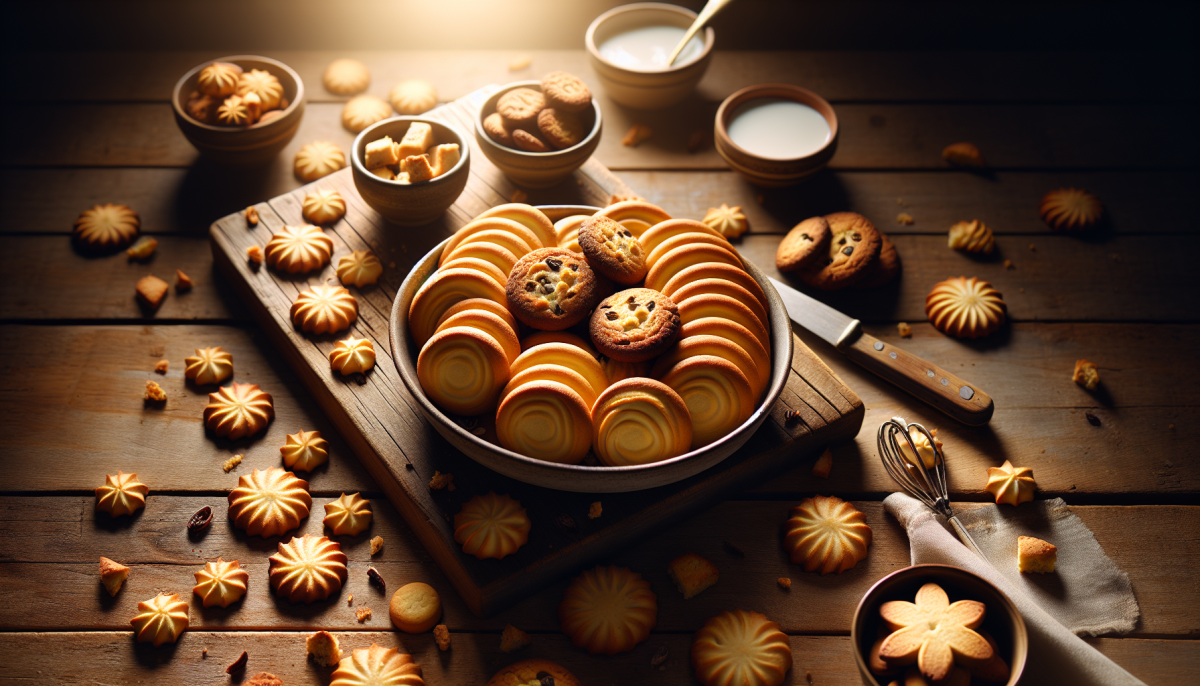
This recipe focuses on the most classic filling: dates. Medjool dates, processed into a smooth paste and perfumed with cinnamon, cardamom, and a whisper of orange blossom water, are encased in a tender semolina shell that shatters on first bite and melts on the tongue. The contrast between the sandy, buttery exterior and the sticky-sweet, spiced interior is what makes ma’amoul one of the most addictive cookies in the Jewish baking repertoire.


Categories
Recipes

Black and White Cookies Recipe: NYC Jewish Bakery Classic

✔ Pareve
Yield: 12 large cookies  |  Difficulty: Intermediate  |  Active Time: 45 minutes  |  Total Time: 2 hours  |  Bracha: Mezonot

The black and white cookie is as New York as the Brooklyn Bridge and as Jewish as a Sunday morning at Zabar’s. Half-moon of vanilla fondant, half-moon of chocolate—this oversized, cake-like cookie has been a fixture in Jewish bakeries, delis, and appetizing shops across the five boroughs since the early 20th century. It’s the cookie that launched a thousand Seinfeld references, the one Jerry called “the symbol of racial harmony”—two colors coming together on a single cookie.

The origins of the black and white trace back to the German and Eastern European Jewish bakers who established themselves in New York in the late 1800s. Known as Halbmonde (half-moons) in German baking tradition, these cookies were adapted by Jewish bakeries like Glaser’s, Zabar’s, and William Greenberg to become something distinctly New York. The key is in the base: not a crunchy cookie but a soft, cakey round that’s really more of an individually portioned sponge—tender, lemony, and yielding.

A truly great black and white cookie has three non-negotiable qualities: the base must be soft and cake-like (never crunchy), the fondant icing must be smooth and just-set (not dry or chalky), and the dividing line between black and white must be crisp and clean. This recipe delivers all three, with a pareve formula that makes these cookies suitable for any occasion—from a Shabbat kiddush spread to a weeknight treat.

Categories
Recipes

Honey Cake Recipe (Lekach): Traditional Rosh Hashanah Cake

✔ Pareve
Yield: 1 loaf (12 slices)  |  Difficulty: Easy  |  Active Time: 20 minutes  |  Total Time: 1½ hours  |  Bracha: Mezonot

Honey cake—lekach in Yiddish—is the taste of the Jewish New Year. Every Rosh Hashanah table across the Ashkenazi world features this dark, deeply spiced, honey-soaked cake, its sweetness a prayer made edible: may the coming year be as sweet as this slice. The tradition of eating honey cake at Rosh Hashanah stretches back centuries, and the best versions are not merely sweet but complex—warm with cinnamon and allspice, bitter-edged with strong coffee, and fragrant with the floral depth of good honey.

The great secret of exceptional lekach is that it improves with time. Baked a day or two before Rosh Hashanah, the cake becomes more moist and the flavors deepen as the honey continues to hydrate the crumb. Many Jewish grandmothers insisted on baking their honey cake at least three days ahead, wrapping it tightly and letting it mature. This patience is rewarded with a cake that is almost impossibly moist, with a texture closer to a sticky toffee pudding than a typical American cake.

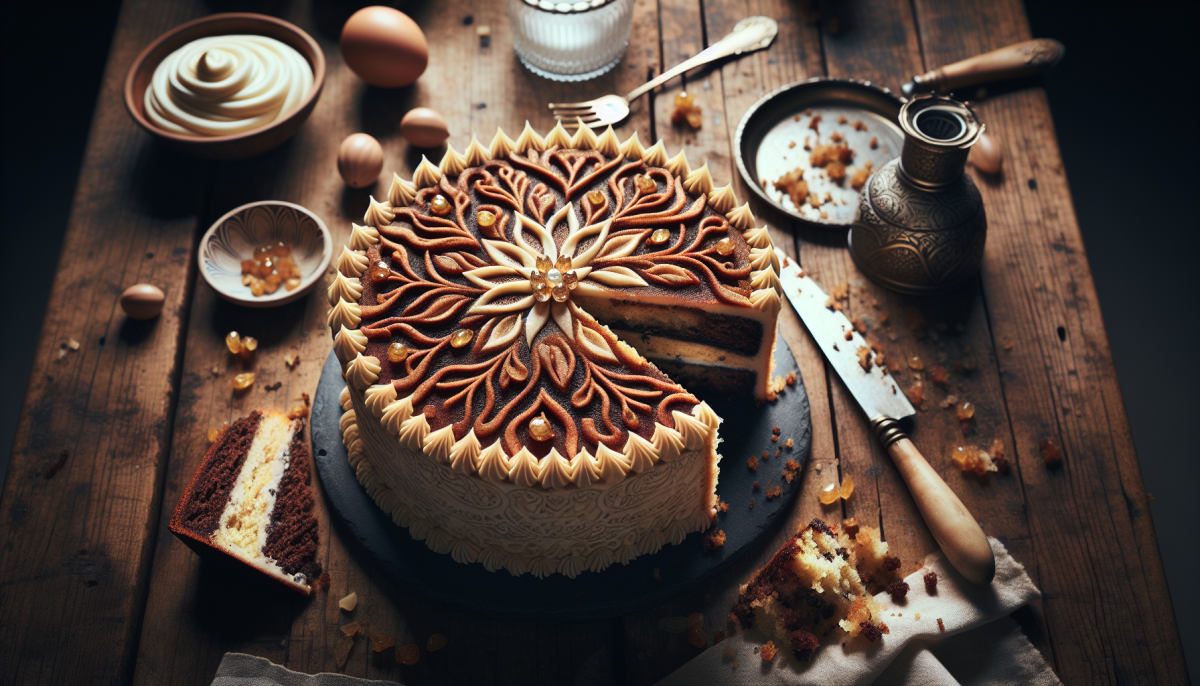
This recipe produces the definitive lekach: tall, dark, and handsome in its loaf pan, with a crumb that is moist enough to eat with your fingers yet sturdy enough to slice cleanly. The combination of coffee and honey creates a flavor that is sophisticated and deeply satisfying—sweet without being cloying, spiced without being heavy. It’s the cake that says Shanah Tovah in every bite.

Categories
Recipes

Matzo Recipe: Homemade Kosher Unleavened Bread

✔ Pareve
Yield: 8 matzot  |  Difficulty: Intermediate  |  Active Time: 30 minutes  |  Total Time: 45 minutes  |  Bracha: Hamotzi (during Pesach, the mitzvah bracha is also said)

Matzo is the most ancient and symbolically rich bread in Jewish tradition—a flat, unleavened cracker that has connected the Jewish people to the story of the Exodus for over three thousand years. Every Pesach, we eat matzo to remember that when our ancestors fled Egypt, they left in such haste that their bread had no time to rise. That urgency is built into the very process of making matzo: from the moment water touches flour, you have exactly 18 minutes to mix, roll, perforate, and bake before the dough is considered chametz (leavened).

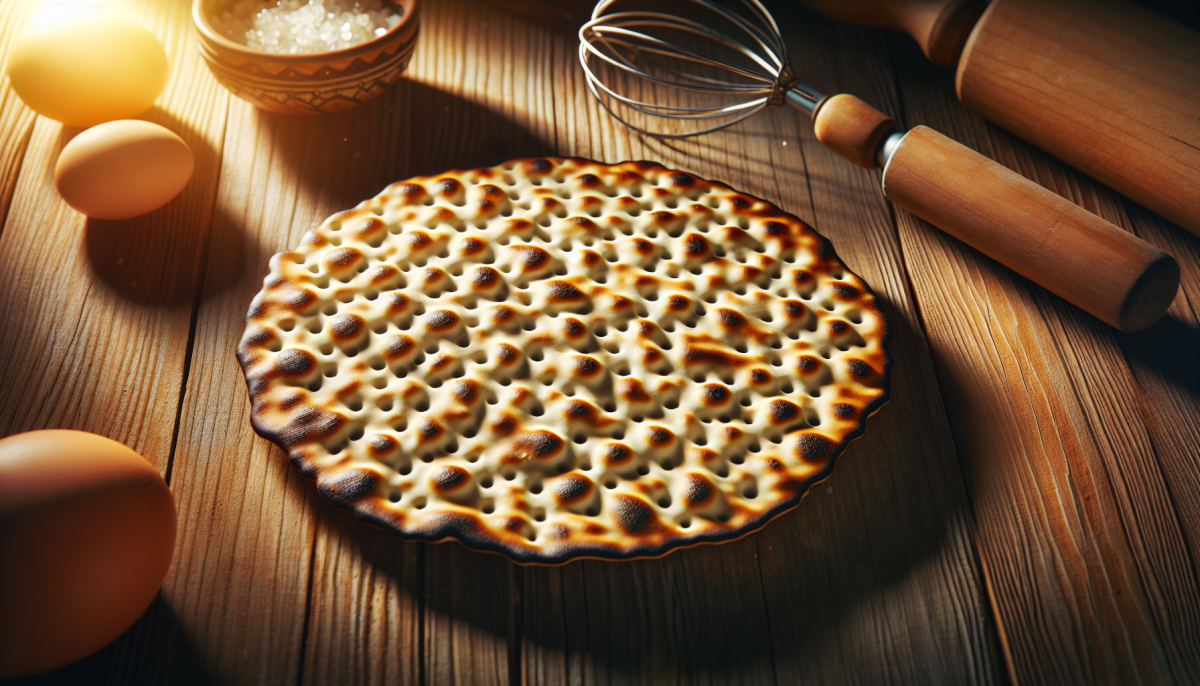
Making matzo at home is a profound experience. The speed and intentionality required—working with focus, moving quickly from mixing bowl to oven—transforms a simple act of baking into something almost meditative. The result is remarkably different from the machine-made matzot most of us grew up with: handmade matzo (shmura matzo) has irregular edges, charred bubbles, and a flavor that is wheaty, slightly smoky, and deeply satisfying.

While shmura matzo for the Seder is typically purchased from certified bakeries where every step is supervised, making matzo at home is a wonderful educational and spiritual activity for the weeks before Pesach. It connects you physically to the mitzvah and teaches the 18-minute principle in a way no textbook can. Whether you use your homemade matzo for the Seder or as a pre-Pesach family activity, the process itself is the reward.