Categories
Recipes

Challah Breadsticks

Pareve
Dairy-Free • Contains Eggs • Contains Gluten
Yield24 breadsticks
DifficultyBeginner
Active Time25 minutes
Total Time2½ hours
BrachaHaMotzi

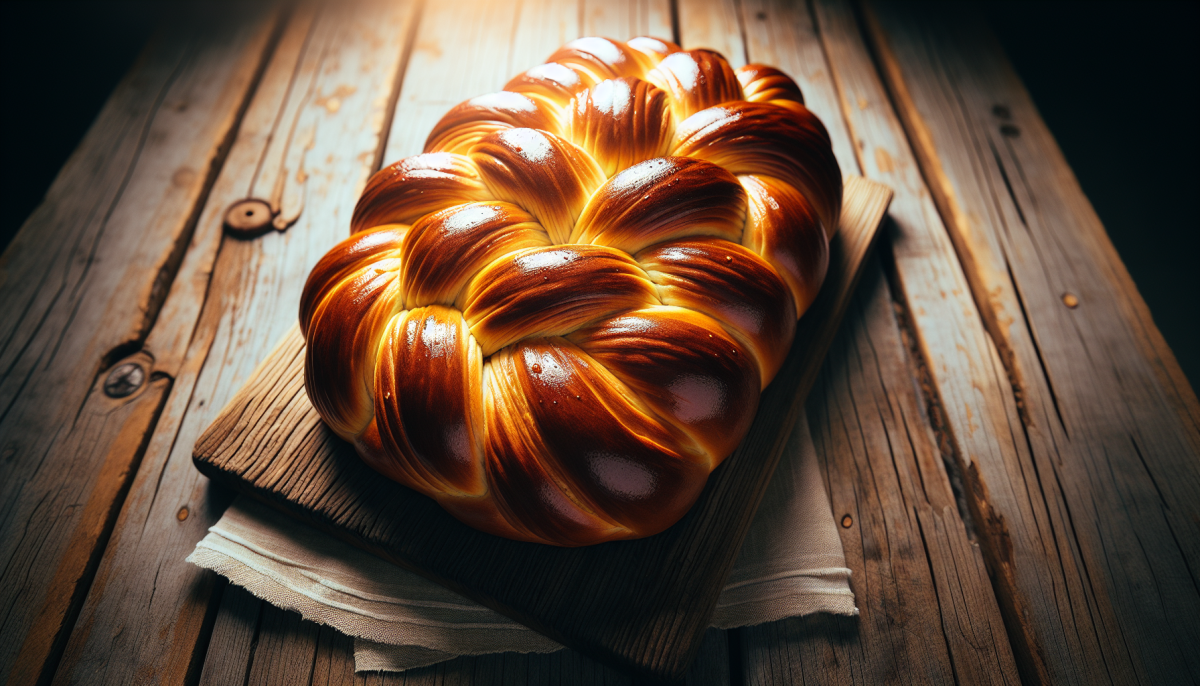
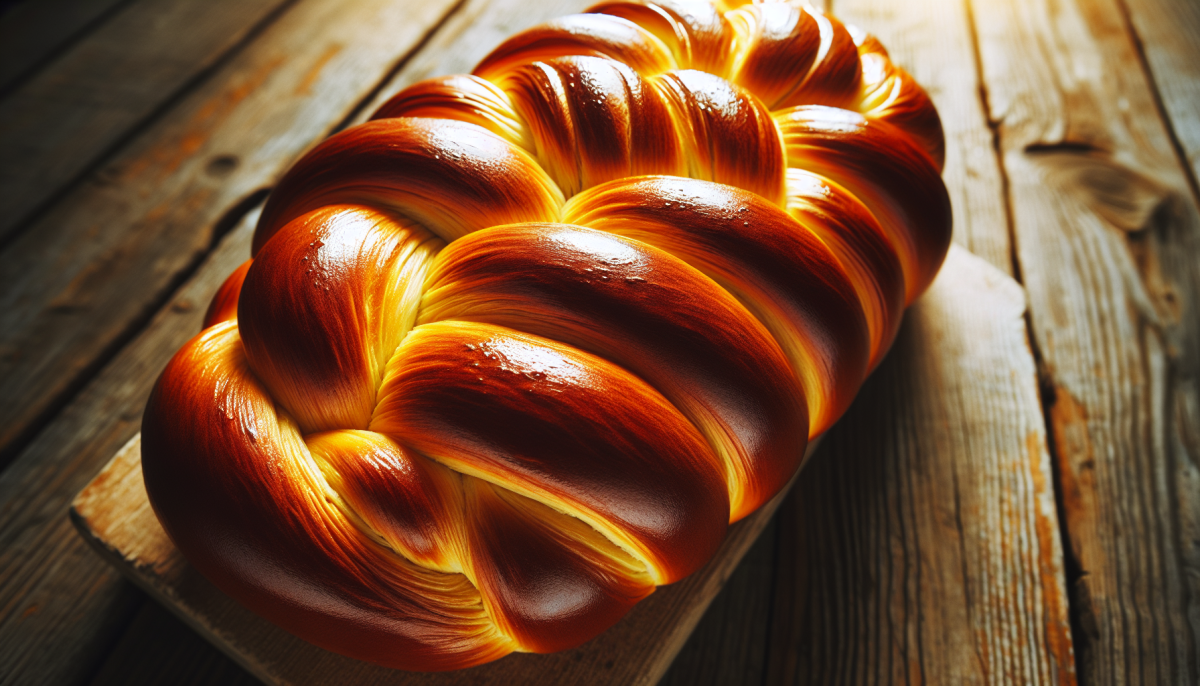
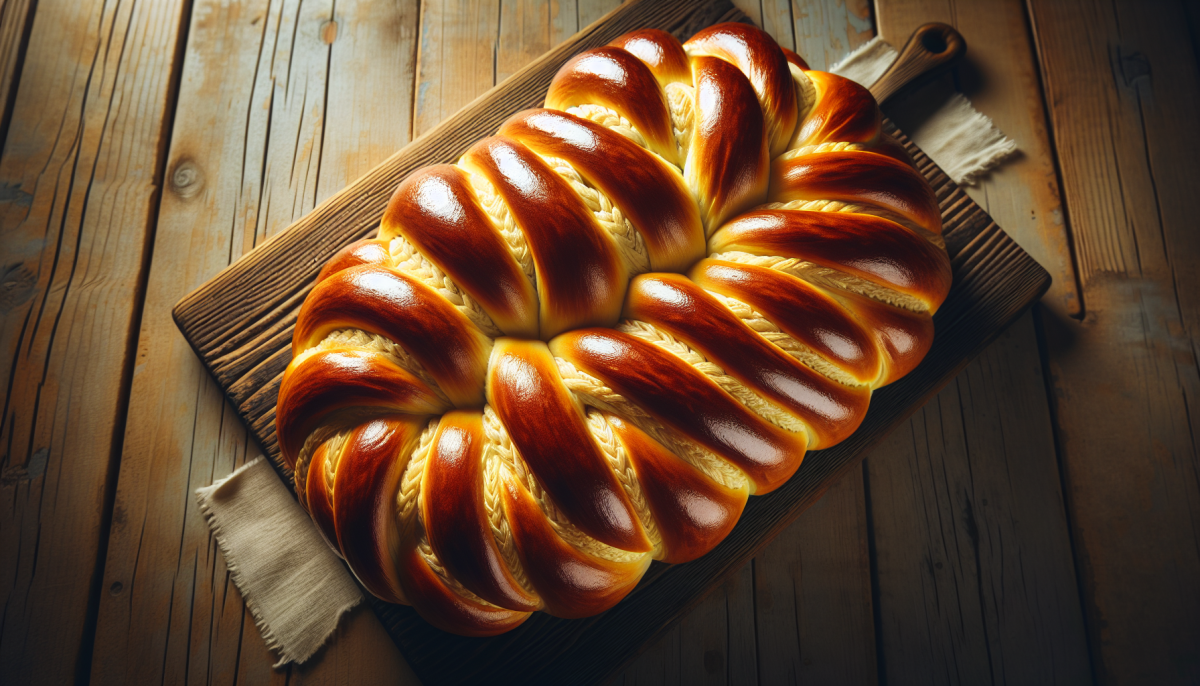
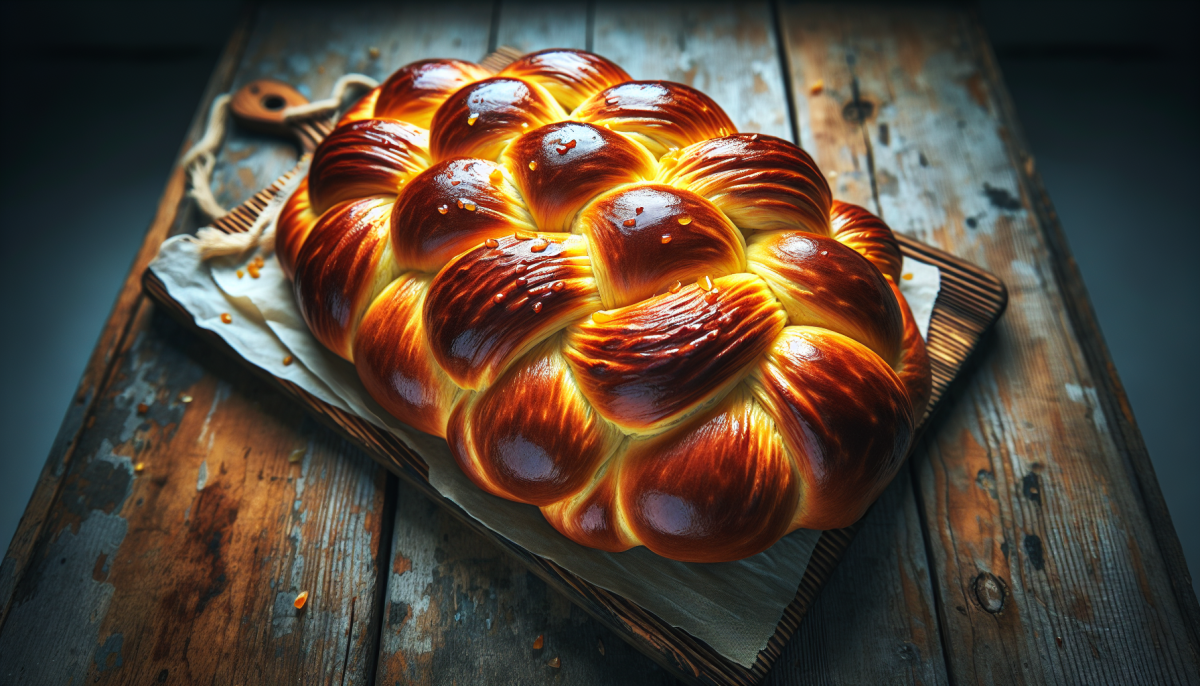
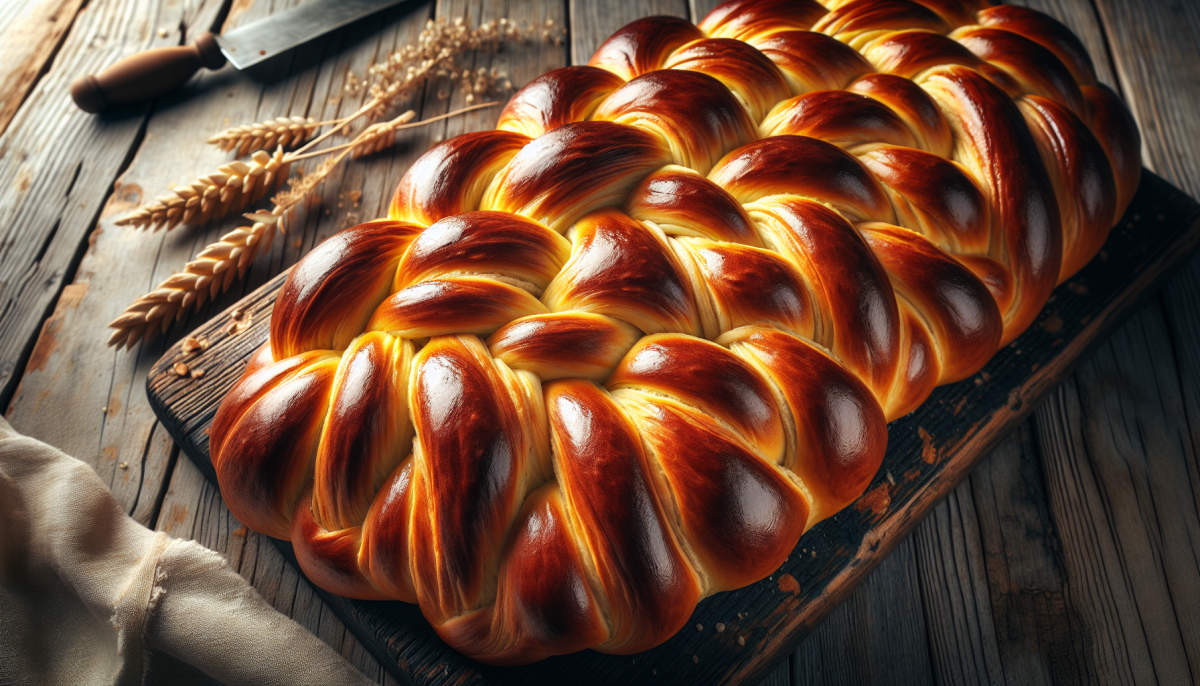
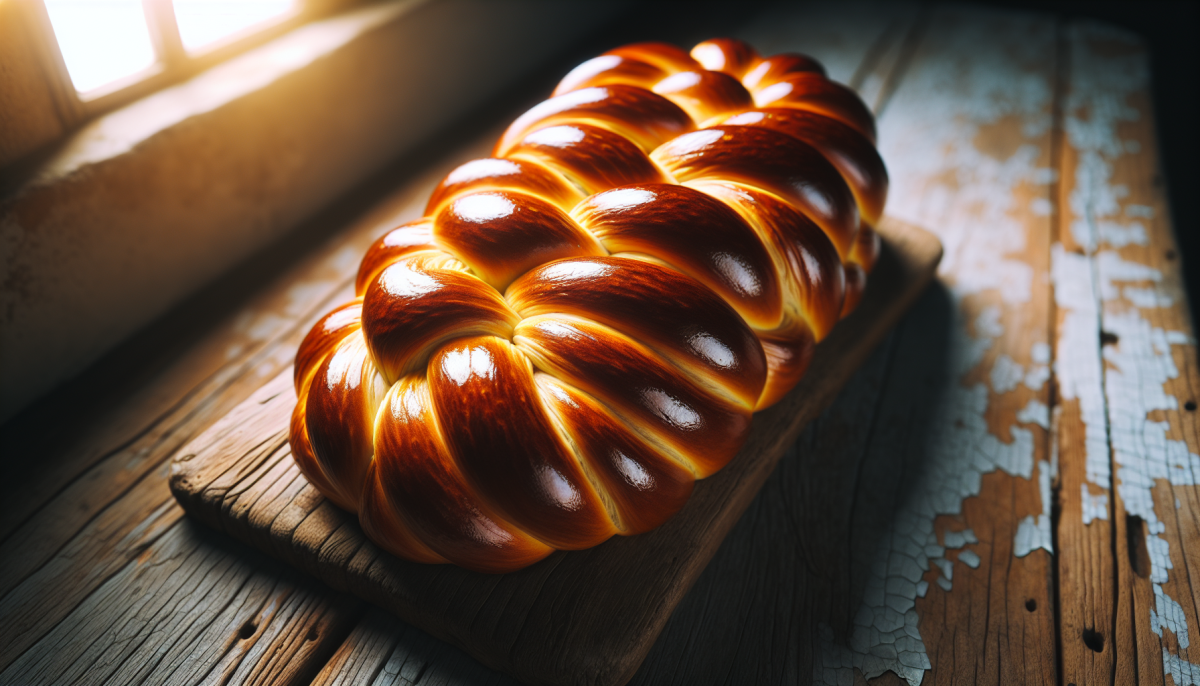
Challah breadsticks transform the Shabbat bread you love into crispy, golden sticks perfect for dipping. Using the same enriched challah dough, rolled thin and baked until crackling crisp on the outside yet tender within, these breadsticks are the appetizer that every Shabbat dinner is missing.

Think of them as challah reimagined — all the honeyed, eggy richness of traditional challah compressed into elegant sticks rolled in sesame seeds, za’atar, or everything bagel seasoning. They are the bridge between bread basket and first course, equally at home with hummus, matbucha, or a bowl of chicken soup.

The best part? They come together faster than braided challah. No braiding, no shaping anxiety, no worrying about symmetry. Just roll, twist, and bake.

Categories
Recipes

Rogaliki (Russian Jewish Crescent Cookies)

Dairy
Contains Dairy • Contains Eggs • Contains Gluten
Yield48 cookies
DifficultyIntermediate
Active Time50 minutes
Total Time3 hours
BrachaMezonot

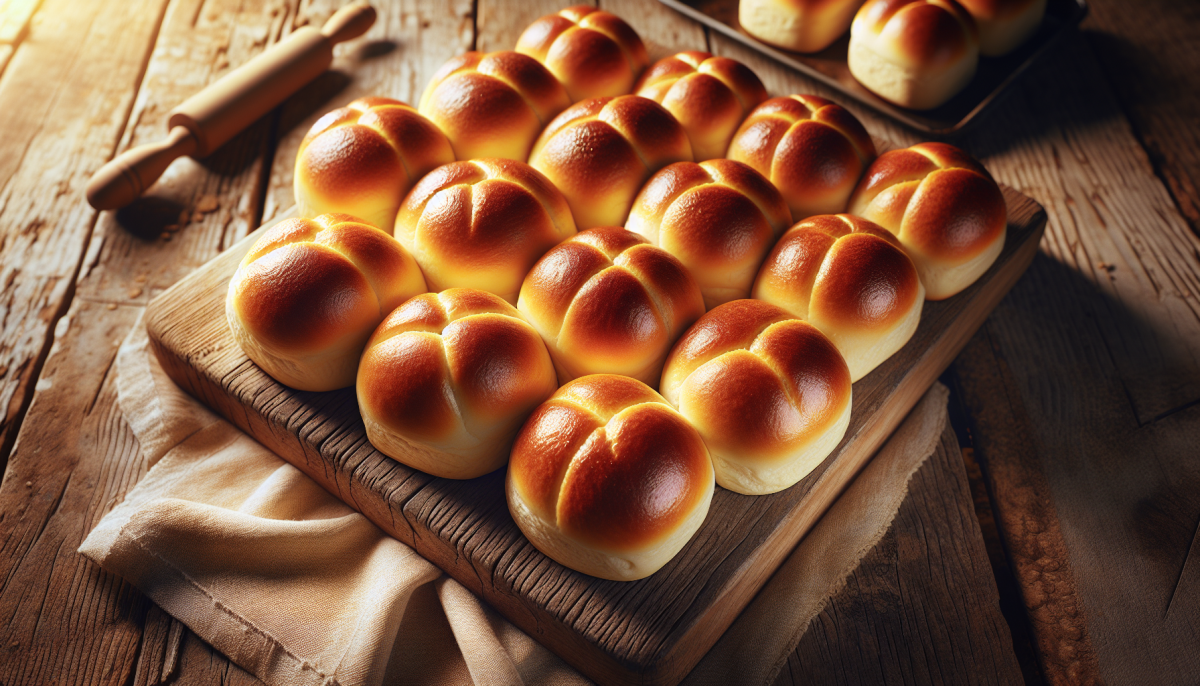
Rogaliki are the crescent-shaped cookies that Russian and Polish Jewish grandmothers shaped by the dozens. Each tiny crescent — no bigger than your thumb — wraps a tender cream cheese dough around a sweet filling of jam, walnuts, or poppy seeds. They are the kind of cookie that disappears from the plate before you realize you have eaten six.

The name comes from the Slavic word for “little horns,” describing their curved crescent shape. In Jewish communities from Moscow to Minsk, from Odessa to Warsaw, rogaliki appeared at every simcha, every kiddush, every tea-time gathering. They are cousins of rugelach, sharing the same cream cheese dough tradition, but shaped differently and often filled with fruit preserves.

The magic of rogaliki is in the cream cheese dough. It bakes into something impossibly flaky — almost like a miniature croissant — while remaining tender and rich. The contrast between the crispy, golden exterior and the sweet, jammy interior is what keeps you reaching for one more.

Categories
Recipes

Kugelhopf (Alsatian Jewish Bundt Bread)

Dairy
Contains Dairy • Contains Eggs • Contains Gluten • Contains Almonds
Yield1 large bundt
DifficultyAdvanced
Active Time35 minutes
Total Time5 hours
BrachaHaMotzi

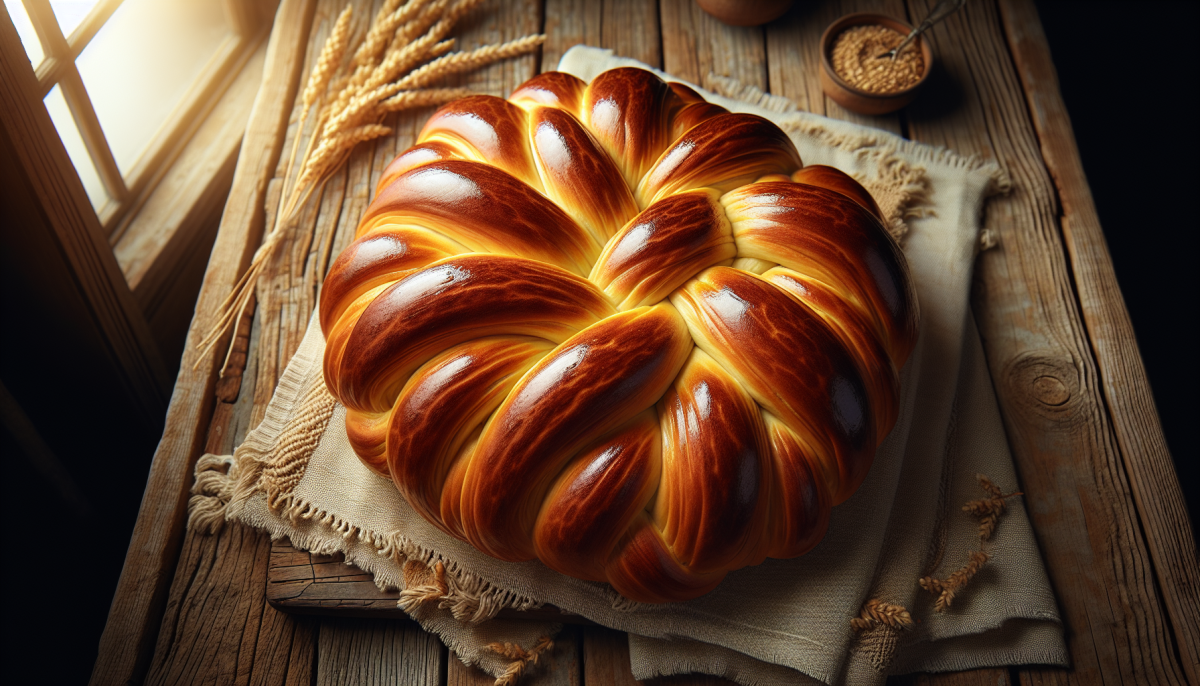
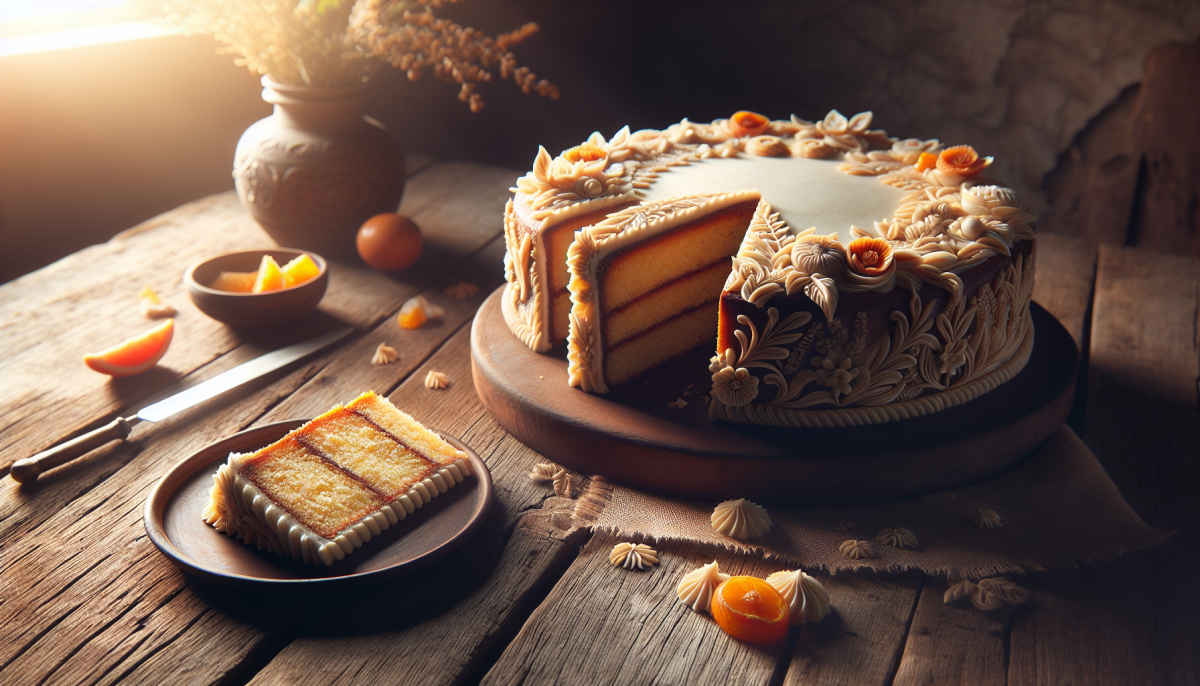
Kugelhopf is the magnificent crown-shaped bread that Alsatian Jews brought to the world. This towering, golden cake-bread — studded with rum-soaked raisins and almonds — was the pride of Jewish bakeries from Strasbourg to Colmar. Its distinctive swirled bundt shape, dusted with powdered sugar like Alpine snow, graced every celebration table and Sunday breakfast.

The Alsatian Jewish community, straddling French and German cultures, created a baking tradition that drew from both worlds. Kugelhopf reflects that dual heritage — French elegance in its form, German richness in its buttery, brioche-like crumb. Legend attributes the recipe to the Three Wise Men, but Alsatian Jews perfected it.

This is a bread that demands patience. The enriched dough requires long kneading, careful fermentation, and an overnight cold rest that develops flavor and makes the delicate crumb possible. The reward is a bread so tender, so perfumed with butter and vanilla, that it feels like a celebration in every slice.

Categories
Recipes

Olive Oil Challah

Pareve
Dairy-Free • Contains Eggs • Contains Gluten
Yield2 loaves
DifficultyBeginner
Active Time30 minutes
Total Time3½ hours
BrachaHaMotzi

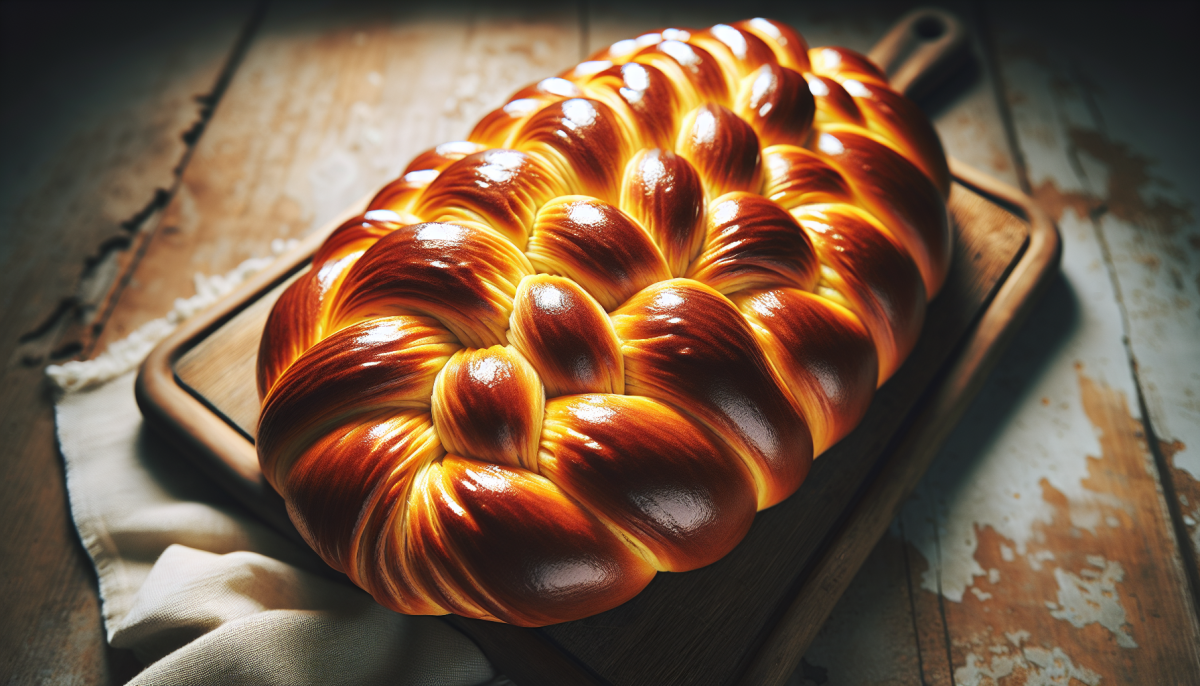
Olive oil challah is the bread that Italian Jews have been baking for centuries. While Ashkenazi challah relies on neutral oil or schmaltz, the Jewish communities of Rome, Livorno, and Venice have always reached for the olive press. The result is a challah with a golden, almost amber hue, a delicate fruity fragrance, and a crumb so tender it practically dissolves on the tongue.

This is a simpler, more rustic challah than its heavily enriched cousins. With fewer eggs and the olive oil taking center stage, the flavor is cleaner, more Mediterranean — bread that tastes of sun-warmed hillsides and ancient groves. It is the challah you want with a bowl of good soup, torn into pieces and shared around a table.

The Italian-Jewish tradition of olive oil challah reminds us that Jewish bread is as diverse as the Jewish people. From the olive groves of Puglia to the Shabbat tables of the Roman Ghetto, this bread has its own beautiful story to tell.

Use the best extra-virgin olive oil you can find. The bread’s flavor depends on it.

Categories
Recipes

Za’atar Challah

Pareve
Dairy-Free • Contains Eggs • Contains Gluten
Yield2 loaves
DifficultyIntermediate
Active Time40 minutes
Total Time4 hours
BrachaHaMotzi

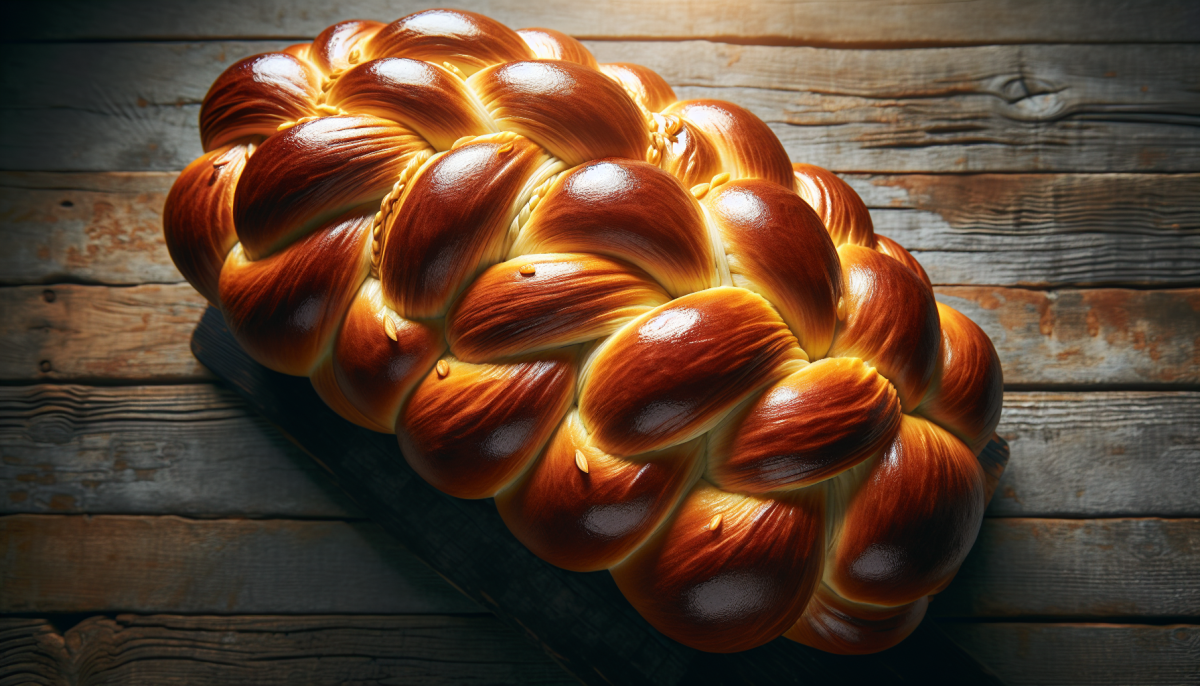
Za’atar challah is where Ashkenazi tradition meets the bold flavors of the Levant. Imagine your classic golden challah, but with a verdant crust of wild thyme, sumac, and sesame — the ancient herb blend that has seasoned bread in the Land of Israel for millennia. Every bite delivers the familiar honeyed softness of challah followed by the earthy, tangy punch of za’atar.

This is not fusion for fusion’s sake. Za’atar and bread have been inseparable since the Torah’s seven species were first harvested from Judean hillsides. By braiding za’atar into challah, you are reconnecting two of the oldest threads in Jewish culinary history.

The technique is straightforward: a classic enriched challah dough, divided, filled with za’atar paste between the strands, and braided so the herbs peek through the golden crust. The result is a showstopping loaf that perfumes the kitchen with wild thyme and toasted sesame.

This challah pairs beautifully with hummus, labneh, or simply torn and dipped in good olive oil. It bridges Shabbat dinner and Shabbat morning effortlessly.

Categories
Recipes

Beigli (Hungarian Jewish Walnut Roll)

Pareve
Dairy-Free • Contains Eggs • Contains Gluten • Contains Walnuts
Yield2 rolls (20 slices each)
DifficultyIntermediate
Active Time45 minutes
Total Time3½ hours
BrachaMezonot

Beigli is the crown jewel of Hungarian Jewish baking. This magnificent walnut-filled rolled pastry graced every holiday table in Budapest’s once-thriving Jewish quarter. Sliced crosswise to reveal its dark, intoxicating swirl of ground walnuts and sugar, beigli is the kind of pastry that makes you close your eyes on first bite.

Hungarian Jews brought beigli to Israel, to New York, to Buenos Aires — wherever they rebuilt their lives. Unlike many pastries that rely on butter, the Jewish version uses oil, making it pareve and suitable for any meal. The dough is tender, almost brioche-like, enriched with eggs and a touch of sour cream (use pareve substitute for this version), while the filling is dense, fragrant, and slightly bitter from freshly ground walnuts.

This recipe produces two generous rolls — one to slice and serve, one to wrap and freeze for the next celebration. Whether it is Rosh Hashanah, Purim, or simply a Tuesday that deserves something beautiful, beigli delivers.

In Hungarian Jewish tradition, beigli was always made in pairs — one walnut, one poppy seed. This recipe focuses on the walnut version, the undisputed favorite.

Categories
Recipes

Jewish Apple Cake

Pareve

Yield
1 tube pan (12–16 servings)
Difficulty
Beginner
Active Time
30 minutes
Total Time
1¾–2 hours
Bracha
Mezonot

Jewish apple cake is the great equalizer of kosher baking — every family has a recipe, every recipe is “the best,” and every version disappears before you can photograph it. This is the cake that appears at Rosh Hashanah dinner, at Sukkot lunches, at shiva houses, at potlucks, at every occasion where a pareve dessert is needed and there is no room for failure.

The genius of Jewish apple cake is its simplicity and its ratio: massive amounts of cinnamon-coated apple slices layered with a tender oil-based batter in a tube or bundt pan. The apples release their juices as they bake, creating pockets of apple butter within the cake. The exterior develops a caramelized crust while the inside stays impossibly moist, even days later.

This is not a delicate cake. It is sturdy, generous, and unapologetically sweet-spiced. It travels well, slices cleanly, and tastes even better the next day. It is also one of the few cakes that is genuinely better pareve — the oil-based batter creates a moister crumb than butter ever could.

Categories
Recipes

Cinnamon Babka Buns

Pareve

Yield
12 buns
Difficulty
Intermediate
Active Time
45 minutes
Total Time
4–5 hours
Bracha
Mezonot

Why should babka only come in loaf form? These cinnamon babka buns take the beloved swirled bread and portion it into individual servings — each one a miniature babka with spiraling layers of cinnamon-sugar filling, baked in a muffin tin for a perfect shape and presented as a personal-sized pastry that needs no slicing.

The technique is clever: you roll and fill the dough exactly as you would for a traditional babka, but instead of twisting into a loaf pan, you cut the filled roll into sections and nestle each one into a muffin cup. As they bake, the layers puff and separate, the cinnamon filling caramelizes at the edges, and each bun develops a glossy top when brushed with sugar syrup.

These are ideal for Shabbat morning, for sending in mishloach manot, for catering events where individual portions are needed, or simply because sometimes you want babka without having to commit to an entire loaf. They freeze beautifully and reheat in minutes.

Categories
Recipes

Cheese Babka

Dairy

Yield
2 loaves
Difficulty
Intermediate–Advanced
Active Time
1 hour
Total Time
5–6 hours
Bracha
Mezonot

Cheese babka is the Shavuot showstopper — a rich, dairy-enriched dough swirled with a sweet cream cheese filling that turns golden and custardy as it bakes. While chocolate babka gets all the attention, cheese babka is the one that people dream about: tangy-sweet, impossibly tender, with stripes of melted cheese running through every slice.

The tradition of dairy baking on Shavuot runs deep. The holiday celebrates the receiving of the Torah, and the custom of eating dairy foods on Shavuot creates the perfect excuse for cheese babka, cheese blintzes, and cheesecake. This cheese babka combines the best of all worlds: the buttery, enriched dough of classic babka with a filling that tastes like cheesecake folded into bread.

The filling uses cream cheese, sugar, egg yolk, vanilla, and a touch of lemon zest for brightness. It stays creamy inside the babka while the dough bakes around it, creating a contrast of textures — soft bread meets silky cheese — that is utterly irresistible warm from the oven.

Categories
Recipes

Halvah Babka

Pareve

Yield
2 loaves
Difficulty
Intermediate–Advanced
Active Time
1 hour
Total Time
5–6 hours
Bracha
Mezonot

Halvah babka is where tradition meets innovation — the beloved Ashkenazi swirled bread, born in Eastern Europe, reimagined with the flavors of the Israeli shuk. Instead of chocolate or cinnamon, the filling is a luscious blend of crumbled halvah, tahini paste, and a touch of honey, creating a babka with nutty, sesame-rich layers that shatter and melt in alternating bites.

This is the babka that Israeli bakeries like Breads Bakery and Lehamim made famous, and it has become one of the most sought-after variations worldwide. The tahini paste keeps the filling moist while the halvah crumbles provide texture — sandy, sweet, and fragrant with toasted sesame.

The technique is the same as any babka: roll the enriched dough thin, spread the filling edge to edge, roll tightly, split lengthwise to reveal the layers, twist, and bake in a loaf pan. A sugar syrup brushed on while still hot ensures a glossy, moist finish. The result is a bread that is simultaneously Ashkenazi in form and Sephardi in flavor — a true expression of modern Israeli baking.