Categories
Recipes

Syrian Ka’ak (Sweet Bracelet Cookies)

Pareve
Dairy-Free • Contains Eggs • Contains Gluten
Yield30 cookies
DifficultyIntermediate
Active Time40 minutes
Total Time2 hours
BrachaMezonot

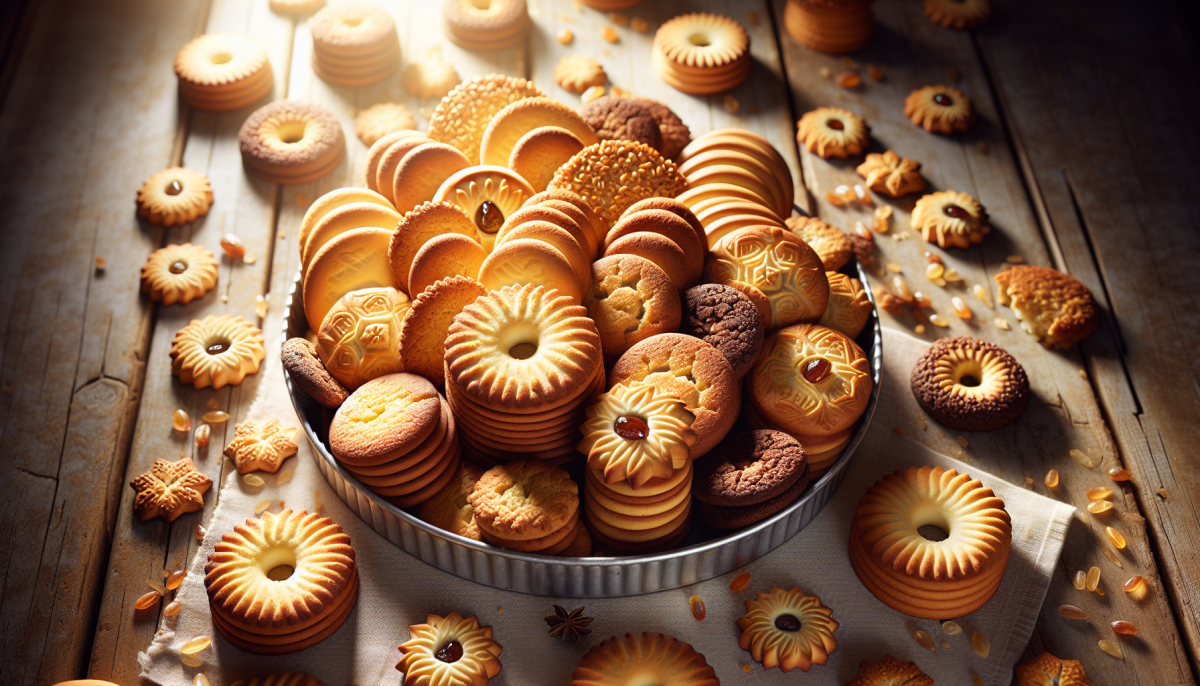
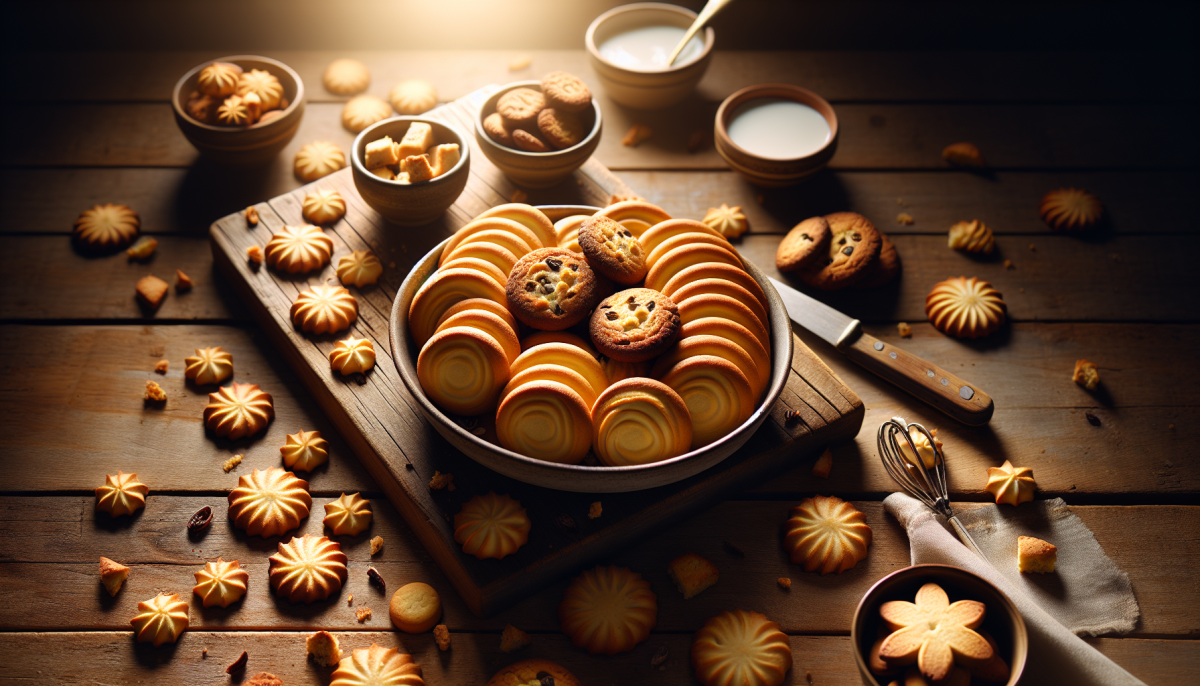
Syrian ka’ak are the sesame-coated bracelet cookies that have sweetened celebrations in the Syrian Jewish community for generations. Golden rings of tender dough, fragrant with mahlab and anise, encrusted with toasted sesame seeds — they are as beautiful as they are delicious, and they are deeply woven into the fabric of Syrian Jewish life.

In Aleppo and Damascus, ka’ak were baked for every joyous occasion: britot, engagements, holidays, and the weekly Shabbat. Their ring shape symbolizes continuity and wholeness, making them especially meaningful for celebrations of new beginnings. The mahlab — ground cherry pit kernel — gives them an utterly distinctive flavor that is floral, slightly nutty, and unmistakably Syrian.

These are not soft, chewy cookies. They are meant to be firm, dry, and perfect for dunking in tea or Arabic coffee. They keep for weeks in a tin, which made them ideal for sending as gifts and including in mishloach manot.

Categories
Recipes

Semolina Bread (Sephardic Sesame Loaf)

Pareve
Dairy-Free • Contains Gluten • No Eggs
Yield1 large round loaf
DifficultyBeginner
Active Time20 minutes
Total Time3½ hours
BrachaHaMotzi

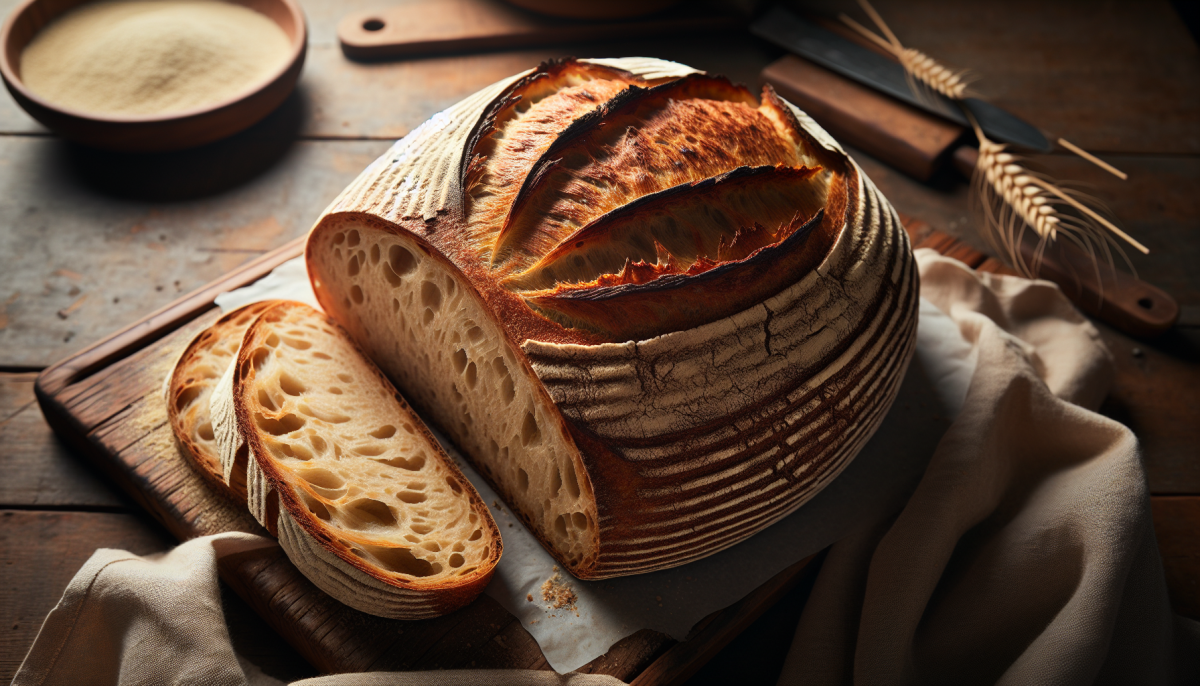
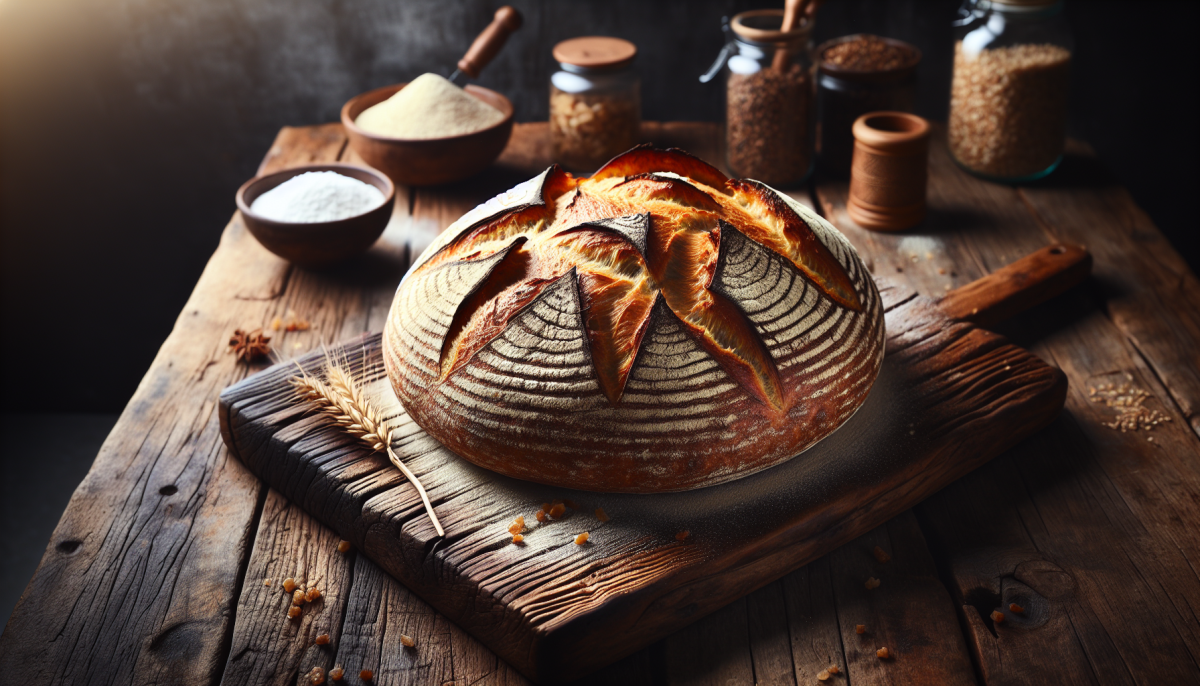
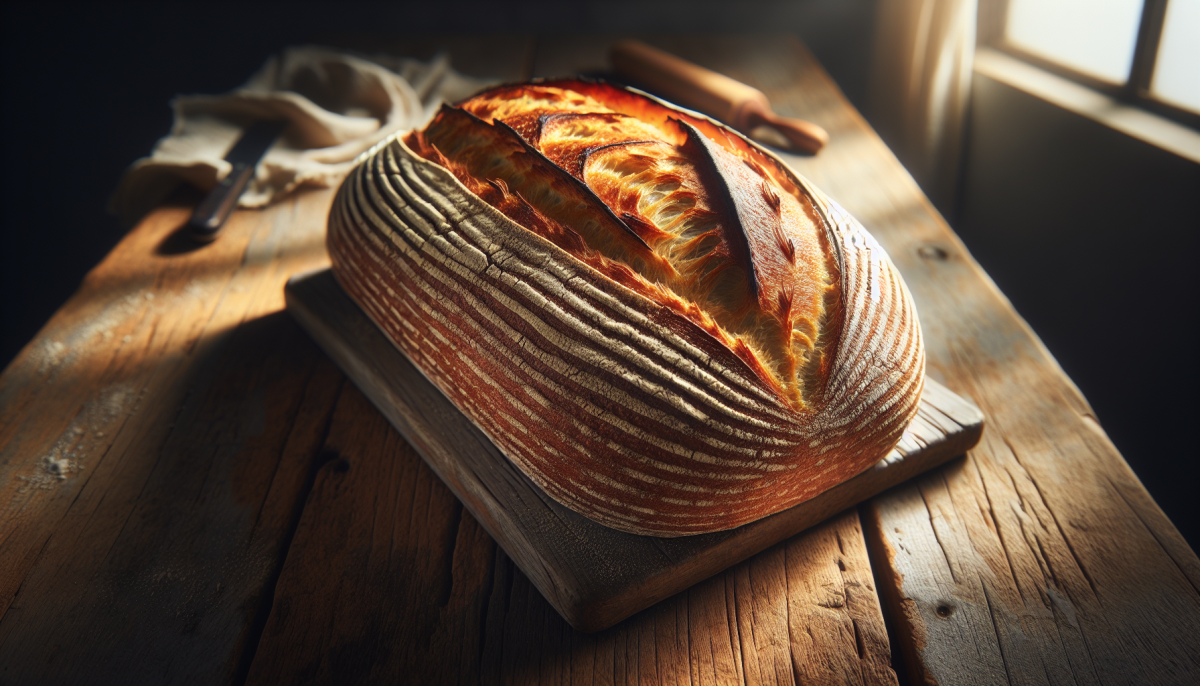
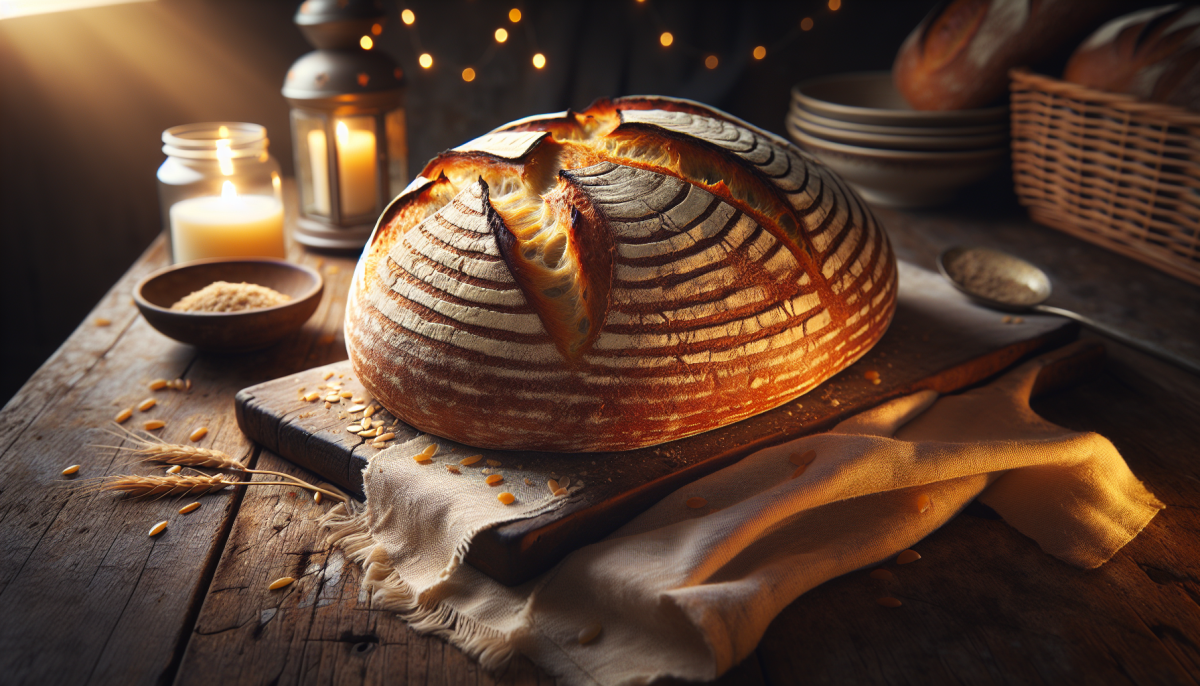
Semolina bread is the golden, sesame-crusted loaf of the Sephardic Mediterranean. From the bakeries of North Africa to the tables of Italian Jews, this sun-colored bread has been a staple for centuries. Made with a blend of durum semolina and bread flour, it has a distinctly honeyed color, a slightly chewy crumb, and a nutty, wheaty flavor that pairs beautifully with olive oil and dips.

Semolina — the coarsely ground endosperm of durum wheat — gives this bread its signature character. The high protein and golden pigments of durum wheat create a loaf that looks and tastes different from any white bread. It is heartier without being heavy, rustic without being dense.

In Jewish communities across Tunisia, Libya, and Sicily, semolina bread was baked weekly in communal ovens. It was the everyday bread, the bread of the people, and it remains one of the simplest and most satisfying loaves you can bake at home.

Categories
Recipes

Sourdough Pita

Pareve
Dairy-Free • Contains Gluten • No Eggs
Yield12 pitas
DifficultyIntermediate
Active Time40 minutes
Total Time8 hours
BrachaHaMotzi

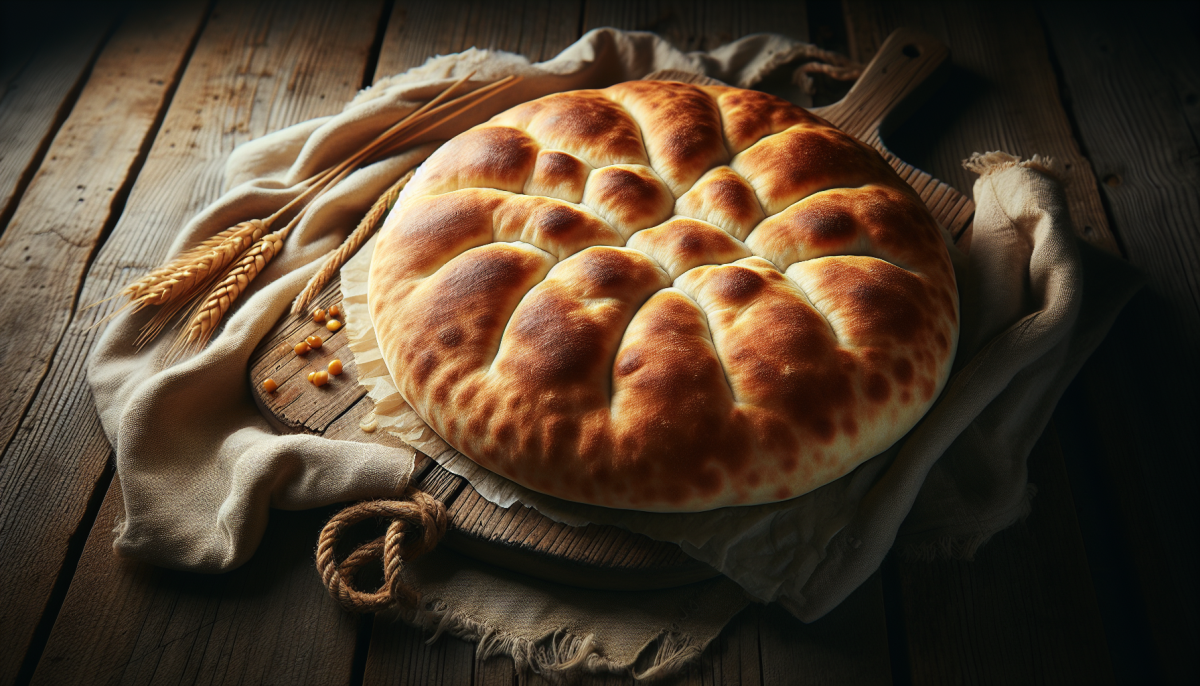
Sourdough pita takes the most ancient of flatbreads and elevates it with the magic of wild fermentation. The tangy complexity of a mature sourdough starter transforms humble pita into something extraordinary — bread with character, with depth, with the kind of flavor that commercial yeast simply cannot replicate.

Pita is arguably the oldest bread in the Jewish culinary tradition. Long before challah was braided, before bagels were boiled, flatbread was torn and shared at tables across the ancient Near East. By using a sourdough levain, you are baking with the same living culture that leavened bread in biblical times.

These pitas puff dramatically in a hot oven, creating the signature pocket that makes pita the world’s most perfect edible utensil. Fill them with falafel, shawarma, or sabich. Tear them into pieces for hummus. Or eat them warm from the oven with nothing but a drizzle of olive oil and a sprinkle of za’atar.

Categories
Recipes

Za’atar Challah

Pareve
Dairy-Free • Contains Eggs • Contains Gluten
Yield2 loaves
DifficultyIntermediate
Active Time40 minutes
Total Time4 hours
BrachaHaMotzi

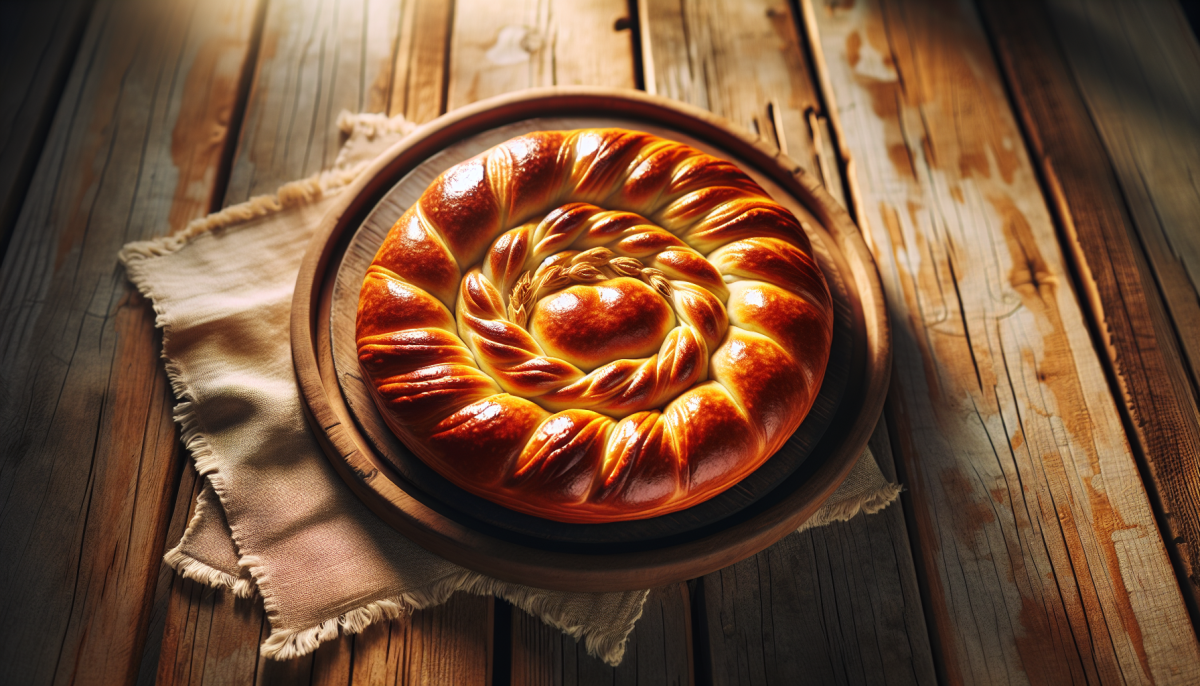
Za’atar challah is where Ashkenazi tradition meets the bold flavors of the Levant. Imagine your classic golden challah, but with a verdant crust of wild thyme, sumac, and sesame — the ancient herb blend that has seasoned bread in the Land of Israel for millennia. Every bite delivers the familiar honeyed softness of challah followed by the earthy, tangy punch of za’atar.

This is not fusion for fusion’s sake. Za’atar and bread have been inseparable since the Torah’s seven species were first harvested from Judean hillsides. By braiding za’atar into challah, you are reconnecting two of the oldest threads in Jewish culinary history.

The technique is straightforward: a classic enriched challah dough, divided, filled with za’atar paste between the strands, and braided so the herbs peek through the golden crust. The result is a showstopping loaf that perfumes the kitchen with wild thyme and toasted sesame.

This challah pairs beautifully with hummus, labneh, or simply torn and dipped in good olive oil. It bridges Shabbat dinner and Shabbat morning effortlessly.

Categories
Recipes

Konafa (Kunafa)

Dairy

Yield
8–10 servings
Difficulty
Intermediate
Active Time
30 minutes
Total Time
1½ hours
Bracha
Mezonot

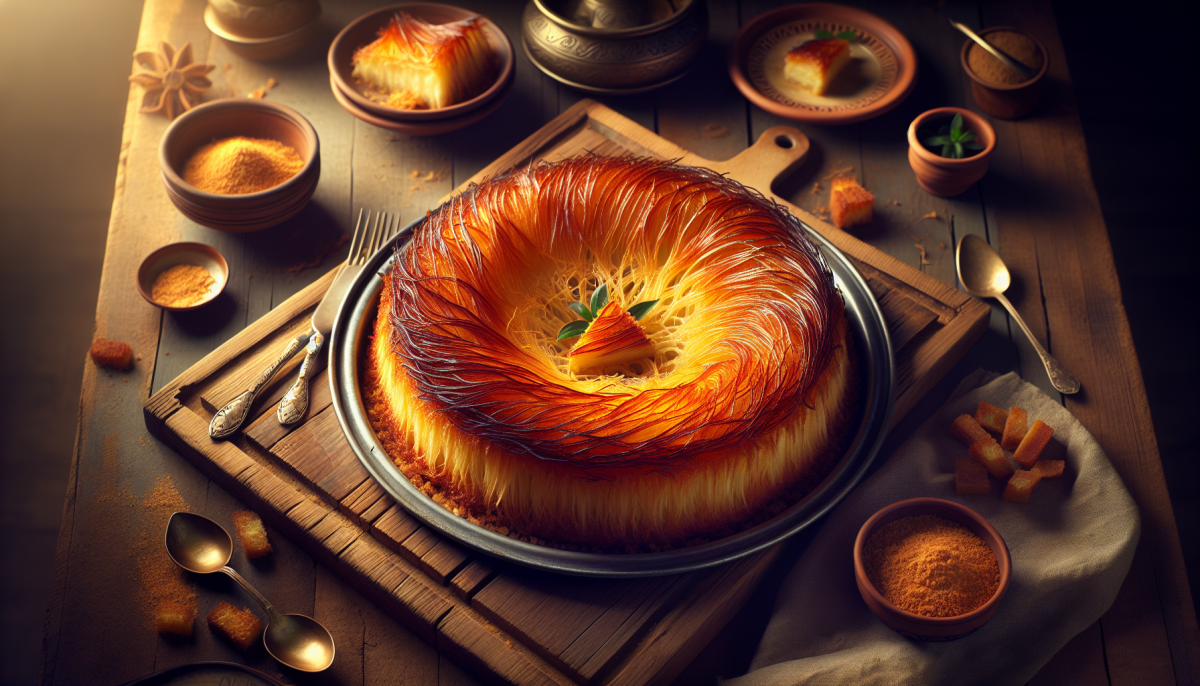
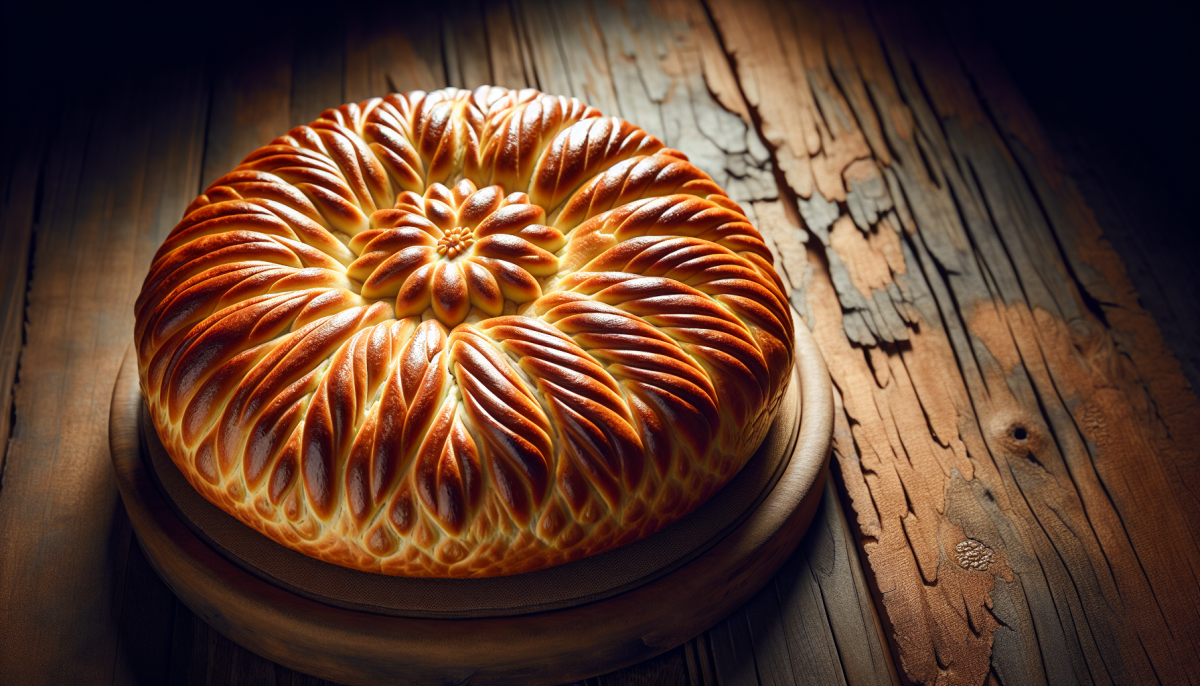
Konafa (also spelled kunafa, knafeh, or kanafeh) is the dessert that stops traffic in the shuk. A disc of shredded phyllo dough (kataifi), crisped golden in butter or oil, enclosing a core of molten, stretchy cheese, drenched in orange blossom sugar syrup. The first bite is an orchestra of textures: shattering crunch, oozing cheese, fragrant syrup, all in one extraordinary mouthful.

For Sephardi and Mizrachi Jews, konafa is the celebration dessert — present at every brit, every Shabbat where guests are honored, every holiday where dairy is served. In Israel, konafa from the Nablus tradition has become a national obsession, sold from specialized shops where the pastry is made in enormous trays and cut to order.

This home version is fully achievable. The kataifi dough (shredded phyllo) is available frozen at Middle Eastern markets. You mix it with melted butter or oil, press half into a pan, add the cheese filling, top with the rest of the kataifi, and bake. The syrup goes on while everything is hot, and you serve immediately while the cheese is still stretching.

Categories
Recipes

Walnut Ma’amoul

Pareve

Yield
30 cookies
Difficulty
Intermediate
Active Time
1 hour
Total Time
2½ hours
Bracha
Mezonot

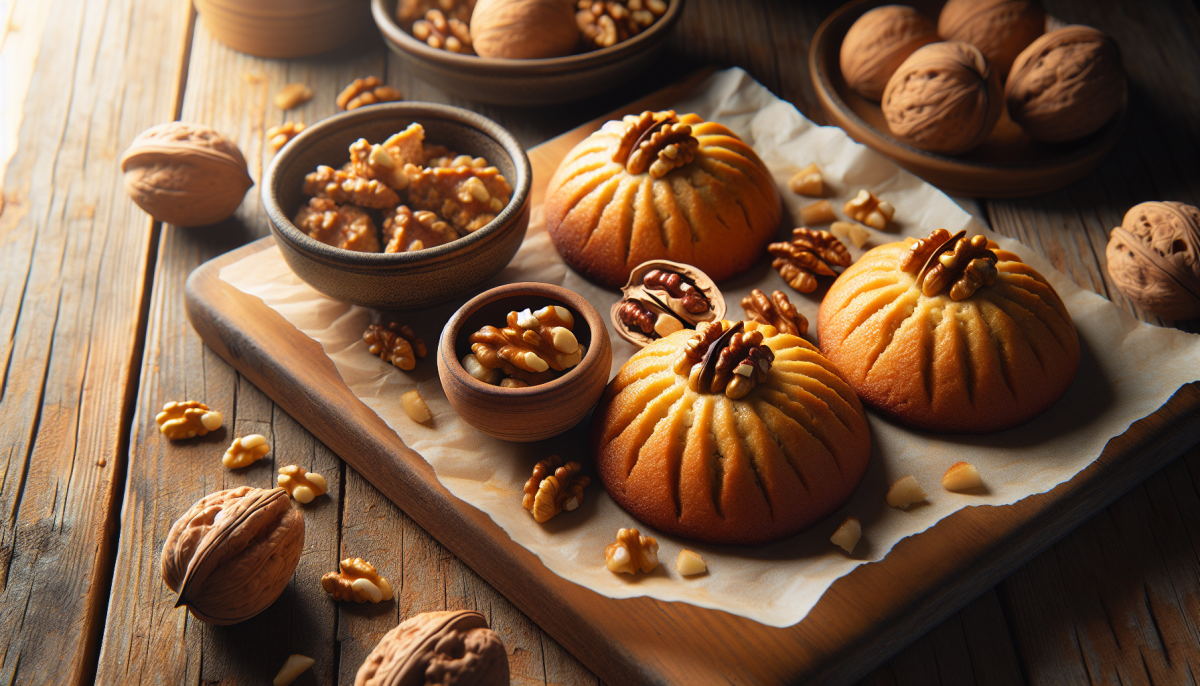
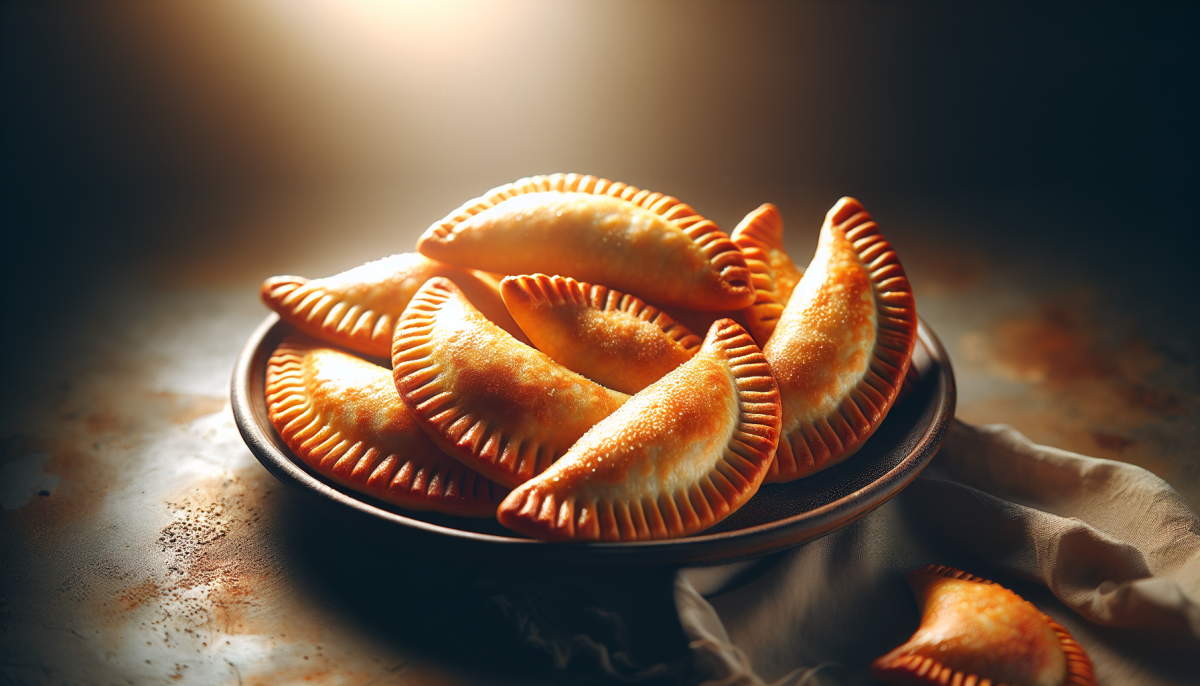
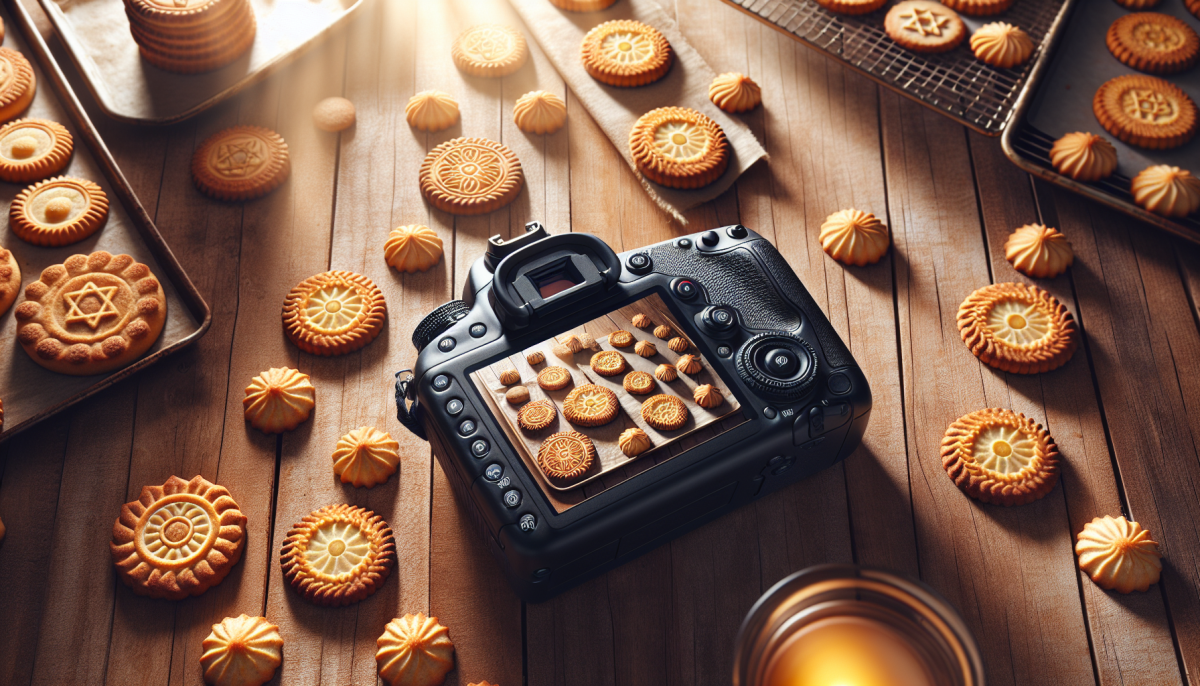
Ma’amoul are the celebration cookies of the Sephardi and Mizrachi world — tender, crumbly shortbread shells stuffed with sweetened nuts, pressed into decorative molds, and dusted with powdered sugar. If the date version is the classic, the walnut version is the showstopper: fragrant with cinnamon, orange blossom water, and toasted walnuts, each cookie a small work of edible art.

For Syrian, Lebanese, and Iraqi Jews, walnut ma’amoul were the cookies of Purim, Shavuot, Rosh Hashanah, and every simcha in between. Families would spend days making hundreds, using carved wooden molds (taabi) to stamp each cookie with an intricate pattern that identified the filling: elongated ovals for walnuts, round domes for dates, flat circles for pistachios.

The dough is made with semolina and flour, enriched with oil, and scented with rose water or orange blossom water. It has a sandy, melt-in-your-mouth texture unlike any other cookie dough — tender enough to crumble at the first bite, yet sturdy enough to hold its molded shape.

Categories
Recipes

Tahini Cookies

Pareve

Yield
24 cookies
Difficulty
Beginner
Active Time
20 minutes
Total Time
45 minutes
Bracha
Mezonot

Tahini cookies are the cookie that Israel gave the world — chewy, nutty, deeply sesame-flavored, with a crackled top and a soft center that borders on fudgy. They require only five core ingredients (tahini, sugar, egg, vanilla, salt) and come together faster than you can preheat your oven. No flour, no butter, no dairy — just pure tahini magic.

These cookies have taken kosher bakeries and food blogs by storm, and for good reason. They are naturally pareve, easily adaptable to be gluten-free, and have a flavor profile that is entirely unique — nothing else tastes quite like a tahini cookie. The sesame paste creates a texture somewhere between a peanut butter cookie and a French macaron, with beautiful crackled tops that form naturally as they bake.

Roll them in sesame seeds before baking for extra crunch, or press a square of halvah into the center for a decadent variation. These are the cookies that disappear from the plate first at every kiddush, every bake sale, every holiday gathering.

Categories
Recipes

Kosher Baklava

Pareve

Yield
30–36 pieces
Difficulty
Intermediate
Active Time
45 minutes
Total Time
2 hours
Bracha
Mezonot

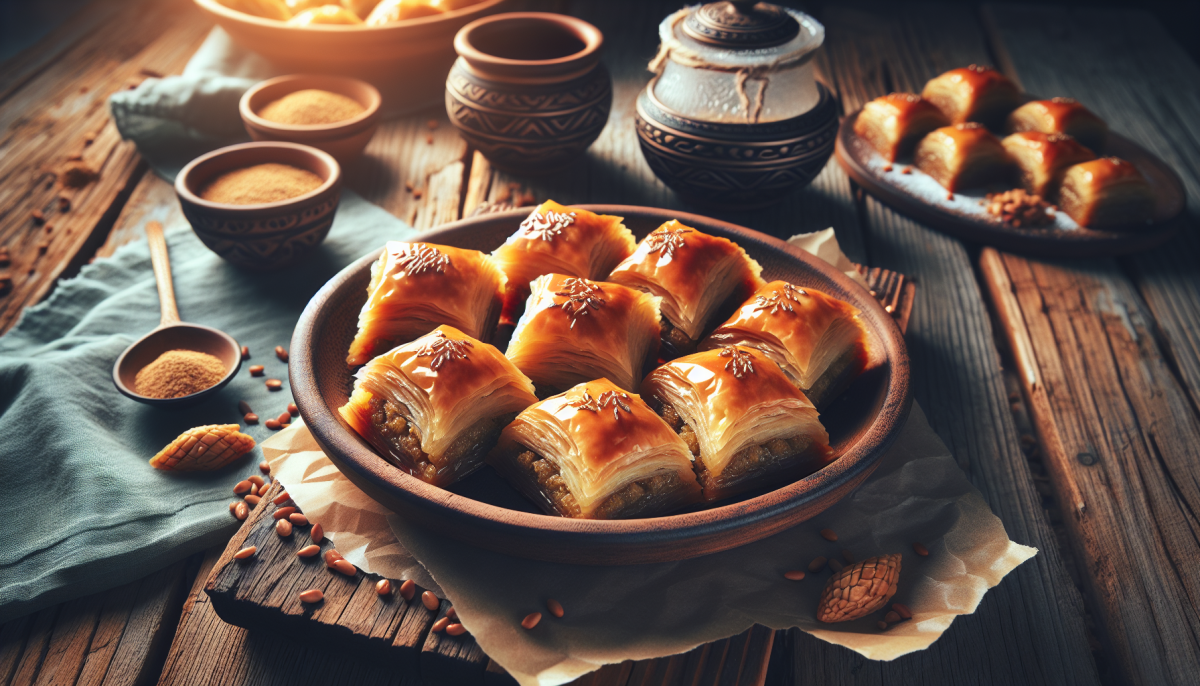
Baklava is the crown jewel of Sephardi and Mizrachi pastry — dozens of paper-thin phyllo sheets layered with crushed nuts and drenched in a fragrant honey-citrus syrup that soaks into every crevice. The result is at once shattering and sticky, nutty and sweet, a pastry so ancient that its origins are claimed by every culture from Istanbul to Baghdad.

For Sephardi Jews, baklava was the celebration sweet — present at every brit milah, every engagement, every Shabbat where guests were expected. Syrian Jewish baklava often uses pistachios; Turkish Jewish versions favor walnuts; Iraqi Jewish baklava sometimes includes cardamom and rose water. This recipe gives you a classic pistachio-walnut blend with a honey-lemon syrup, but the template works with any nut and any flavoring.

The key to great baklava is three things: high-quality phyllo dough, generously applied oil or butter between every layer, and a syrup that is cold when poured over hot baklava (or vice versa). The temperature contrast ensures the syrup is absorbed without making the phyllo soggy.

Categories
Recipes

Taboon Bread

Pareve

Yield
4 flatbreads
Difficulty
Intermediate
Active Time
30 minutes
Total Time
2½–3 hours
Bracha
HaMotzi

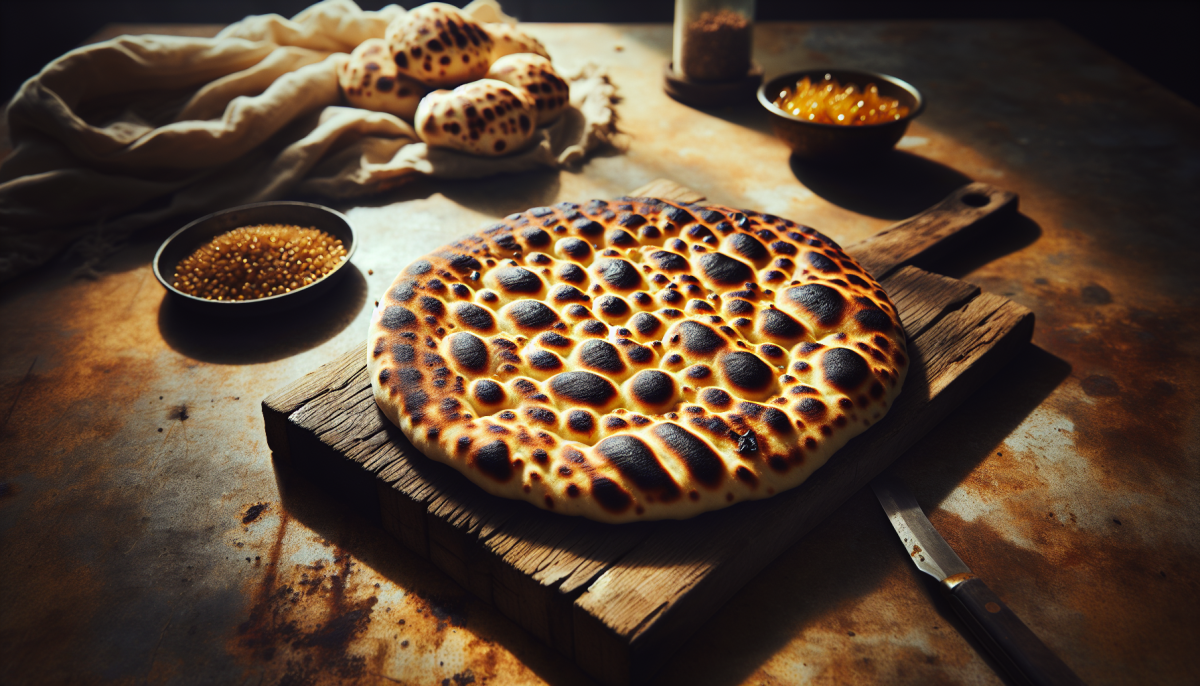
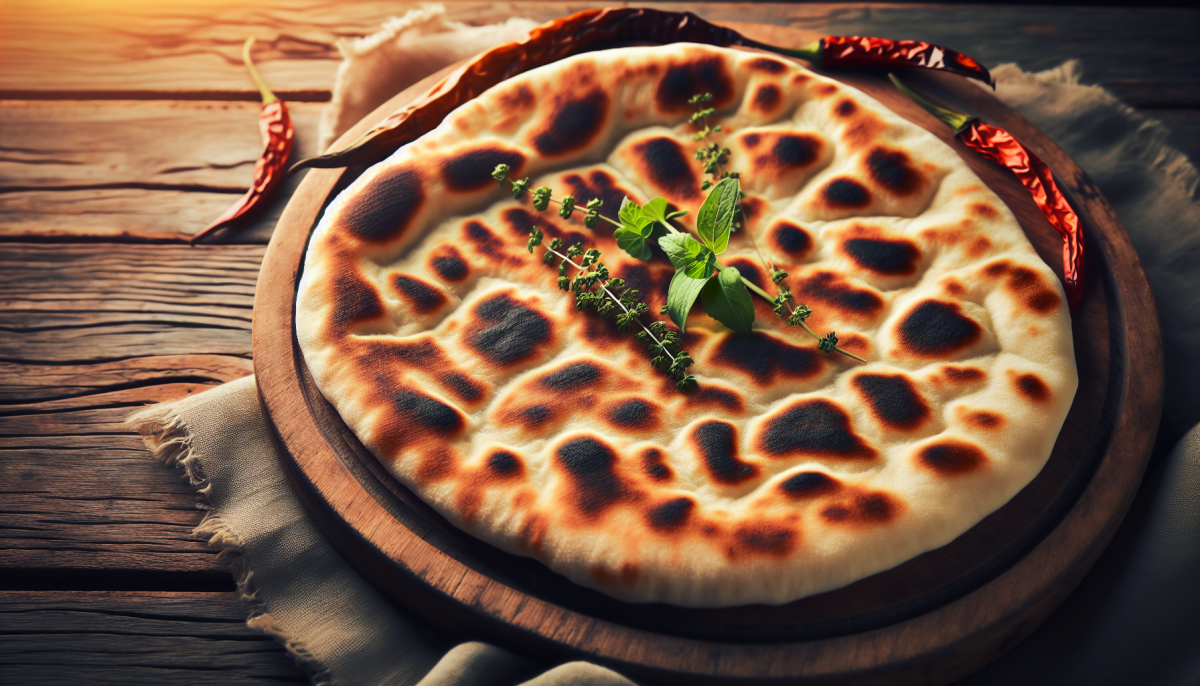
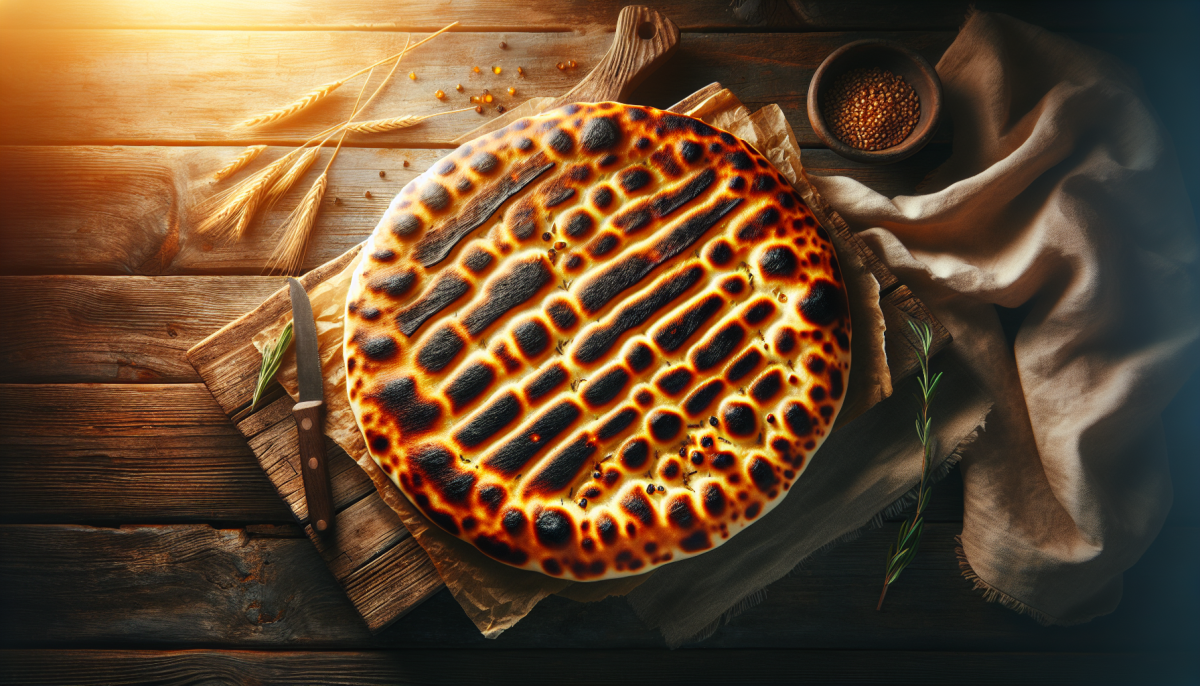
Taboon bread takes its name from the clay oven (taboon) in which it was traditionally baked — a dome-shaped vessel heated with coals, its floor covered with smooth stones that press dimples into the dough as it bakes. The result is a flatbread unlike any other: thick, dimpled, slightly charred, with an earthy, smoky flavor that no conventional oven can fully replicate (though we get close).

In Israel, taboon bread is the bread of musakhan (roasted chicken and sumac on bread), the bread of shakshuka scooping, the bread sold warm from bakeries in Jaffa and Akko. For Palestinian and Israeli Jewish cooks alike, it is a bread of the land itself — simple flour, water, salt, and yeast transformed by fire and stone into something primordial and deeply satisfying.

This home recipe uses a hot baking stone and a technique of pressing the dough onto heated pebbles (or simply dimpling with your fingers) to approximate the taboon effect. The bread is thick, chewy, and perfect for wrapping around grilled meats or tearing alongside dips and salads.

Categories
Recipes

Cheese Manoushe

Dairy

Yield
6 flatbreads
Difficulty
Beginner–Intermediate
Active Time
30 minutes
Total Time
2½–3 hours
Bracha
HaMotzi

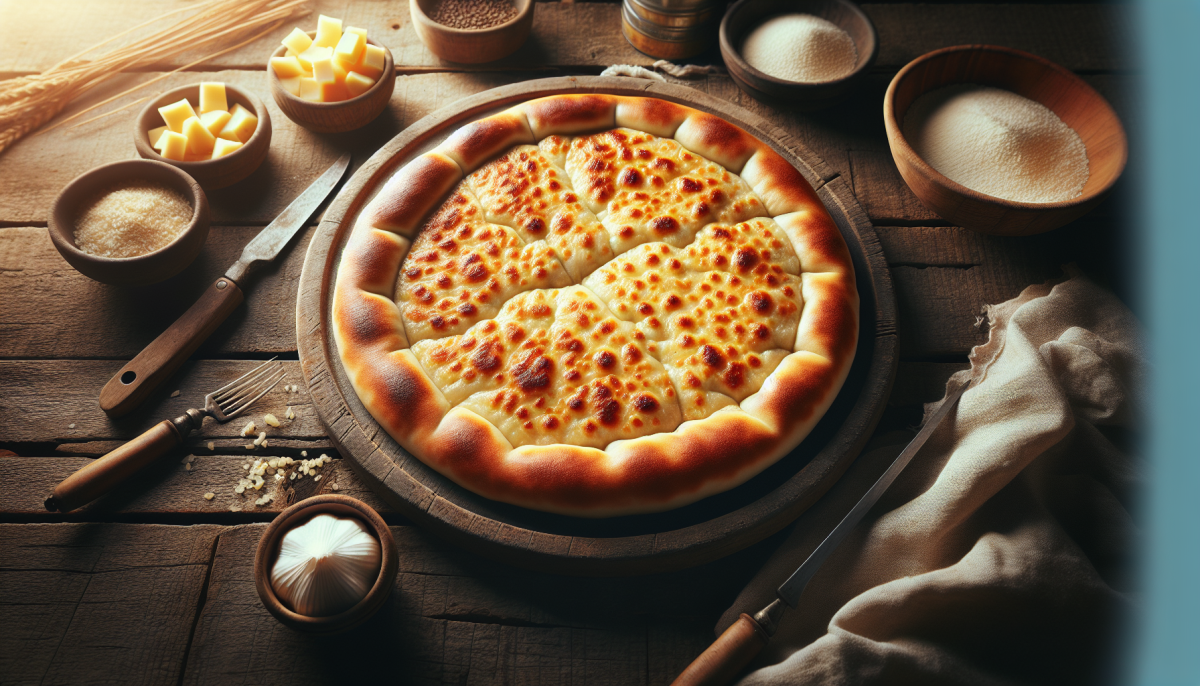
If za’atar manoushe is the weekday standard, cheese manoushe is the weekend luxury. The same soft, puffy dough gets topped with a generous blanket of mixed cheeses — akkawi, mozzarella, and halloumi or a kosher equivalent — that melts into a bubbling, golden carpet as the flatbread bakes in a scorching oven. The edges char slightly, the cheese stretches in long threads, and the first bite is pure indulgence.

For Lebanese and Syrian Jews, cheese manoushe was the Shabbat morning bread, eaten while the cheese was still molten, folded in half like a taco, with sliced tomatoes and cucumbers on the side and sweet mint tea to drink. The combination of tangy cheese, chewy dough, and fresh vegetables is one of the Levant’s greatest culinary achievements.

The dough is deliberately simple so the cheese can shine. Mix it, let it rise, stretch it thin, pile on the cheese, and bake as hot as your oven will go. The entire process takes about two hours from start to mouth, and every minute is worth it.