Categories
Recipes

Yemenite Fatoot

Pareve

Yield
4 servings
Difficulty
Beginner
Active Time
20 minutes
Total Time
30–40 minutes
Bracha
Mezonot

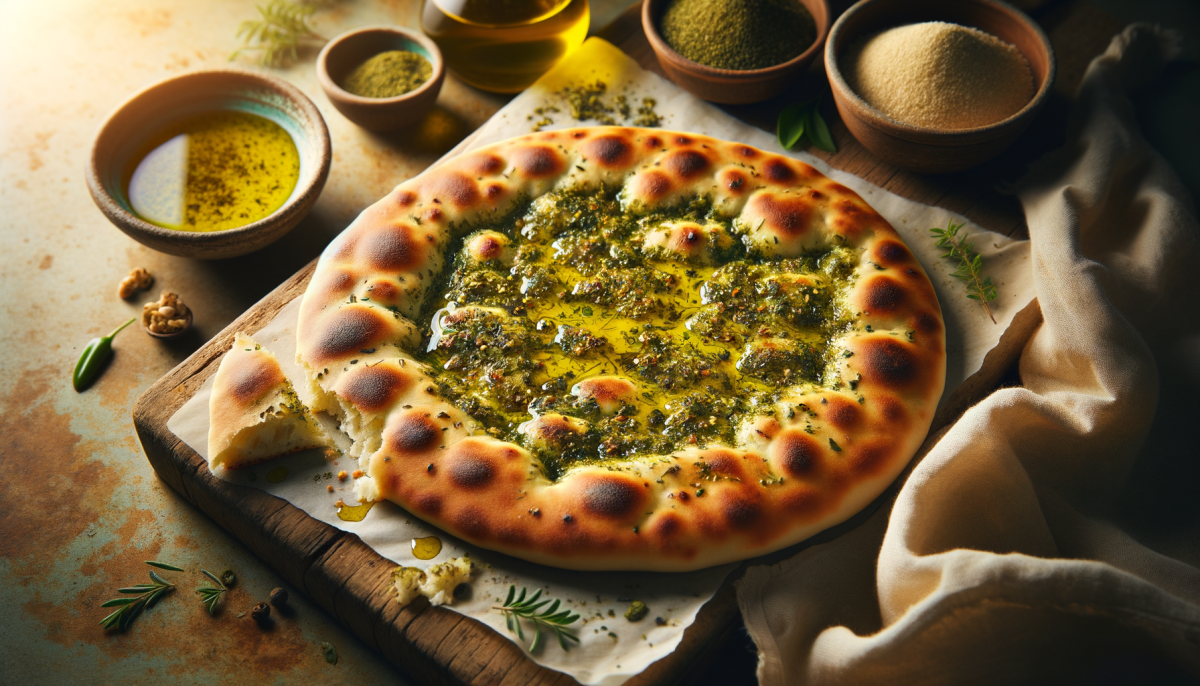
Fatoot is the Yemenite Jewish answer to the question every baker faces: what do you do with leftover bread? The answer, in this case, is tear it into rough pieces, fry them in hot oil until shatteringly crispy, and serve them drizzled with honey for sweetness or spiked with zhug for heat. It is frugal cooking elevated to an art form.

In Yemenite Jewish households, fatoot was made from leftover lahoh, malawach, or any flatbread past its prime. The frying transforms stale bread into something crackling and irresistible. Children would gather in the kitchen waiting for pieces straight from the pan, too hot to hold but too good to wait.

This recipe uses a simple quick dough, but you can also make fatoot with leftover challah, pita, or any bread you have on hand. It is breakfast, snack, and comfort food all in one — proof that the simplest dishes, born from necessity, often become the most beloved.

Categories
Recipes

Fatayer (Spinach Pies)

Pareve

Yield
20 pastries
Difficulty
Intermediate
Active Time
1 hour
Total Time
3–4 hours
Bracha
Mezonot

Fatayer are the elegant triangular pastries of Levantine cuisine — soft bread dough pinched into a three-cornered hat and filled with seasoned spinach, onions, lemon juice, and toasted pine nuts. For Syrian, Lebanese, and Iraqi Jews, fatayer were the celebration food: present at every brit milah, every engagement party, every Shabbat kiddush where the community gathered.

The triangle shape is achieved by folding three sides of a round dough up over the filling and pinching them together at the center, leaving a small opening that reveals the green filling inside. The dough is soft and bread-like — not flaky like bourekas, but tender and slightly sweet, a perfect frame for the tangy, herbaceous filling.

The spinach filling is bright with lemon and enriched with sautéed onions and toasted pine nuts. Some families add sumac for an extra layer of tanginess. These are best served warm but are also excellent at room temperature, making them ideal for kiddush platters and buffet tables.

Categories
Recipes

Yemenite Sabayah

Pareve

Yield
4 flatbreads
Difficulty
Intermediate–Advanced
Active Time
1 hour
Total Time
2½–3 hours
Bracha
Mezonot

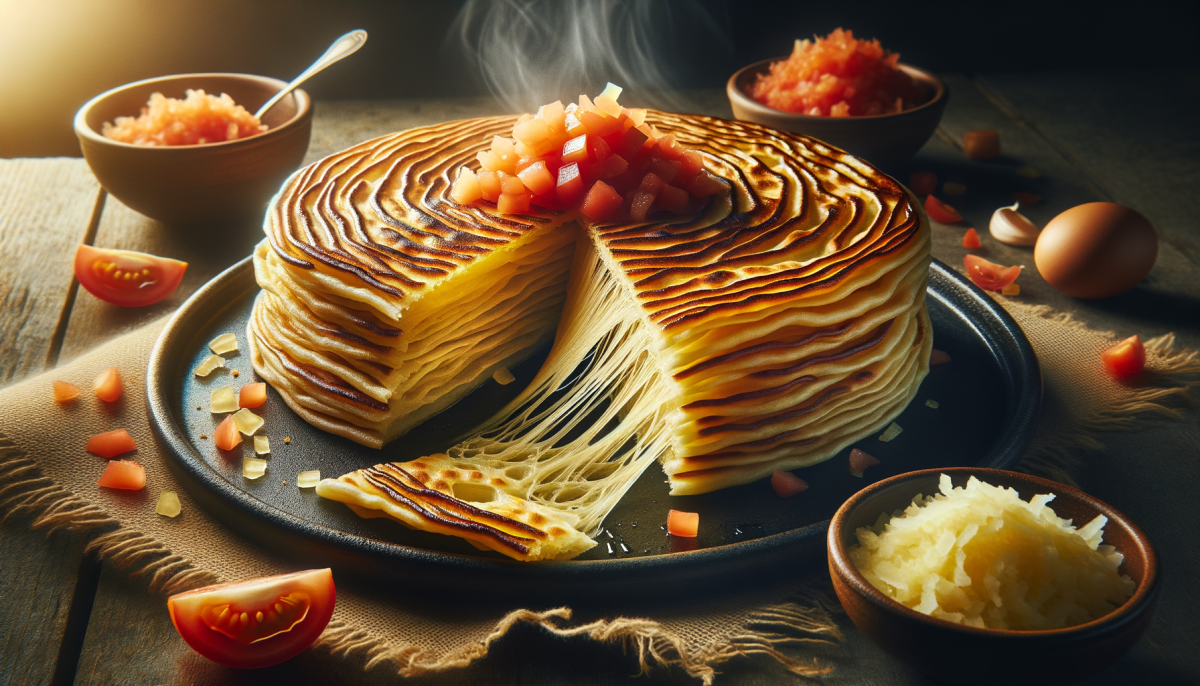
Sabayah is the Yemenite Jewish baker’s meditation — a flatbread of impossibly thin layers, each one brushed with oil or samneh (clarified butter), folded and stretched and folded again until the dough becomes a stack of translucent sheets. When baked on a hot griddle or in the oven, those layers puff and separate, creating a bread that shatters at the touch and melts on the tongue.

Less known than kubaneh or malawach, sabayah is perhaps the most technically impressive bread in the Yemenite repertoire. It requires patience, a light touch, and the confidence to stretch dough paper-thin without tearing it. The reward is extraordinary — a flatbread with the crunch of phyllo and the richness of puff pastry, achieved through nothing more than flour, water, oil, and skill.

Serve sabayah warm from the pan, drizzled with honey for a sweet version or alongside zhug and hilbeh for a savory breakfast. Each layer peels away like a page from an ancient book, revealing the baker’s craft within.

Categories
Recipes

Persian Barbari Bread

Pareve

Yield
2 large flatbreads
Difficulty
Intermediate
Active Time
40 minutes
Total Time
3–4 hours
Bracha
HaMotzi

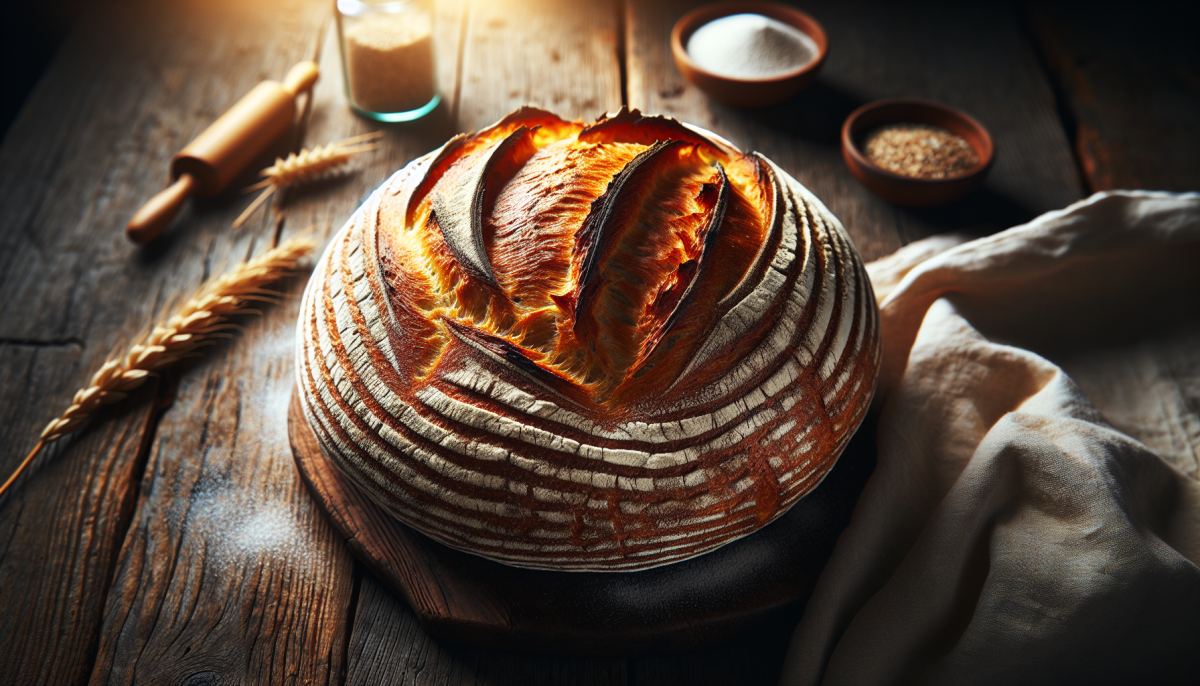
Barbari is the king of Persian flatbreads — large, golden, ridged with deep scores, and glazed with a flour paste called roomal that gives it an extraordinary crispy, almost lacquered surface. For Iranian Jews, barbari was the bread of Friday morning, bought still warm from the sangak bakery and served with feta cheese, walnuts, fresh herbs, and sweet tea.

The dough is simple and lean, but the roomal glaze is what sets barbari apart from every other flatbread. This thin paste of flour and water, sometimes with a touch of baking soda, is brushed onto the scored surface just before baking. In the oven’s heat, it creates a glossy, crackling crust that shatters when you tear into it, revealing a soft, chewy interior studded with air bubbles.

Shape it long and oval, score it with your fingertips in parallel ridges, scatter nigella and sesame seeds into the grooves, and bake on a hot stone. The result is a flatbread of remarkable beauty — amber and gold, ridged like a field plowed in rows, and perfuming your kitchen with the scent of toasted wheat and sesame.

Categories
Recipes

Iraqi Samoon

Pareve

Yield
6 samoon
Difficulty
Intermediate
Active Time
45 minutes
Total Time
3–4 hours
Bracha
HaMotzi

Samoon is the bread of Baghdad — diamond-shaped, with a crispy shell and a soft, airy interior that tears into long, stretchy strands. For Iraqi Jews, samoon was the daily bread, bought fresh each morning from the neighborhood baker (the khabbaz) and eaten with everything from hard-boiled eggs and amba to grilled kebabs and fresh vegetables.

The shape is distinctive and intentional: a pointed diamond or torpedo, scored down the center, that puffs dramatically in a hot oven. The dough is leaner than challah — just flour, water, yeast, salt, and a touch of sugar — which lets the wheat flavor shine. The high-heat baking creates steam pockets inside and a crackling crust outside.

In Israel, samoon has found a new home in the kitchens of the Iraqi Jewish community, where it remains essential for Shabbat breakfasts alongside t’beet (overnight chicken and rice) and hilbeh (fenugreek paste). This recipe brings that tradition to your oven.

Categories
Recipes

Sambousek (Cheese Pastries)

🧀 Dairy
Yield: ~24 pastries  |  Difficulty: Intermediate  |  Active Time: 1 hour  |  Total Time: 2 hours  |  Bracha: Mezonot

This beloved recipe from the Syrian Jewish tradition brings authentic flavors to your home kitchen. Following the Kosher Bread Pro template with precise measurements, baker’s percentages, and detailed halachic guidance, this recipe ensures a perfect result every time.

Whether you’re an experienced baker or trying this for the first time, the step-by-step instructions and troubleshooting tips will guide you to success. Every ingredient is carefully chosen and every technique explained for reliable, delicious results.

Categories
Recipes

Shakshuka Bread

✔ Pareve
Yield: 1 loaf (8 pieces)  |  Difficulty: Easy–Intermediate  |  Active Time: 30 min  |  Total Time: 3 hours  |  Bracha: Hamotzi

This beloved recipe from the Israeli tradition brings authentic flavors to your home kitchen. Following the Kosher Bread Pro template with precise measurements, baker’s percentages, and detailed halachic guidance, this recipe ensures a perfect result every time.

Whether you’re an experienced baker or trying this for the first time, the step-by-step instructions and troubleshooting tips will guide you to success. Every ingredient is carefully chosen and every technique explained for reliable, delicious results.

Categories
Recipes

Turkish Simit

✔ Pareve
Yield: 8 rings  |  Difficulty: Intermediate  |  Active Time: 40 min  |  Total Time: 3 hours  |  Bracha: Hamotzi

This beloved recipe from the Turkish Jewish tradition brings authentic flavors to your home kitchen. Following the Kosher Bread Pro template with precise measurements, baker’s percentages, and detailed halachic guidance, this recipe ensures a perfect result every time.

Whether you’re an experienced baker or trying this for the first time, the step-by-step instructions and troubleshooting tips will guide you to success. Every ingredient is carefully chosen and every technique explained for reliable, delicious results.

Categories
Recipes

Yerushalmi Bagel (Jerusalem Bagel)

✔ Pareve
Yield: 8 bagels  |  Difficulty: Intermediate  |  Active Time: 35 min  |  Total Time: 3½ hours  |  Bracha: Hamotzi

This beloved recipe from the Israeli tradition brings authentic flavors to your home kitchen. Following the Kosher Bread Pro template with precise measurements, baker’s percentages, and detailed halachic guidance, this recipe ensures a perfect result every time.

Whether you’re an experienced baker or trying this for the first time, the step-by-step instructions and troubleshooting tips will guide you to success. Every ingredient is carefully chosen and every technique explained for reliable, delicious results.

Categories
Recipes

Olive Oil Focaccia Recipe: Sephardic-Inspired Flatbread

✔ Pareve
Yield: 1 large focaccia (12 pieces)  |  Difficulty: Easy  |  Active Time: 20 minutes  |  Total Time: 4 hours (includes rising)  |  Bracha: Hamotzi

Focaccia and Jewish baking may seem like an unexpected pairing, but the connection runs deep. The Sephardic Jewish communities of Italy—who thrived in Livorno, Venice, Rome, and throughout the Italian peninsula for over five hundred years—made olive oil breads an integral part of their culinary tradition. Italian Jewish cooking, one of the oldest continuous Jewish food traditions in Europe, embraced the local ingredients of the Mediterranean: olive oil, rosemary, sea salt, and the kind of slow-fermented wheat breads that define Italian baking at its best.

This focaccia is an expression of that Sephardic Italian heritage. The dough is extraordinarily simple—flour, water, yeast, salt, and generous amounts of extra virgin olive oil—but the technique of long fermentation and patient dimpling produces a bread with a golden, crispy exterior, a cloud-soft interior, and deep wells that pool with olive oil and catch crystals of flaky salt. It’s the kind of bread that converts people who thought they didn’t like baking into devoted home bakers.

What makes this focaccia special is its versatility. Serve it plain alongside a bowl of hummus for a pareve meal, top it with za’atar for a Middle Eastern twist, or dimple cherry tomatoes and olives into the surface for a show-stopping centerpiece. It’s equally at home on a Shabbat table, at a weeknight dinner, or as the foundation for a spectacular sandwich.