Categories
Recipes

Kiflice (Balkan Jewish Crescent Rolls)

Dairy
Contains Dairy • Contains Eggs • Contains Gluten • Contains Walnuts
Yield24 rolls
DifficultyIntermediate
Active Time40 minutes
Total Time3 hours
BrachaMezonot

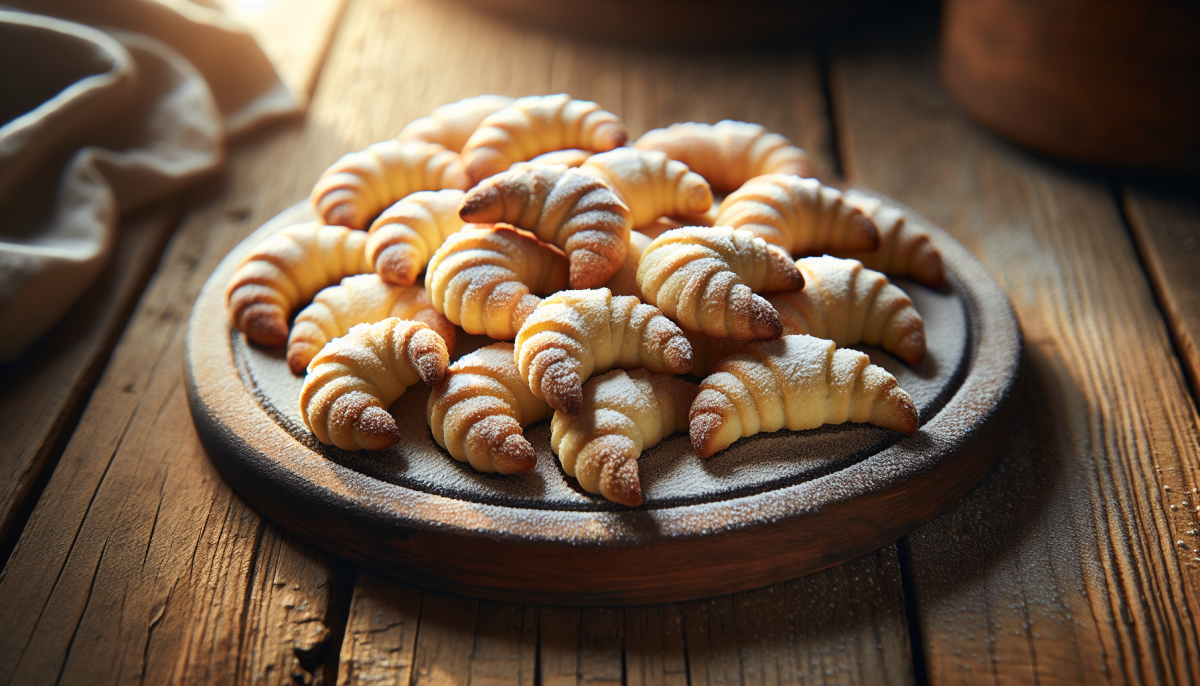
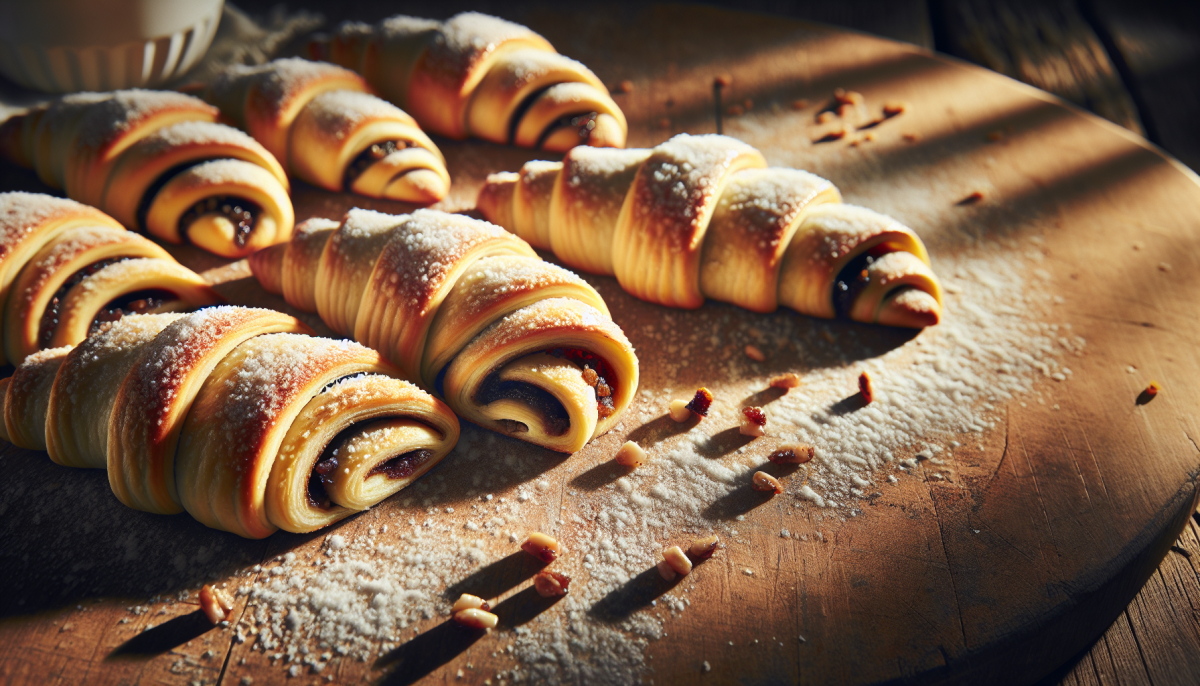
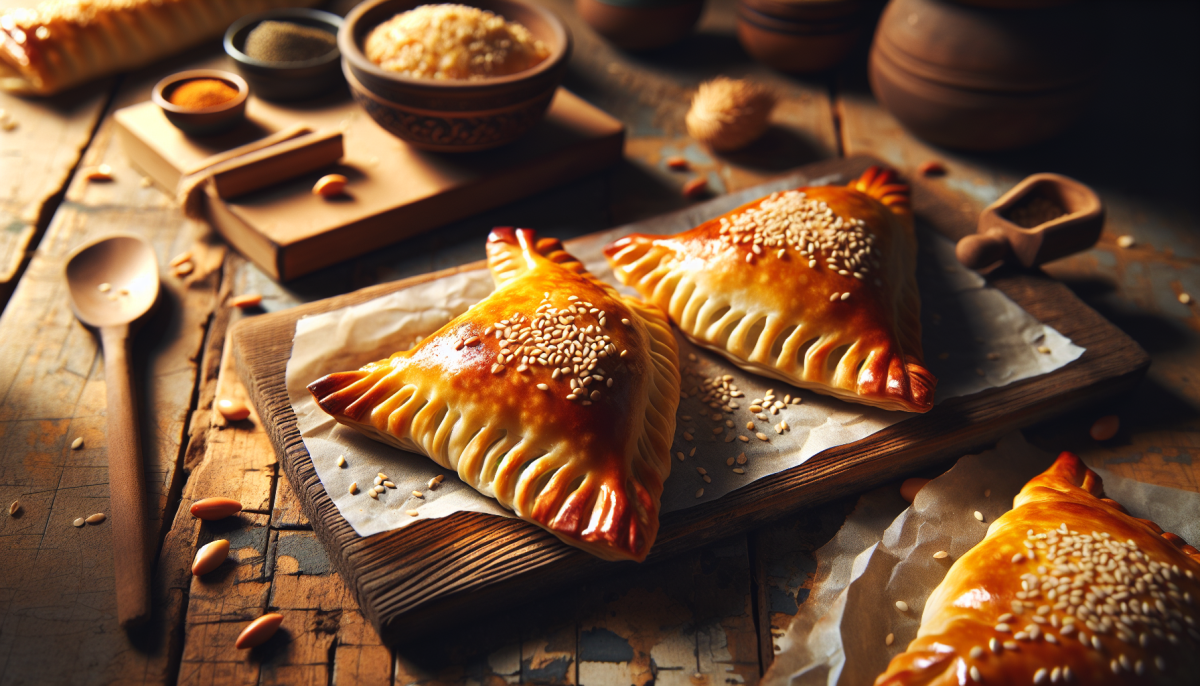
Kiflice are the crescent rolls of the Balkan Jewish kitchen. These tender, flaky pastries — filled with walnuts, jam, or cheese — were a staple of Jewish life in Serbia, Croatia, and Bosnia. Each one is a perfect crescent moon of buttery dough, golden and fragrant from the oven, dusted with powdered sugar like fresh snowfall.

The Jewish communities of the Balkans created a cuisine that blended Sephardic, Ashkenazi, and local traditions into something entirely unique. Kiflice reflect that heritage — they share DNA with both Ashkenazi rugelach and Sephardic boyos, but they are distinctly Balkan in their shape, filling, and character.

The walnut filling is the most traditional: freshly ground walnuts mixed with sugar, a little egg white, and a whisper of lemon zest. It is earthy, sweet, and perfectly complemented by the rich, tender dough. These are the pastries that Balkan Jewish grandmothers made for every occasion worth celebrating.

Categories
Recipes

Bulemas (Sephardic Spiral Pastries)

Dairy
Contains Dairy • Contains Eggs • Contains Gluten
Yield12 pastries
DifficultyIntermediate
Active Time45 minutes
Total Time2½ hours
BrachaMezonot

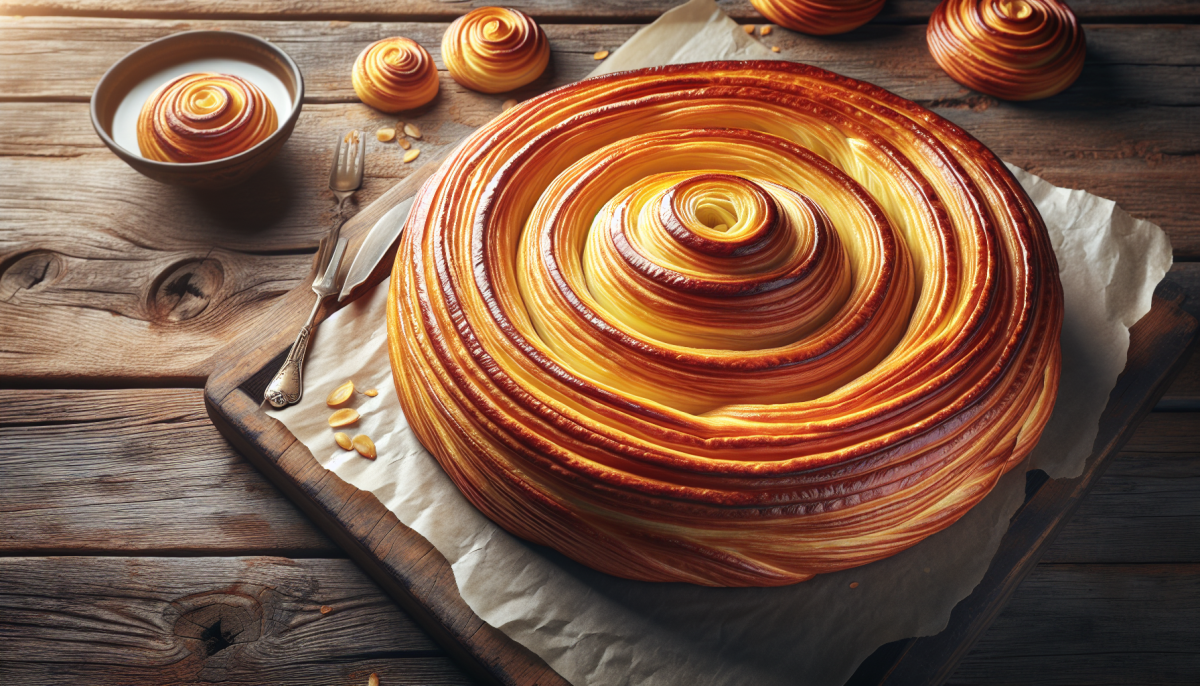
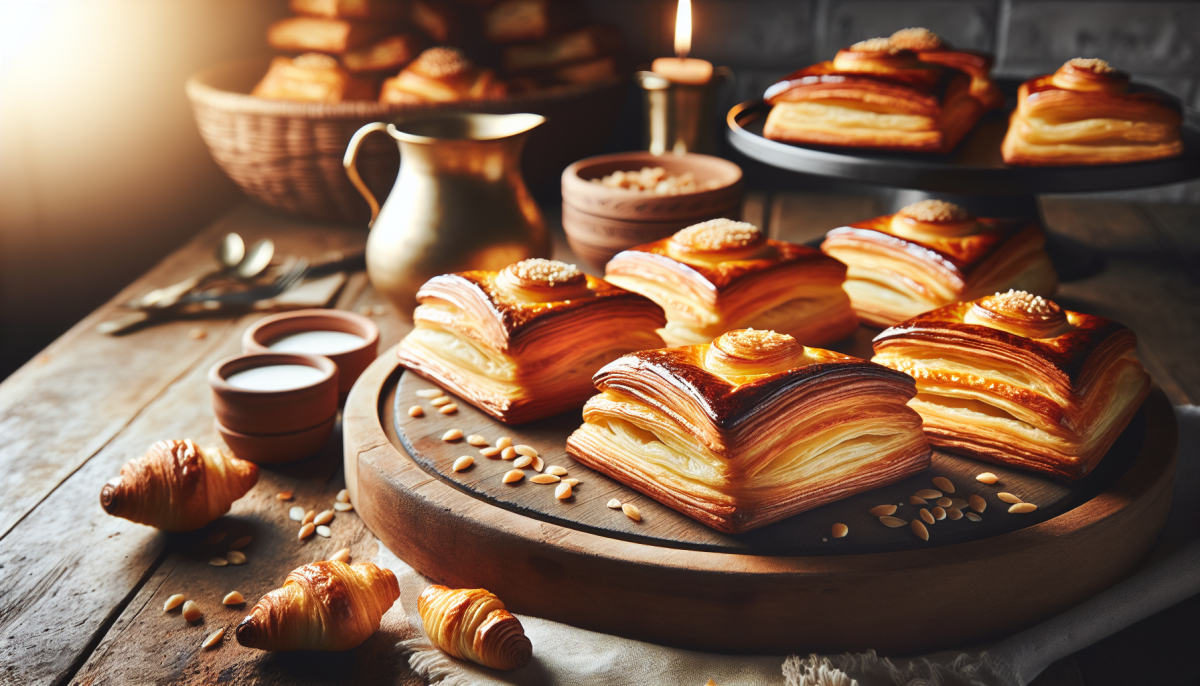
Bulemas are the spiral pastries of the Sephardic Turkish-Jewish kitchen. Each one is a golden coil of paper-thin dough wrapped around a savory filling of eggplant, cheese, or spinach. When baked, the outer layers crisp while the filling melts into a rich, satisfying center. They are the Sephardic answer to the question: “What is the most beautiful way to wrap a filling in dough?”

The word bulema comes from the Turkish börek tradition, adapted by Ladino-speaking Jews across the Ottoman Empire. In Sephardic communities from Istanbul to Thessaloniki, bulemas were shaped for Shabbat breakfast, holidays, and family celebrations. Each household had its signature filling and its own technique for stretching the dough.

The art of bulema-making lies in the dough. Unlike phyllo, which is rolled, bulema dough is stretched by hand over the backs of your fists until translucent. It is a skill passed from mother to daughter, a tactile knowledge that connects you to generations of Sephardic women bakers.

Categories
Recipes

Teiglach (Honey Dough Balls)

Pareve
Dairy-Free • Contains Eggs • Contains Gluten
Yield~60 pieces
DifficultyIntermediate
Active Time30 minutes
Total Time2 hours
BrachaMezonot

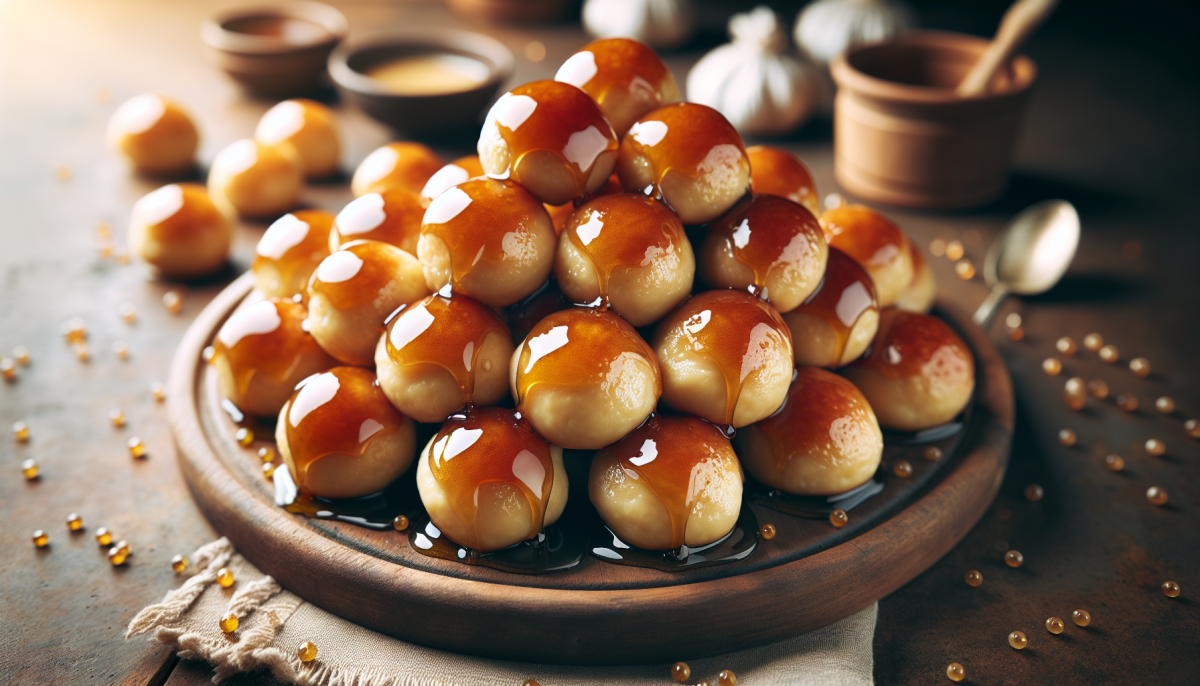
Teiglach are the honey-cooked dough balls that crown the Rosh Hashanah table. Small nuggets of simple egg dough, simmered in a bubbling honey syrup until they turn golden and caramelized, then tumbled with nuts and sometimes ginger. They are sticky, sweet, crunchy, and utterly addictive — the original Jewish candy.

The name comes from the Yiddish word for “little pieces of dough,” and teiglach have been part of Ashkenazi Rosh Hashanah celebrations for centuries. The honey syrup connects them to the universal Jewish wish for a sweet new year, while their golden color evokes prosperity and blessing.

Making teiglach is a communal activity. The dough is simple enough for children to roll, and the honey cooking process fills the kitchen with an intoxicating aroma. They are traditionally piled into a towering mound, glistening with honey, nuts scattered throughout like jewels.

Categories
Recipes

Mohn Cookies (Poppy Seed Cookies)

Pareve
Dairy-Free • Contains Eggs • Contains Gluten
Yield36 cookies
DifficultyBeginner
Active Time25 minutes
Total Time1½ hours
BrachaMezonot

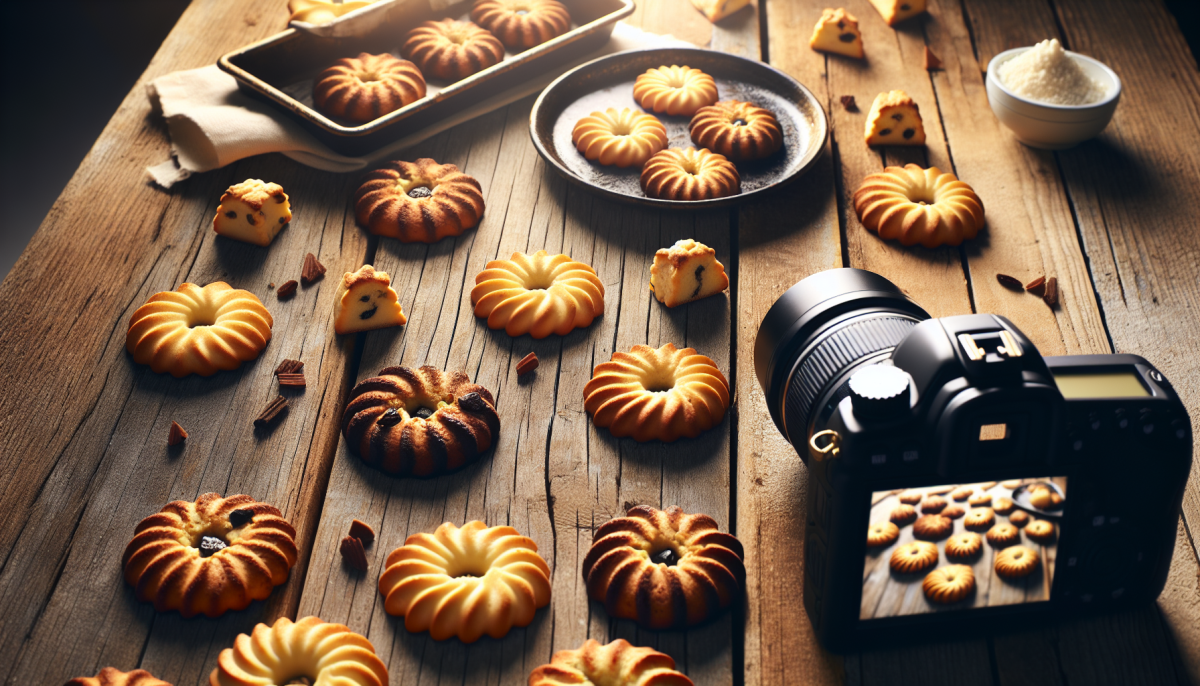
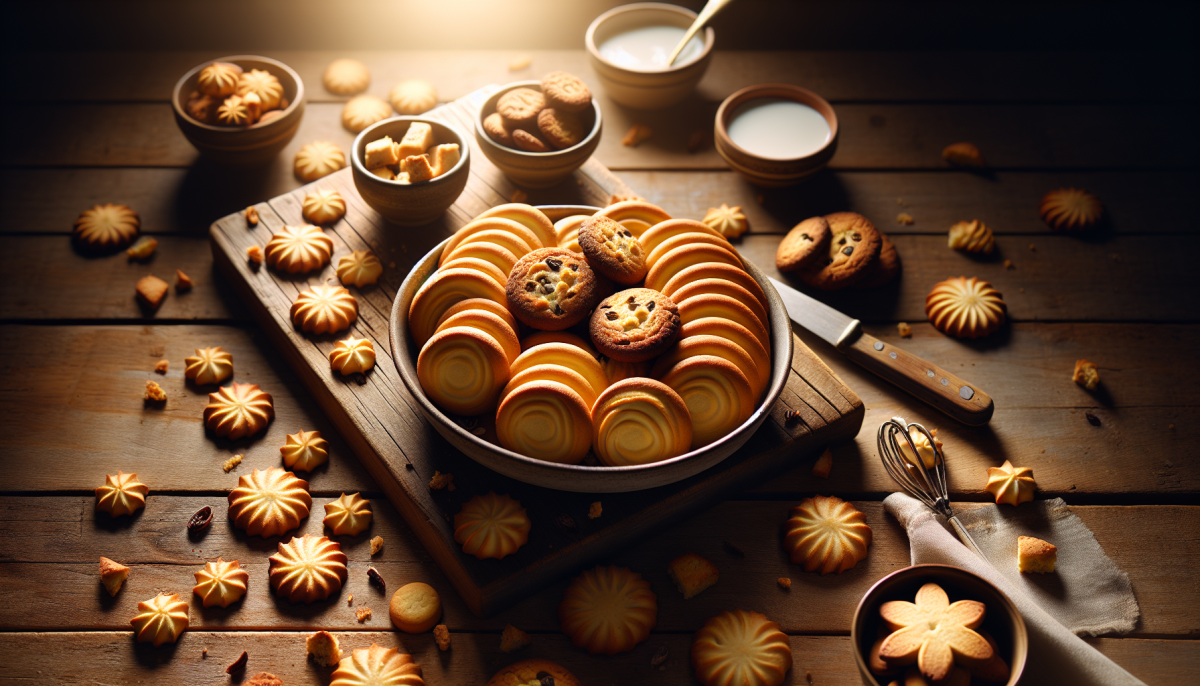
Mohn cookies are the poppy seed cookies that Ashkenazi grandmothers baked by the sheet pan. Mohn is the Yiddish word for poppy seeds, and these simple, fragrant cookies have been a fixture of Jewish baking from Vilna to Vienna. They are crispy at the edges, tender in the middle, and speckled throughout with tiny blue-black poppy seeds that add a subtle nuttiness.

Poppy seeds hold a special place in Ashkenazi cuisine. They appear in hamantaschen filling, strudels, and rolls (mohnstrudel), but these humble cookies may be the simplest and most satisfying way to enjoy them. A hint of lemon zest brightens the flavor, while a generous amount of poppy seeds gives each bite a delicate crunch.

These are not fussy cookies. No piping bags, no tempering chocolate, no rolling and cutting. Just mix, scoop, bake, and enjoy with a cup of tea. They are the kind of cookie that belongs in a tin on the kitchen counter, ready for anyone who walks through the door.

Categories
Recipes

Rogaliki (Russian Jewish Crescent Cookies)

Dairy
Contains Dairy • Contains Eggs • Contains Gluten
Yield48 cookies
DifficultyIntermediate
Active Time50 minutes
Total Time3 hours
BrachaMezonot

Rogaliki are the crescent-shaped cookies that Russian and Polish Jewish grandmothers shaped by the dozens. Each tiny crescent — no bigger than your thumb — wraps a tender cream cheese dough around a sweet filling of jam, walnuts, or poppy seeds. They are the kind of cookie that disappears from the plate before you realize you have eaten six.

The name comes from the Slavic word for “little horns,” describing their curved crescent shape. In Jewish communities from Moscow to Minsk, from Odessa to Warsaw, rogaliki appeared at every simcha, every kiddush, every tea-time gathering. They are cousins of rugelach, sharing the same cream cheese dough tradition, but shaped differently and often filled with fruit preserves.

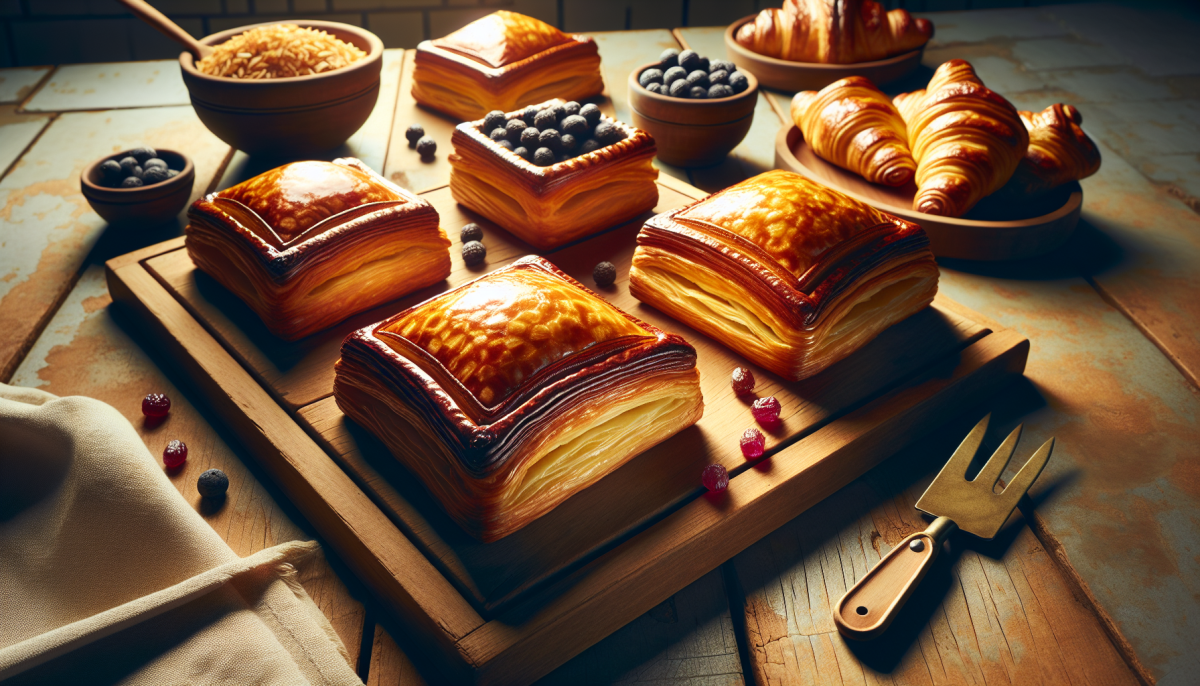
The magic of rogaliki is in the cream cheese dough. It bakes into something impossibly flaky — almost like a miniature croissant — while remaining tender and rich. The contrast between the crispy, golden exterior and the sweet, jammy interior is what keeps you reaching for one more.

Categories
Recipes

Beigli (Hungarian Jewish Walnut Roll)

Pareve
Dairy-Free • Contains Eggs • Contains Gluten • Contains Walnuts
Yield2 rolls (20 slices each)
DifficultyIntermediate
Active Time45 minutes
Total Time3½ hours
BrachaMezonot

Beigli is the crown jewel of Hungarian Jewish baking. This magnificent walnut-filled rolled pastry graced every holiday table in Budapest’s once-thriving Jewish quarter. Sliced crosswise to reveal its dark, intoxicating swirl of ground walnuts and sugar, beigli is the kind of pastry that makes you close your eyes on first bite.

Hungarian Jews brought beigli to Israel, to New York, to Buenos Aires — wherever they rebuilt their lives. Unlike many pastries that rely on butter, the Jewish version uses oil, making it pareve and suitable for any meal. The dough is tender, almost brioche-like, enriched with eggs and a touch of sour cream (use pareve substitute for this version), while the filling is dense, fragrant, and slightly bitter from freshly ground walnuts.

This recipe produces two generous rolls — one to slice and serve, one to wrap and freeze for the next celebration. Whether it is Rosh Hashanah, Purim, or simply a Tuesday that deserves something beautiful, beigli delivers.

In Hungarian Jewish tradition, beigli was always made in pairs — one walnut, one poppy seed. This recipe focuses on the walnut version, the undisputed favorite.

Categories
Recipes

Jewish Apple Cake

Pareve

Yield
1 tube pan (12–16 servings)
Difficulty
Beginner
Active Time
30 minutes
Total Time
1¾–2 hours
Bracha
Mezonot

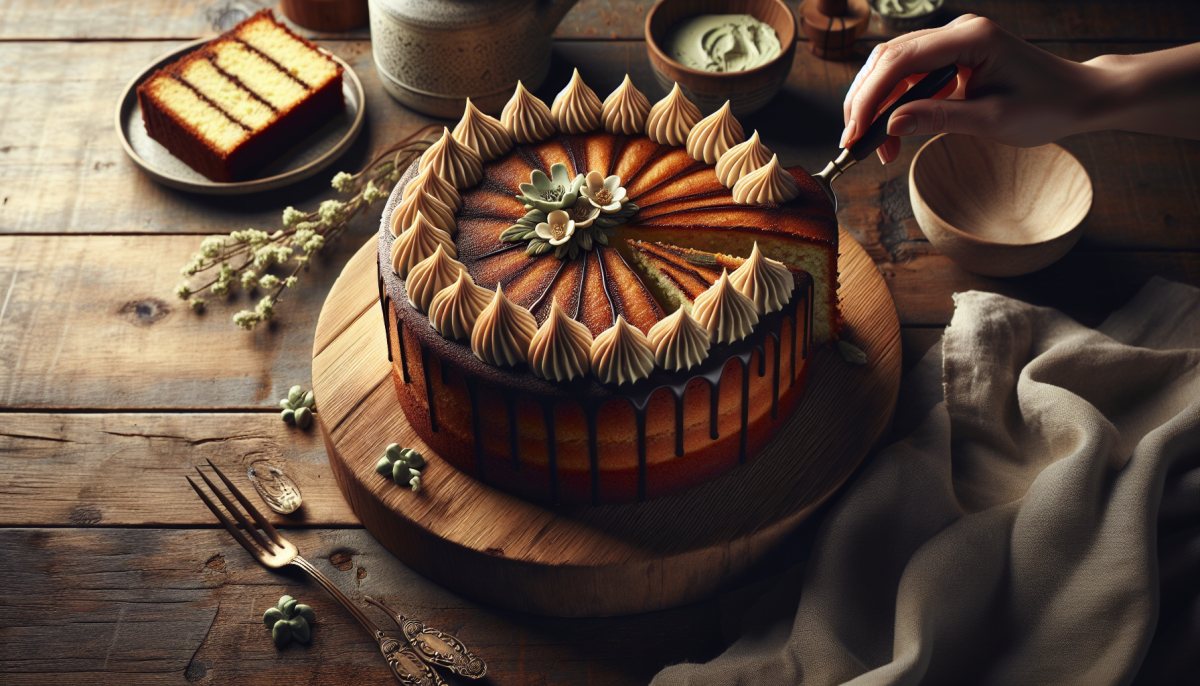
Jewish apple cake is the great equalizer of kosher baking — every family has a recipe, every recipe is “the best,” and every version disappears before you can photograph it. This is the cake that appears at Rosh Hashanah dinner, at Sukkot lunches, at shiva houses, at potlucks, at every occasion where a pareve dessert is needed and there is no room for failure.

The genius of Jewish apple cake is its simplicity and its ratio: massive amounts of cinnamon-coated apple slices layered with a tender oil-based batter in a tube or bundt pan. The apples release their juices as they bake, creating pockets of apple butter within the cake. The exterior develops a caramelized crust while the inside stays impossibly moist, even days later.

This is not a delicate cake. It is sturdy, generous, and unapologetically sweet-spiced. It travels well, slices cleanly, and tastes even better the next day. It is also one of the few cakes that is genuinely better pareve — the oil-based batter creates a moister crumb than butter ever could.

Categories
Recipes

Konafa (Kunafa)

Dairy

Yield
8–10 servings
Difficulty
Intermediate
Active Time
30 minutes
Total Time
1½ hours
Bracha
Mezonot

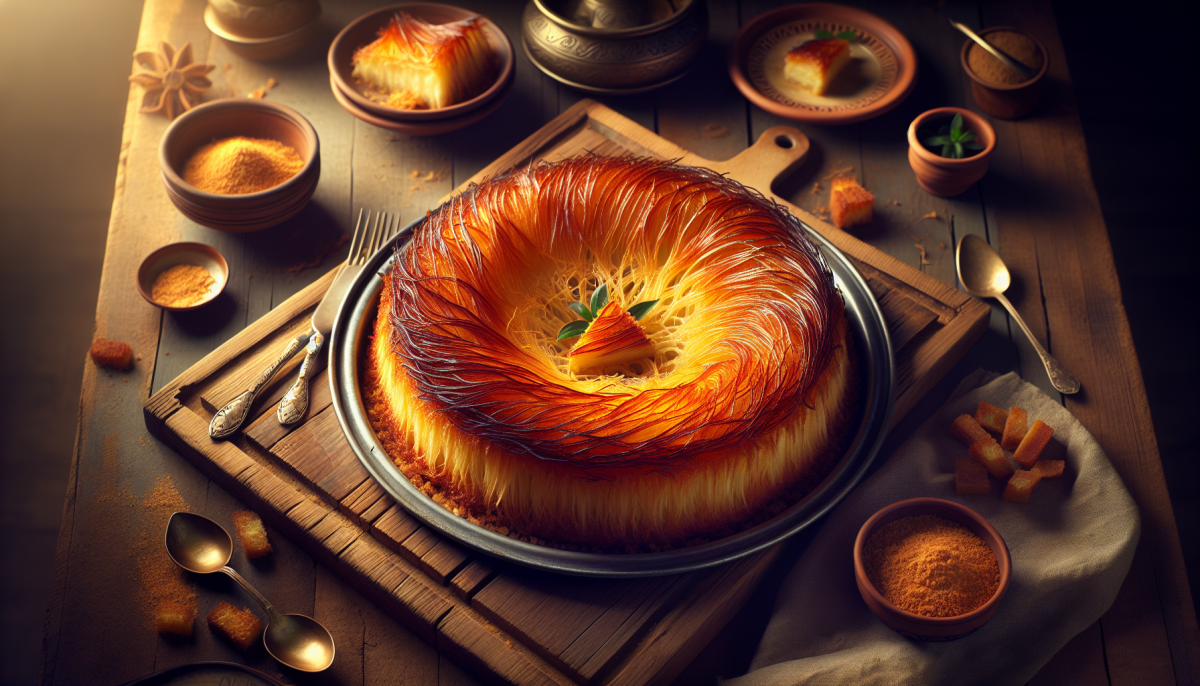
Konafa (also spelled kunafa, knafeh, or kanafeh) is the dessert that stops traffic in the shuk. A disc of shredded phyllo dough (kataifi), crisped golden in butter or oil, enclosing a core of molten, stretchy cheese, drenched in orange blossom sugar syrup. The first bite is an orchestra of textures: shattering crunch, oozing cheese, fragrant syrup, all in one extraordinary mouthful.

For Sephardi and Mizrachi Jews, konafa is the celebration dessert — present at every brit, every Shabbat where guests are honored, every holiday where dairy is served. In Israel, konafa from the Nablus tradition has become a national obsession, sold from specialized shops where the pastry is made in enormous trays and cut to order.

This home version is fully achievable. The kataifi dough (shredded phyllo) is available frozen at Middle Eastern markets. You mix it with melted butter or oil, press half into a pan, add the cheese filling, top with the rest of the kataifi, and bake. The syrup goes on while everything is hot, and you serve immediately while the cheese is still stretching.

Categories
Recipes

Walnut Ma’amoul

Pareve

Yield
30 cookies
Difficulty
Intermediate
Active Time
1 hour
Total Time
2½ hours
Bracha
Mezonot

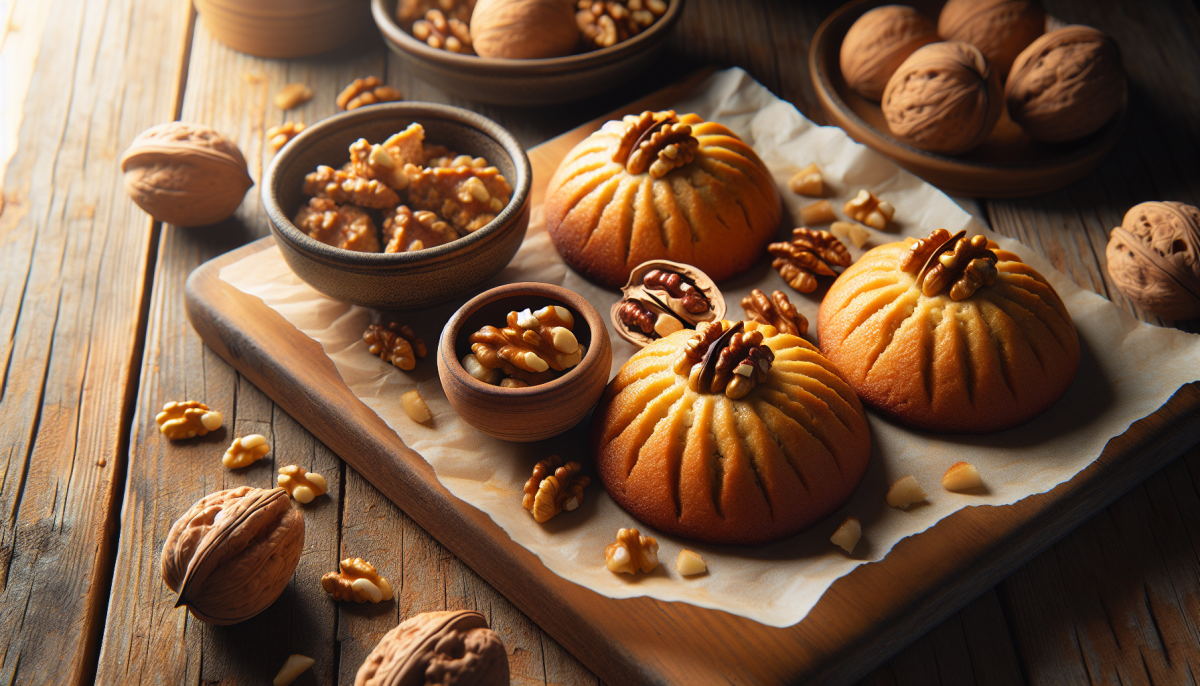
Ma’amoul are the celebration cookies of the Sephardi and Mizrachi world — tender, crumbly shortbread shells stuffed with sweetened nuts, pressed into decorative molds, and dusted with powdered sugar. If the date version is the classic, the walnut version is the showstopper: fragrant with cinnamon, orange blossom water, and toasted walnuts, each cookie a small work of edible art.

For Syrian, Lebanese, and Iraqi Jews, walnut ma’amoul were the cookies of Purim, Shavuot, Rosh Hashanah, and every simcha in between. Families would spend days making hundreds, using carved wooden molds (taabi) to stamp each cookie with an intricate pattern that identified the filling: elongated ovals for walnuts, round domes for dates, flat circles for pistachios.

The dough is made with semolina and flour, enriched with oil, and scented with rose water or orange blossom water. It has a sandy, melt-in-your-mouth texture unlike any other cookie dough — tender enough to crumble at the first bite, yet sturdy enough to hold its molded shape.

Categories
Recipes

Tahini Cookies

Pareve

Yield
24 cookies
Difficulty
Beginner
Active Time
20 minutes
Total Time
45 minutes
Bracha
Mezonot

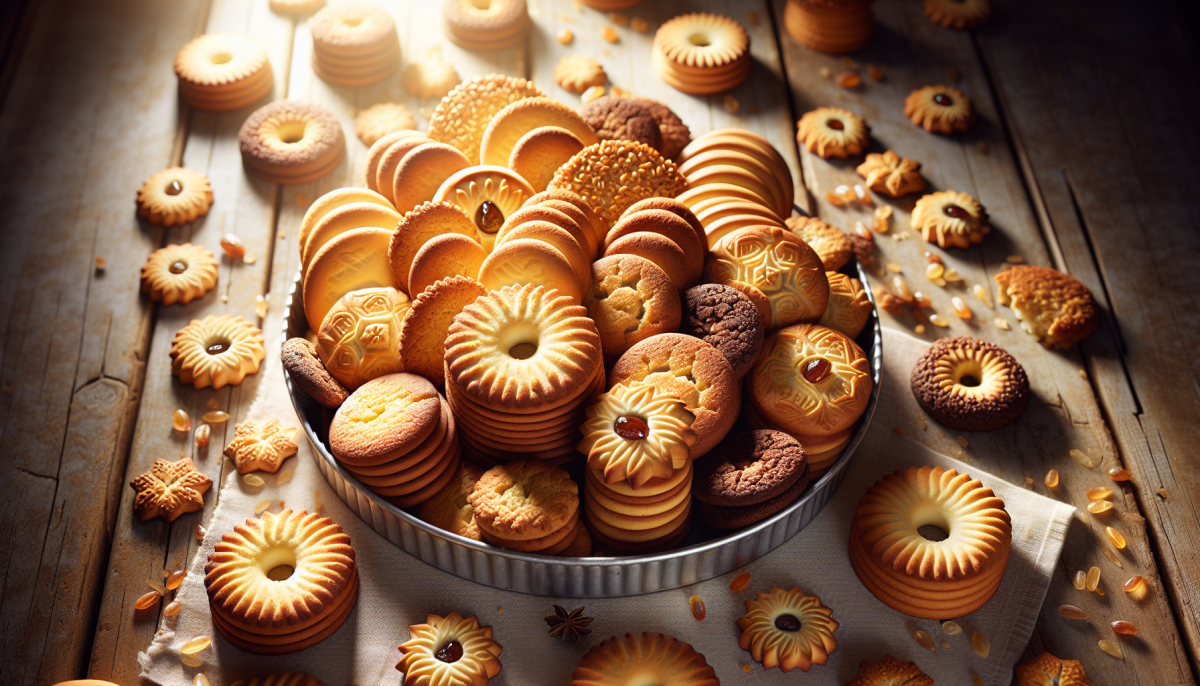
Tahini cookies are the cookie that Israel gave the world — chewy, nutty, deeply sesame-flavored, with a crackled top and a soft center that borders on fudgy. They require only five core ingredients (tahini, sugar, egg, vanilla, salt) and come together faster than you can preheat your oven. No flour, no butter, no dairy — just pure tahini magic.

These cookies have taken kosher bakeries and food blogs by storm, and for good reason. They are naturally pareve, easily adaptable to be gluten-free, and have a flavor profile that is entirely unique — nothing else tastes quite like a tahini cookie. The sesame paste creates a texture somewhere between a peanut butter cookie and a French macaron, with beautiful crackled tops that form naturally as they bake.

Roll them in sesame seeds before baking for extra crunch, or press a square of halvah into the center for a decadent variation. These are the cookies that disappear from the plate first at every kiddush, every bake sale, every holiday gathering.