Categories
Recipes

Bulemas (Sephardic Spiral Pastries)

Dairy
Contains Dairy • Contains Eggs • Contains Gluten
Yield12 pastries
DifficultyIntermediate
Active Time45 minutes
Total Time2½ hours
BrachaMezonot

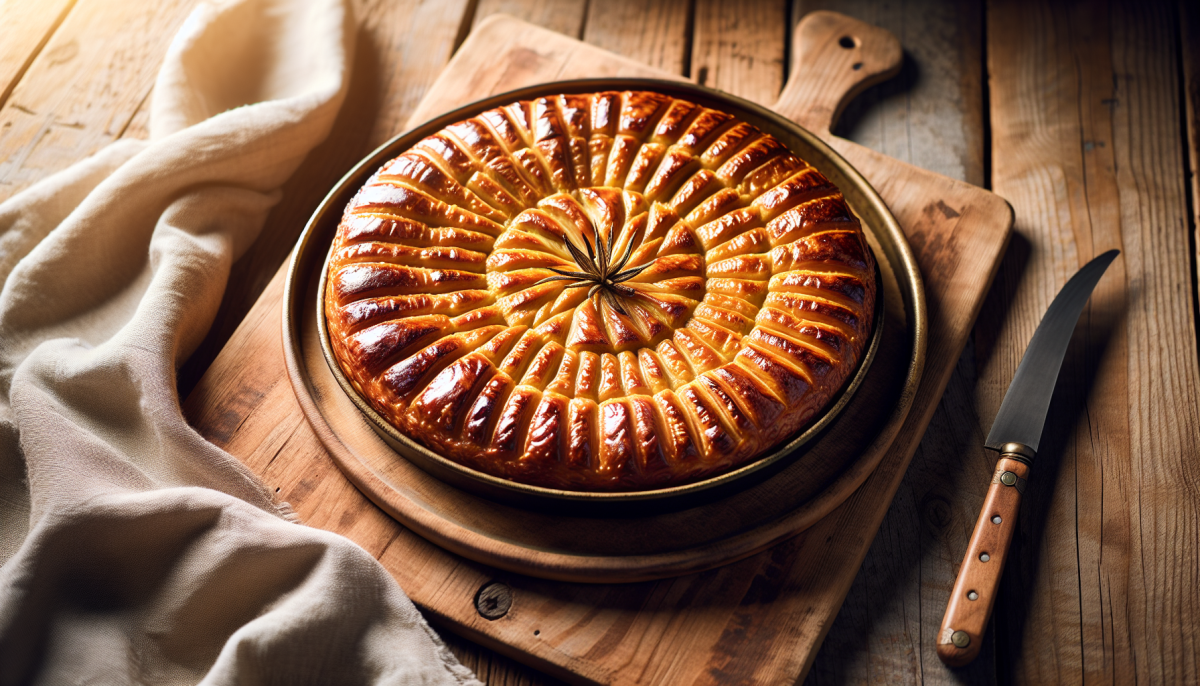
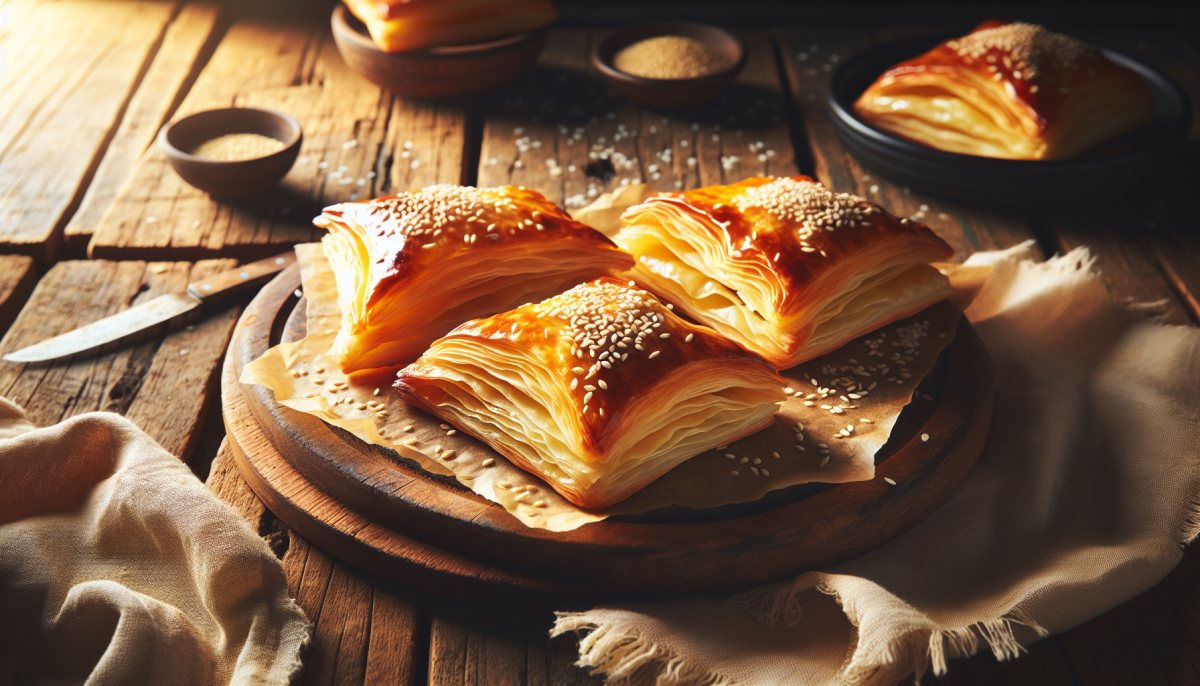
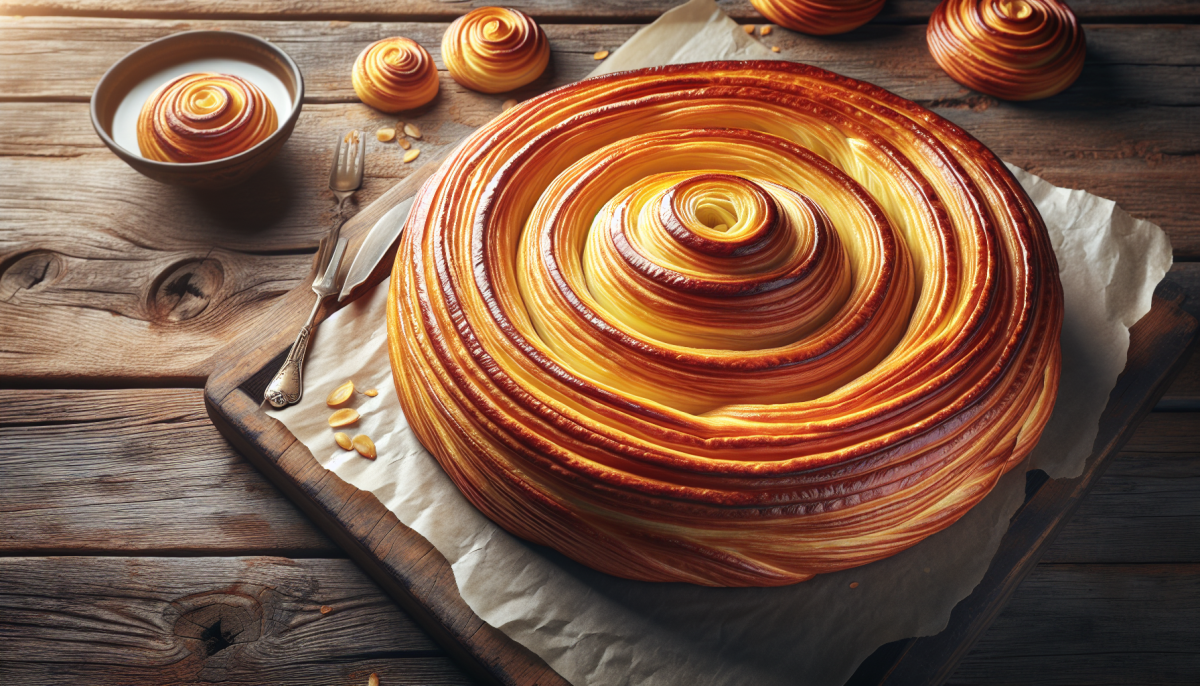
Bulemas are the spiral pastries of the Sephardic Turkish-Jewish kitchen. Each one is a golden coil of paper-thin dough wrapped around a savory filling of eggplant, cheese, or spinach. When baked, the outer layers crisp while the filling melts into a rich, satisfying center. They are the Sephardic answer to the question: “What is the most beautiful way to wrap a filling in dough?”

The word bulema comes from the Turkish börek tradition, adapted by Ladino-speaking Jews across the Ottoman Empire. In Sephardic communities from Istanbul to Thessaloniki, bulemas were shaped for Shabbat breakfast, holidays, and family celebrations. Each household had its signature filling and its own technique for stretching the dough.

The art of bulema-making lies in the dough. Unlike phyllo, which is rolled, bulema dough is stretched by hand over the backs of your fists until translucent. It is a skill passed from mother to daughter, a tactile knowledge that connects you to generations of Sephardic women bakers.

Categories
Recipes

Potato Bourekas

Pareve

Yield
16 pastries
Difficulty
Intermediate
Active Time
1 hour
Total Time
2½–3 hours
Bracha
Mezonot

Potato bourekas are the pareve pillar of Sephardi baking — flaky pastry wrapped around a creamy, seasoned potato filling, baked until golden and shatteringly crisp. While cheese bourekas signal dairy and triangle shapes, potato bourekas are traditionally made in a half-moon or rectangle shape and can be eaten at any meal, making them perhaps the most versatile pastry in the Sephardi repertoire.

The filling is simple but must be done right: potatoes boiled until tender, mashed smooth, seasoned with salt, pepper, and a touch of nutmeg. Some traditions add sautéed onions; others keep it pure. The pastry can be homemade puff pastry, a simple oil-based dough, or store-bought puff pastry — we use a buttery-style pareve dough that bakes into layers without any dairy.

In Israel, potato bourekas are everywhere — bakeries, gas stations, bus stations, office kitchens. But homemade bourekas are in a different league entirely. The pastry is more delicate, the filling is seasoned with care, and the pride of serving your own bourekas at Shabbat kiddush is worth every minute of preparation.

Categories
Recipes

Moroccan Khobz

Pareve

Yield
2 round loaves
Difficulty
Beginner–Intermediate
Active Time
30 minutes
Total Time
3–4 hours
Bracha
HaMotzi

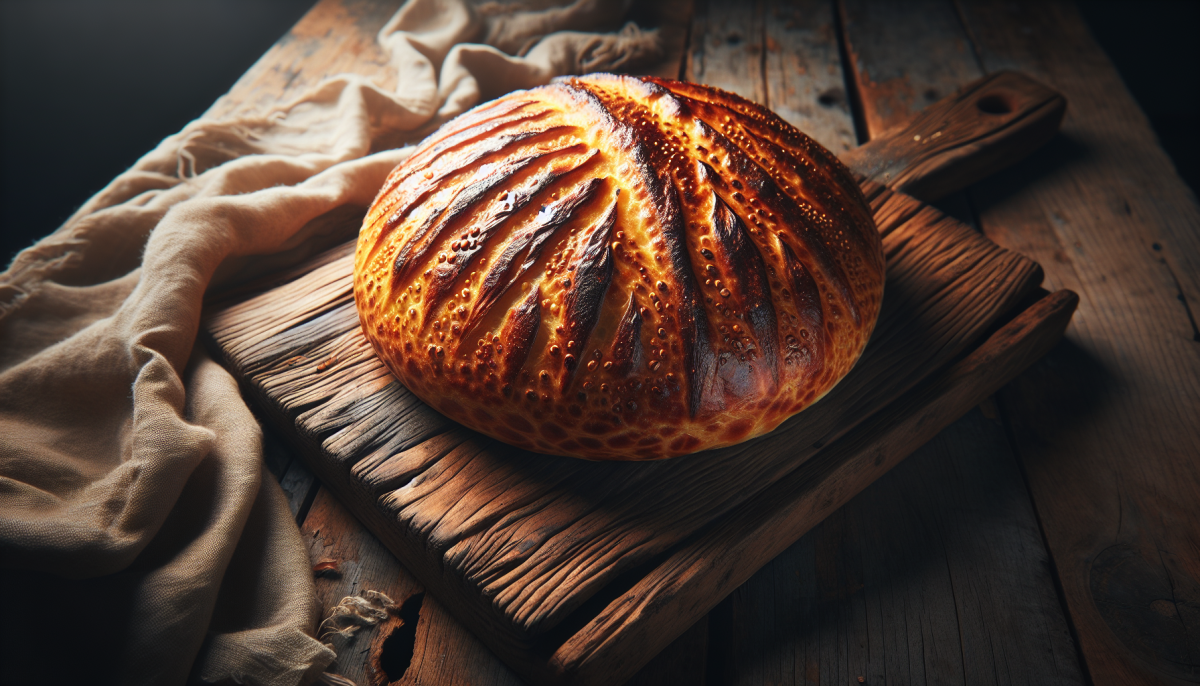
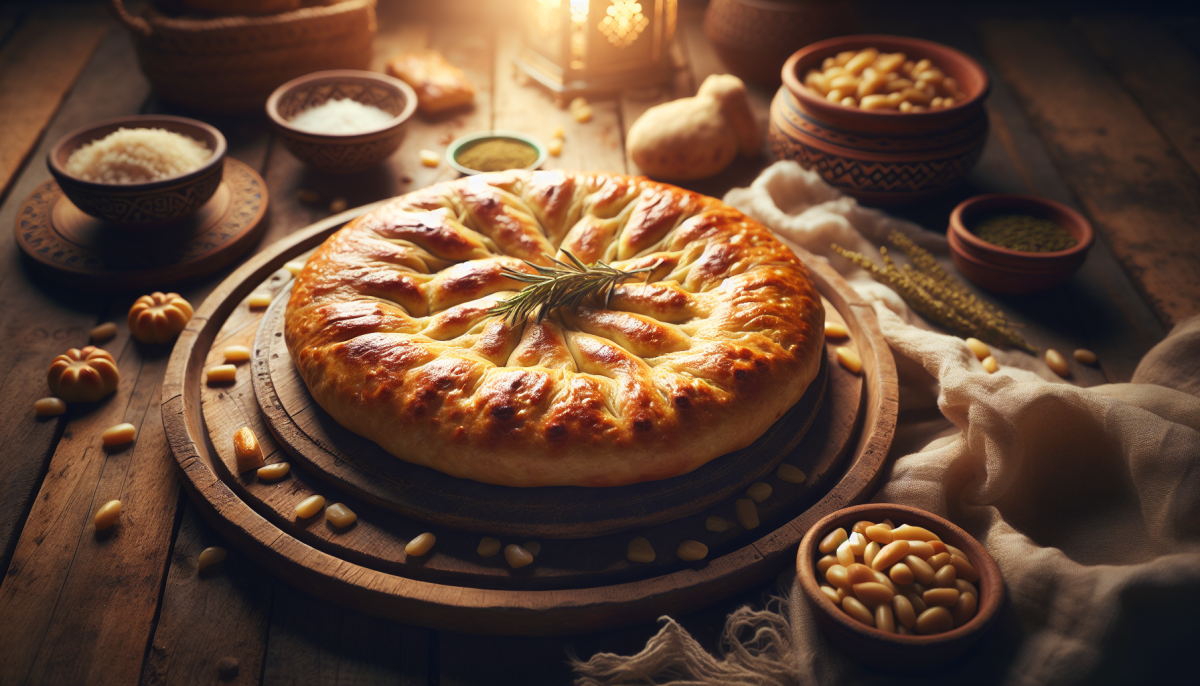
Khobz is the daily bread of Morocco — round, flat, golden, and essential at every meal. For Moroccan Jews, no Shabbat table, no weekday dinner, no holiday celebration was complete without khobz. It is the bread you tear with your hands, the bread you use to scoop tagine, the bread that soaks up every last drop of sauce on the plate.

What distinguishes Moroccan khobz from other round breads is the semolina flour blended into the dough. This gives the crust a golden, slightly gritty texture and the interior a tender, almost cake-like crumb. Anise seeds and sesame seeds are traditional additions that perfume the bread with warm, sweet-spicy notes unique to Moroccan baking.

The shape is always the same: a round, slightly domed disc, scored with a fork or knife before baking. In Morocco, families would mark their dough with a distinctive pattern so the communal bakery (ferran) could return the correct loaves after baking. Today, the scoring is decorative, but the tradition endures.

Categories
Recipes

Tunisian Fricassée

Pareve

Yield
8 buns
Difficulty
Intermediate
Active Time
45 minutes
Total Time
3–4 hours
Bracha
HaMotzi

Tunisian fricassée is not what the French word might suggest — it is a small, round bun of enriched dough, deep-fried until golden and puffy, then split and stuffed with a fiery, tangy filling of tuna, boiled egg, harissa, olives, capers, and preserved lemon. It is the street food of Tunis, and for Tunisian Jews, it was the snack of every market day, every celebration, every gathering where hunger and joy intersected.

The bun itself is the star — light, airy, with a thin crispy shell that yields to a soft, almost brioche-like interior. The frying transforms simple dough into something extraordinary: golden, puffy, and ready to absorb the flavors of whatever you stuff inside.

The traditional filling is pareve when made with canned tuna, making these perfect for any meal. The combination of spicy harissa, briny olives, and rich egg yolk creates a flavor explosion in every bite. Tunisian Jews brought these to Israel, France, and beyond, and they remain one of the great underappreciated dishes of the Jewish diaspora.

Categories
Recipes

Sambousek (Cheese Pastries)

🧀 Dairy
Yield: ~24 pastries  |  Difficulty: Intermediate  |  Active Time: 1 hour  |  Total Time: 2 hours  |  Bracha: Mezonot

This beloved recipe from the Syrian Jewish tradition brings authentic flavors to your home kitchen. Following the Kosher Bread Pro template with precise measurements, baker’s percentages, and detailed halachic guidance, this recipe ensures a perfect result every time.

Whether you’re an experienced baker or trying this for the first time, the step-by-step instructions and troubleshooting tips will guide you to success. Every ingredient is carefully chosen and every technique explained for reliable, delicious results.

Categories
Recipes

Spinach Bourekas

🧀 Dairy
Yield: 12 bourekas  |  Difficulty: Intermediate  |  Active Time: 45 min  |  Total Time: 2½ hours  |  Bracha: Mezonot

This beloved recipe from the Israeli tradition brings authentic flavors to your home kitchen. Following the Kosher Bread Pro template with precise measurements, baker’s percentages, and detailed halachic guidance, this recipe ensures a perfect result every time.

Whether you’re an experienced baker or trying this for the first time, the step-by-step instructions and troubleshooting tips will guide you to success. Every ingredient is carefully chosen and every technique explained for reliable, delicious results.

Categories
Recipes

Moroccan Msemen

✔ Pareve
Yield: 8 flatbreads  |  Difficulty: Intermediate  |  Active Time: 45 min  |  Total Time: 2 hours  |  Bracha: Mezonot

This beloved recipe from the Moroccan Jewish tradition brings authentic flavors to your home kitchen. Following the Kosher Bread Pro template with precise measurements, baker’s percentages, and detailed halachic guidance, this recipe ensures a perfect result every time.

Whether you’re an experienced baker or trying this for the first time, the step-by-step instructions and troubleshooting tips will guide you to success. Every ingredient is carefully chosen and every technique explained for reliable, delicious results.

Categories
Recipes

Cheese Bourekas Recipe: Savory Sephardic Pastry

🧀 Dairy
Yield: 16 bourekas  |  Difficulty: Intermediate  |  Active Time: 45 minutes  |  Total Time: 3 hours  |  Bracha: Mezonot

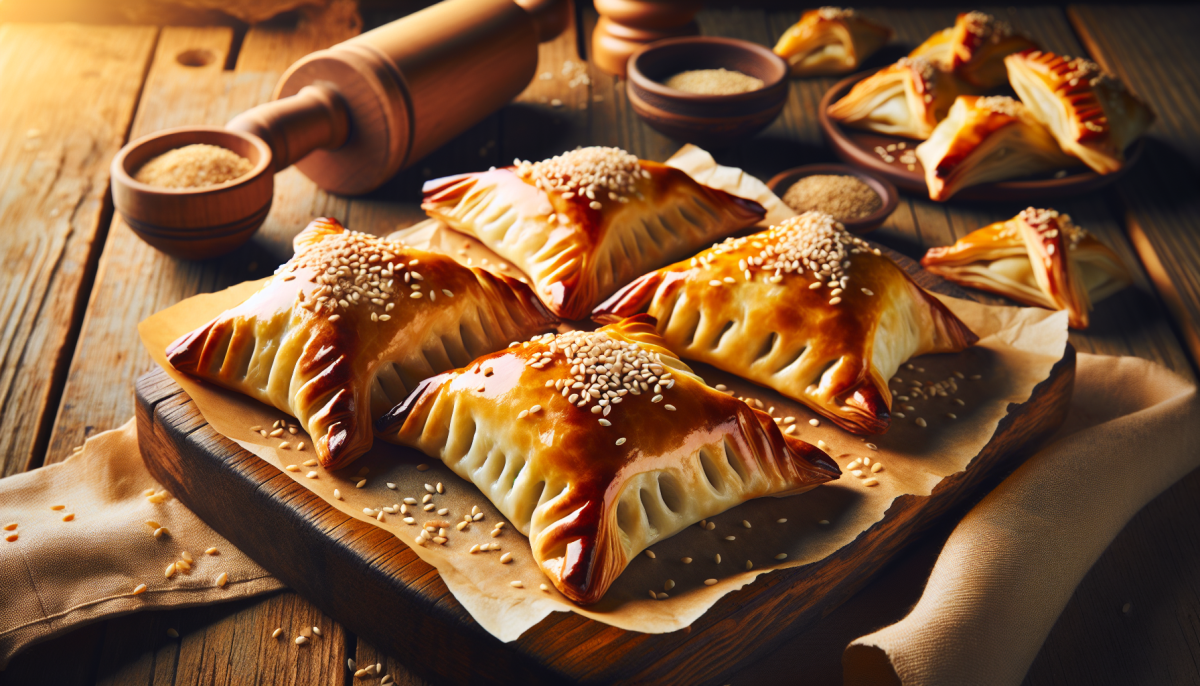
Cheese bourekas are the undisputed king of Israeli breakfast—flaky, golden pastry parcels bursting with a savory, tangy cheese filling that has been satisfying Sephardic and Mizrahi Jews for generations. Walk into any Israeli bakery on a Friday morning and the first thing you’ll see is a gleaming tray of bourekas, their sesame-topped surfaces glistening with egg wash, served with a hard-boiled egg and a dish of pickles on the side.

The bourekas tradition traveled with Sephardic Jews from the Ottoman Empire to Israel, where it became one of the most iconic foods of the nation. In Turkey, Greece, and the Balkans, Jewish communities developed their own variations: triangular for cheese (so you could identify the filling by shape), spiral for spinach, and rectangular for potato. This identification system was practical in communities where dairy and meat needed to be clearly distinguished, and it persists in Israeli bakeries to this day.

These cheese bourekas feature a homemade flaky dough (easier than you think) wrapped around a filling of crumbled feta, ricotta, and fresh herbs. The dough uses a simple oil-based lamination technique that creates dozens of flaky layers without the complexity of traditional puff pastry. The result is a boureka with a crust that shatters audibly when you bite through it, revealing a warm, creamy, tangy cheese interior that is absolutely irresistible.

Categories
Recipes

Burekas Recipe — Sephardic Cheese-Filled Pastries

Dairy
Contains Dairy • Contains Eggs • Contains Gluten
Yield24 burekas
DifficultyIntermediate
Active Time45 minutes
Total Time2½–3 hours
BrachaMezonot

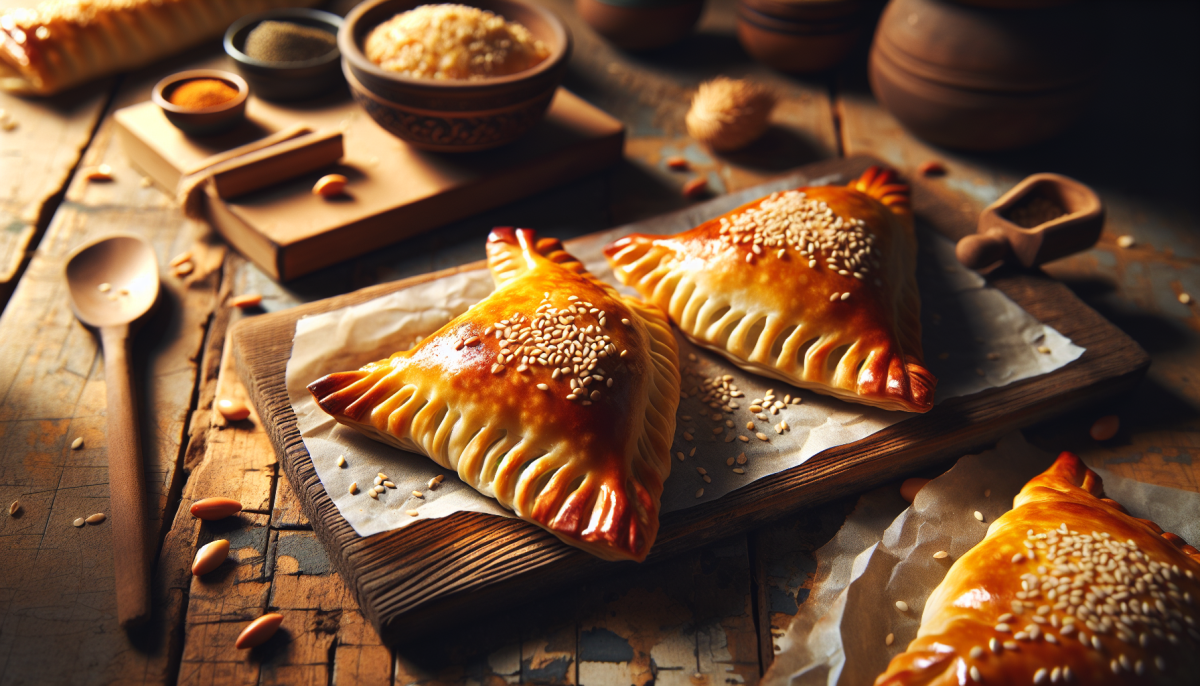
Burekas are the Sephardic pastry that conquered Israel. Walk down any street in Tel Aviv, Jerusalem, or Haifa and you will find them: golden, flaky, sesame-crusted crescents and triangles filled with salty cheese, creamy potatoes, or wilted spinach. They are the ultimate Israeli street food, sold from bakery windows for breakfast, lunch, and every snack in between. They are also one of the great Sephardic Jewish contributions to the world’s pastry canon.

The word burekas (also spelled börek, bourekas, or burek) traces back to the Ottoman Empire, where filled pastries were a staple of Turkish, Greek, and Balkan cuisines. Sephardic Jews throughout the Ottoman world — in Istanbul, Salonica, Izmir, and Rhodes — adopted and adapted the tradition, creating their own versions filled with the cheeses and vegetables available in their communities. When these Jews immigrated to Israel, they brought their burekas with them.

In Israeli bakeries, the shape of a burekas tells you its filling — a code that every Israeli learns as a child: triangles are cheese, half-moons are potato, rectangles are spinach. This system allows you to grab what you want without asking, even at the busiest bakery counter. It is an elegant solution born from practical necessity.

For another Sephardic filled pastry tradition, try our Sambusak. For Ashkenazi filled pastries, see our Hamantaschen.

Categories
Recipes

Sambusak Recipe — Iraqi Jewish Filled Pastries

Pareve
Chickpea Filling • Contains Gluten • Meat option below
Yield
~30 pastries
Difficulty
Intermediate
Active Time
1 hour
Total Time
2–2.5 hours
Bracha
Mezonot

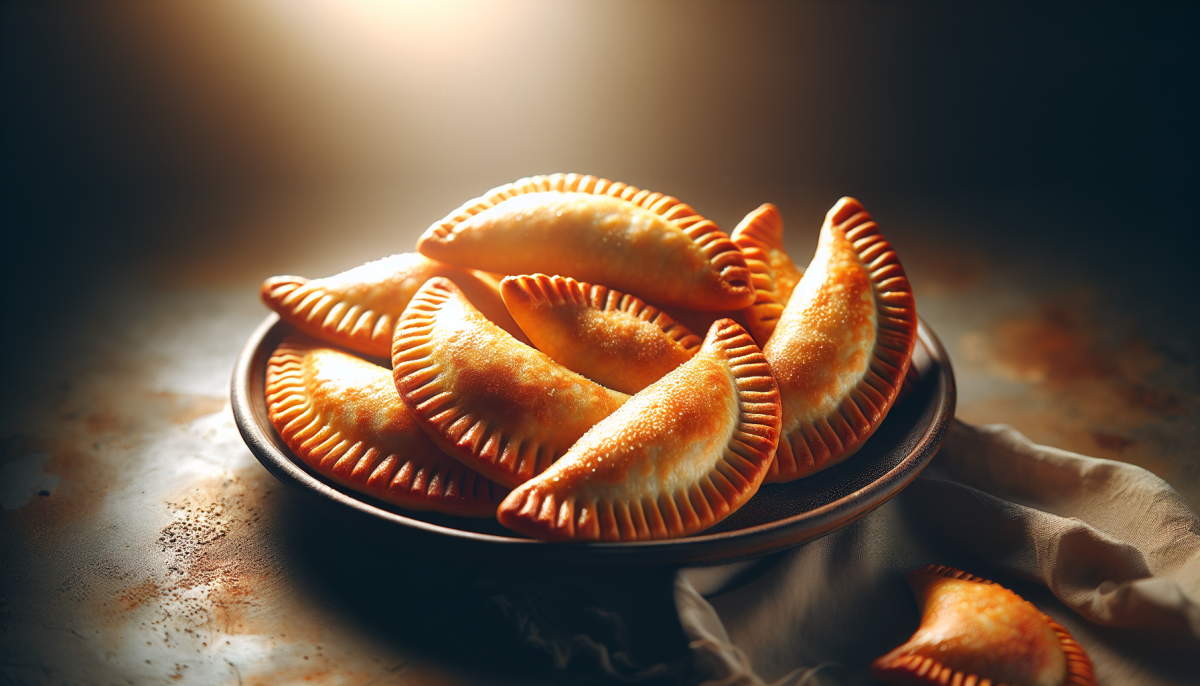
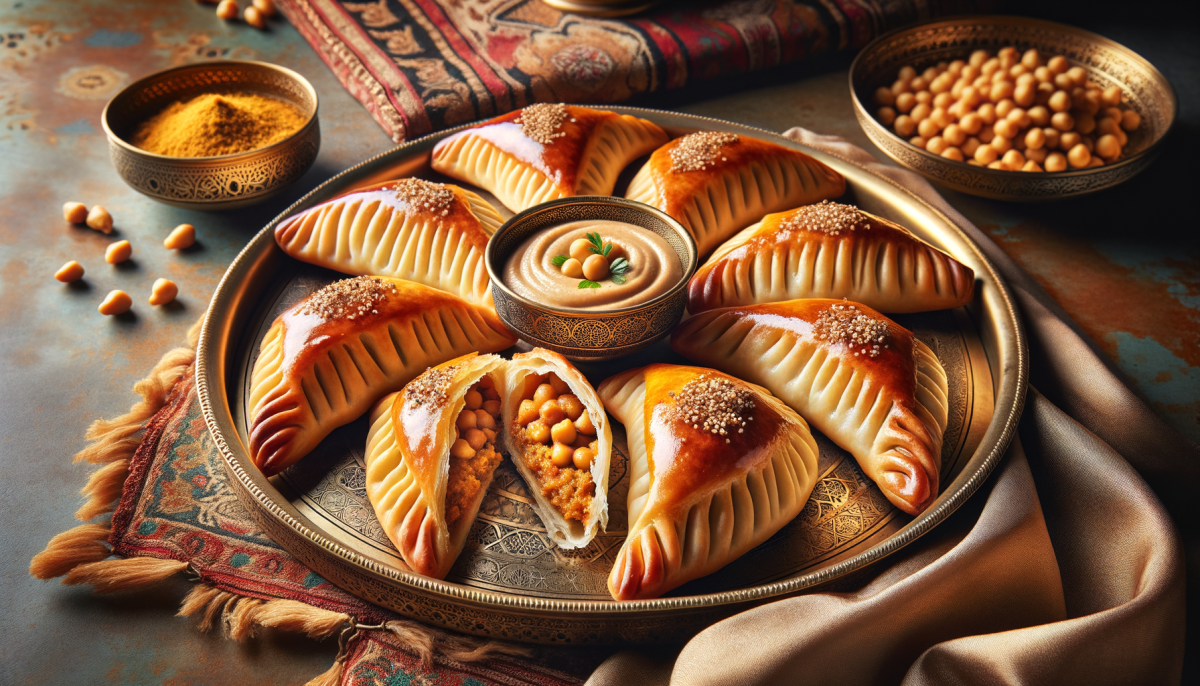
Sambusak are the golden, half-moon pastries that have graced the Shabbat tables of Iraqi and Syrian Jewish families for centuries. Imagine biting through a thin, shatteringly crisp shell — enriched with semolina for a sandy, delicate crunch — into a warm, fragrant filling of spiced chickpeas or seasoned lamb. These are not dumplings, not empanadas, not samosas, though they share ancient DNA with all of them. Sambusak are something entirely their own: the quintessential savory pastry of Babylonian Jewry.

In Iraqi Jewish homes, sambusak (sambusak, סמבוסק) were a labor of love, often made in large batches by mothers and grandmothers on Thursday or Friday morning, the kitchen fragrant with cumin and turmeric. The chickpea version — pareve and endlessly versatile — was the most common, served alongside Shabbat lunch, at kiddush, during holidays, and at every celebration from brit milah to Purim. The meat version, rich with spiced ground lamb or beef, appeared at more festive occasions.

What sets sambusak apart from similar pastries around the Middle East is the dough. Iraqi Jewish bakers developed a distinctive mixture of flour and fine semolina, bound with oil rather than butter, creating a crust that is simultaneously flaky, crisp, and tender — and always pareve. The traditional decorative crimping along the sealed edge is not merely beautiful; it ensures a tight seal that keeps the filling inside during baking and announces to everyone at the table that these were made by hand, with care.

Sambusak are one of the great unifying foods of Mizrachi Jewry. From Baghdad to Aleppo, from Calcutta to Tehran, variations appear under different names — sambousek, samsa, sanbusaj — but the spirit is the same: a humble pastry that transforms simple ingredients into something extraordinary through technique, spice, and generations of practice.