Categories
Recipes

Fennel & Orange Challah

Pareve
Dairy-Free • Contains Eggs • Contains Gluten
Yield2 loaves
DifficultyIntermediate
Active Time40 minutes
Total Time4½ hours
BrachaHaMotzi

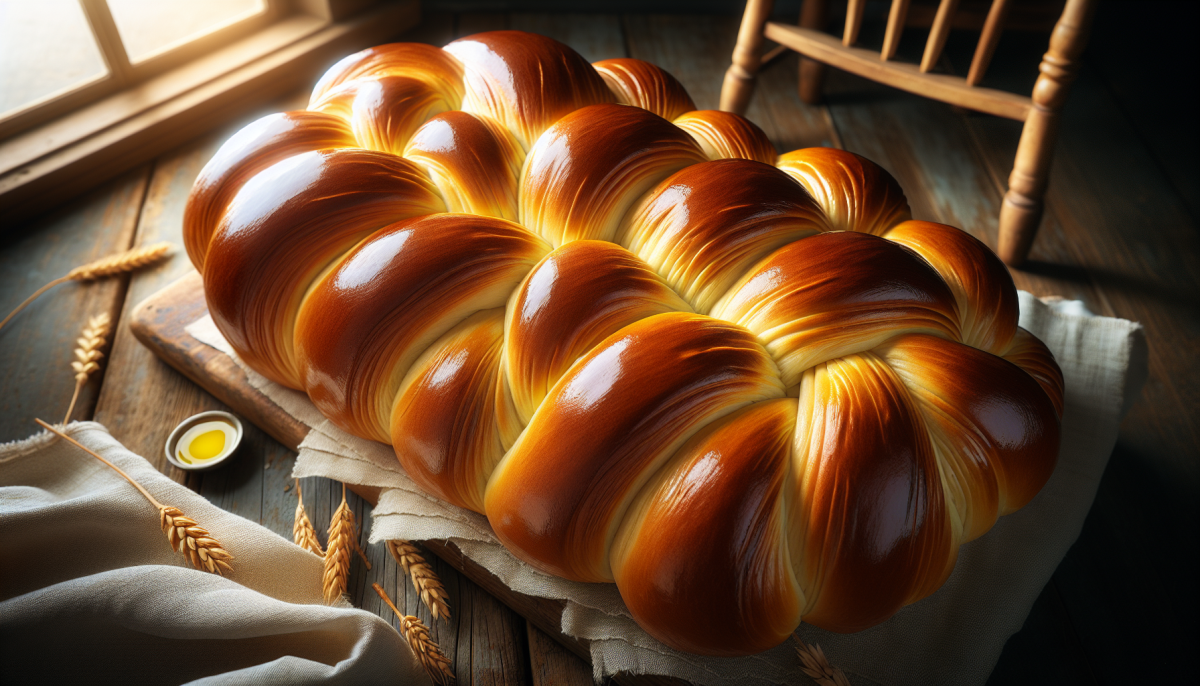
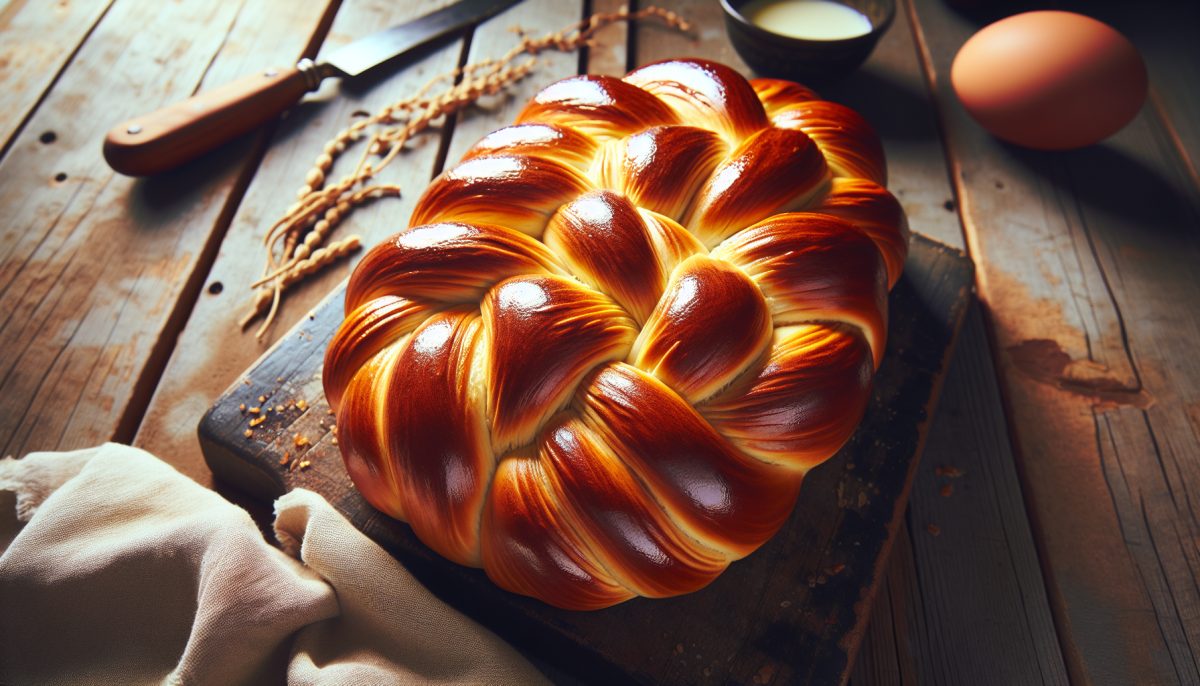
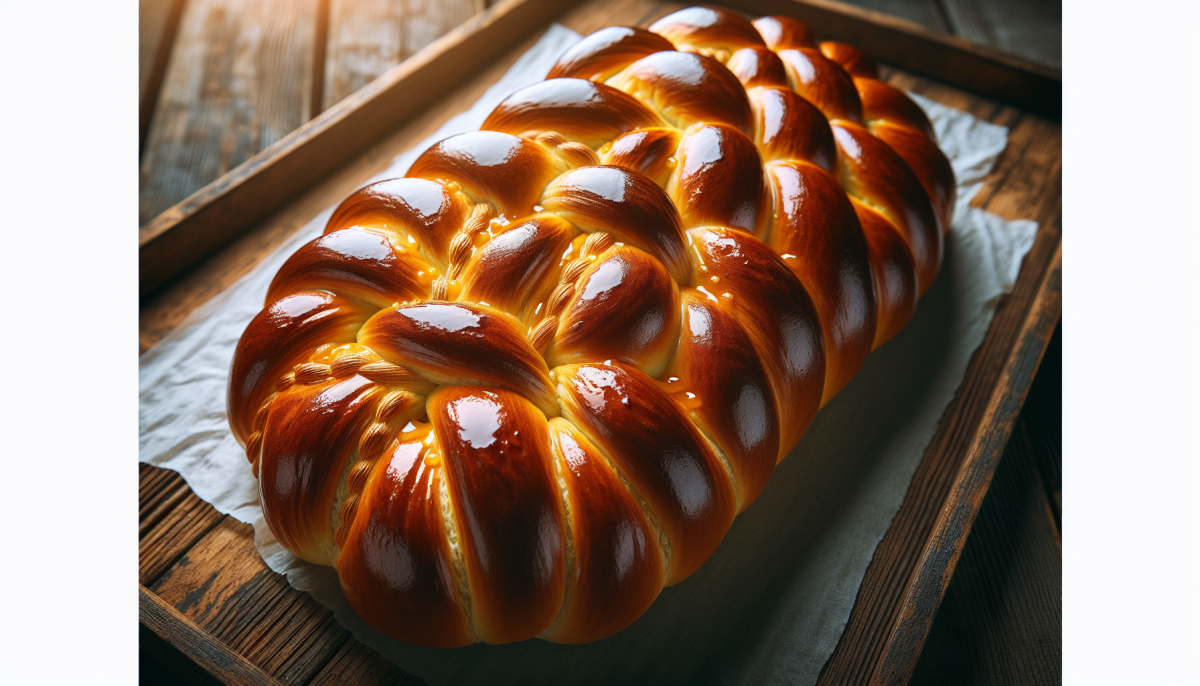
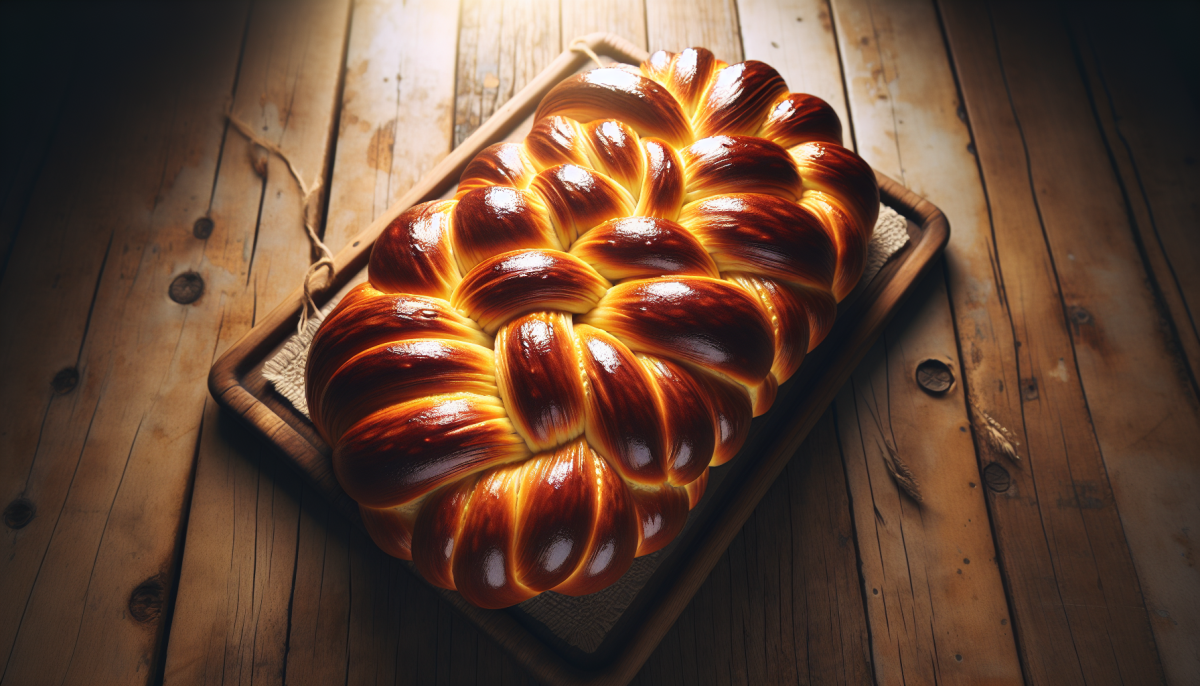
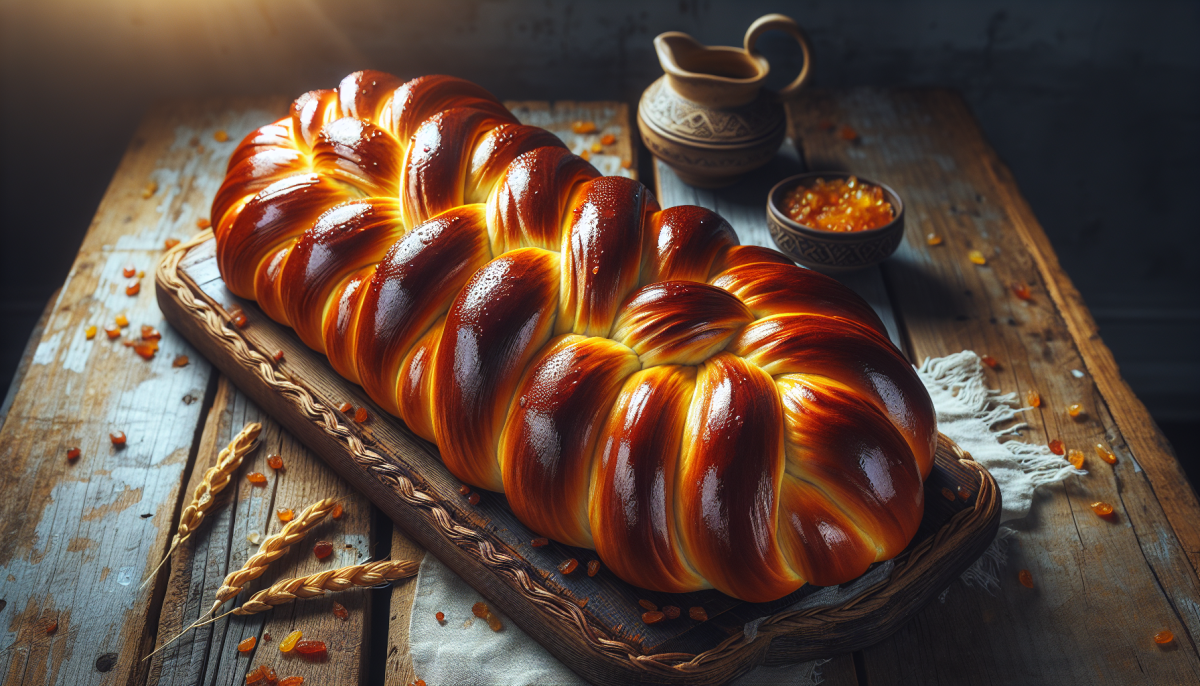
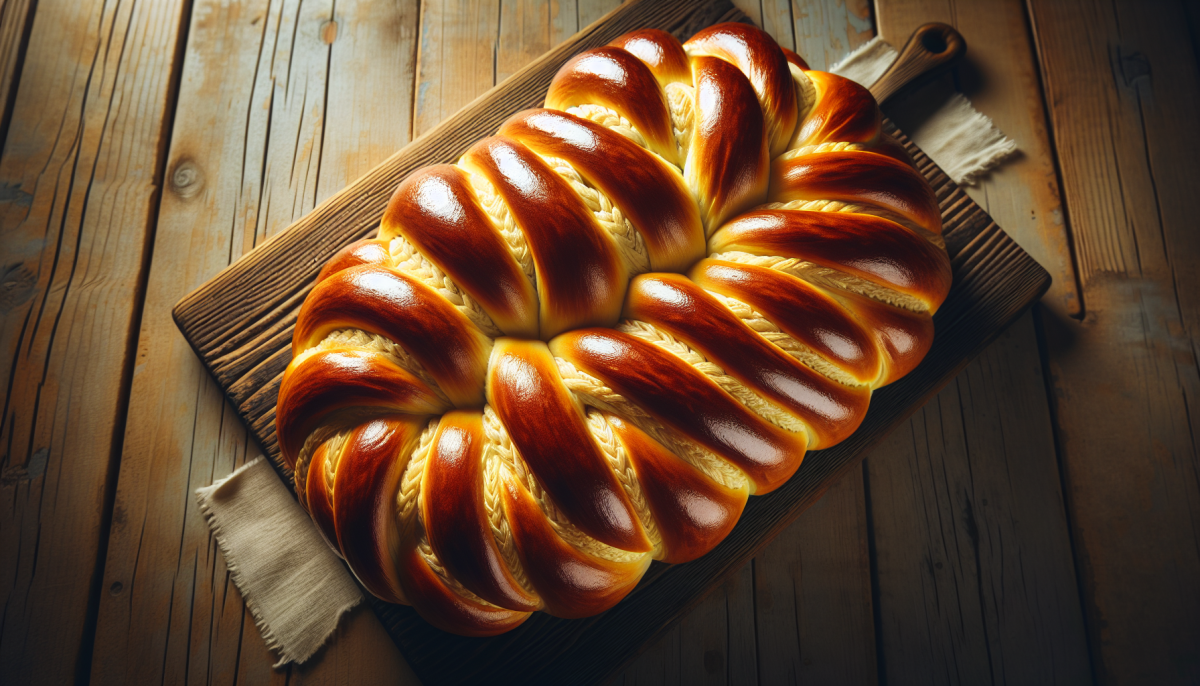
Fennel and orange challah brings the sun-warmed flavors of the Mediterranean to the Shabbat table. Toasted fennel seeds add a gentle anise note, while fresh orange zest infuses the dough with bright citrus fragrance. Together, they create a challah that smells like a Mediterranean garden and tastes like nothing you have braided before.

This flavor combination is inspired by Sephardic baking, where fennel and citrus appear together in breads, pastries, and cookies across the Mediterranean basin. Italian-Jewish bakers in particular loved the pairing of finocchio (fennel) and arancia (orange) in their enriched breads.

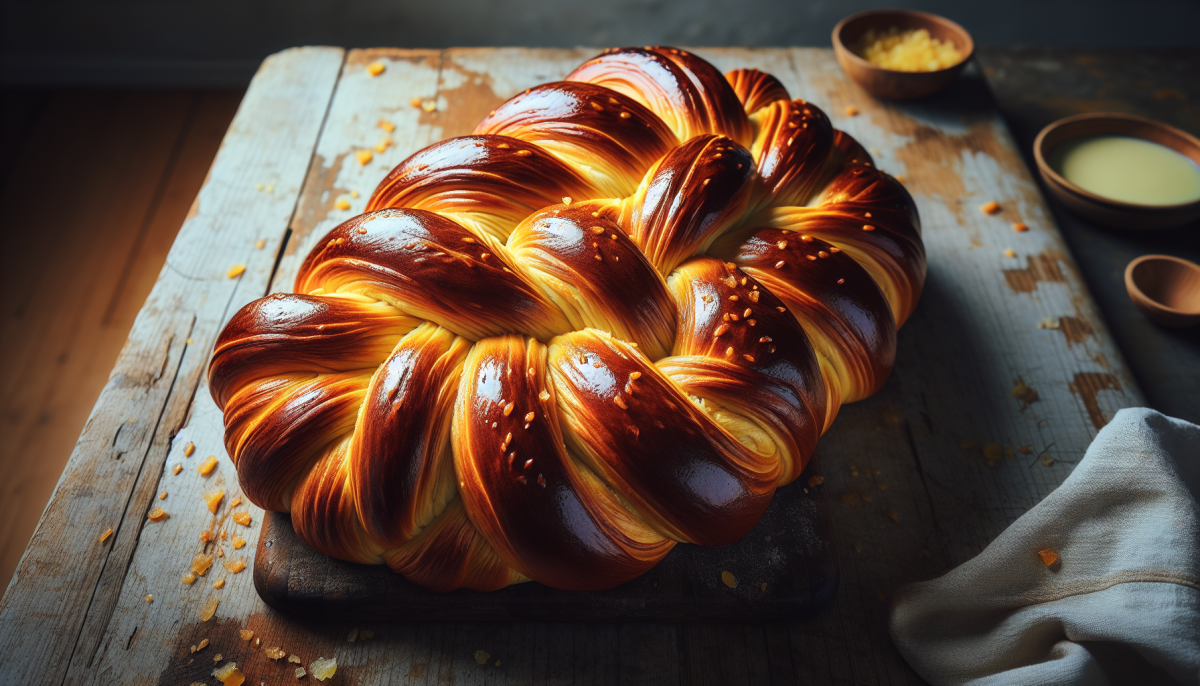
The fennel seeds are lightly toasted to release their oils, then folded throughout the dough and scattered on top. The orange zest is mixed directly into the wet ingredients, where it perfumes the entire loaf from within. When this challah bakes, the kitchen fills with an aroma that is absolutely intoxicating.

Categories
Recipes

Challah Doughnuts

Pareve
Dairy-Free • Contains Eggs • Contains Gluten
Yield16 doughnuts
DifficultyIntermediate
Active Time40 minutes
Total Time3½ hours
BrachaMezonot

Challah doughnuts are what happens when the richest bread dough meets the deep fryer. These are not your standard sufganiyot — they use a full-bodied challah dough, extra-eggy and enriched with honey, producing a doughnut that is impossibly tender, slightly sweet, and stays soft for days.

The idea is brilliantly simple: challah dough is already one of the most indulgent bread doughs in Jewish baking. By portioning it into rounds and frying instead of baking, you get doughnuts with a delicate, bread-like interior, a thin crispy shell, and all the honeyed depth of your Friday night bread.

Fill them with jam for a classic approach, with pastry cream for elegance, or simply roll them in cinnamon sugar and eat them plain. They are magnificent any way you serve them, and they make Hanukkah (or any Tuesday) feel like a celebration.

Categories
Recipes

Challah Croutons

Pareve
Dairy-Free • Contains Eggs • Contains Gluten
Yield8 cups
DifficultyBeginner
Active Time15 minutes
Total Time45 minutes
BrachaMezonot

Challah croutons are the smartest thing you can do with day-old challah. Those golden cubes of leftover Shabbat bread, tossed in olive oil and herbs, baked until crackling crisp on the outside and still slightly tender within — they transform every salad, soup, and snack plate they touch.

In a kitchen that observes bal tashchit (the prohibition against waste), stale challah is not a problem but an opportunity. The same enriched dough that made your Friday bread magnificent makes croutons that are leagues ahead of anything from a box. The honey and egg in the challah caramelize in the oven, creating a depth of flavor that plain bread croutons cannot match.

This is a 15-minute active recipe that turns what might have been wasted into something people fight over at the salad bowl.

Categories
Recipes

Chocolate Challah

Pareve
Dairy-Free • Contains Eggs • Contains Gluten
Yield2 loaves
DifficultyIntermediate
Active Time40 minutes
Total Time4½ hours
BrachaHaMotzi

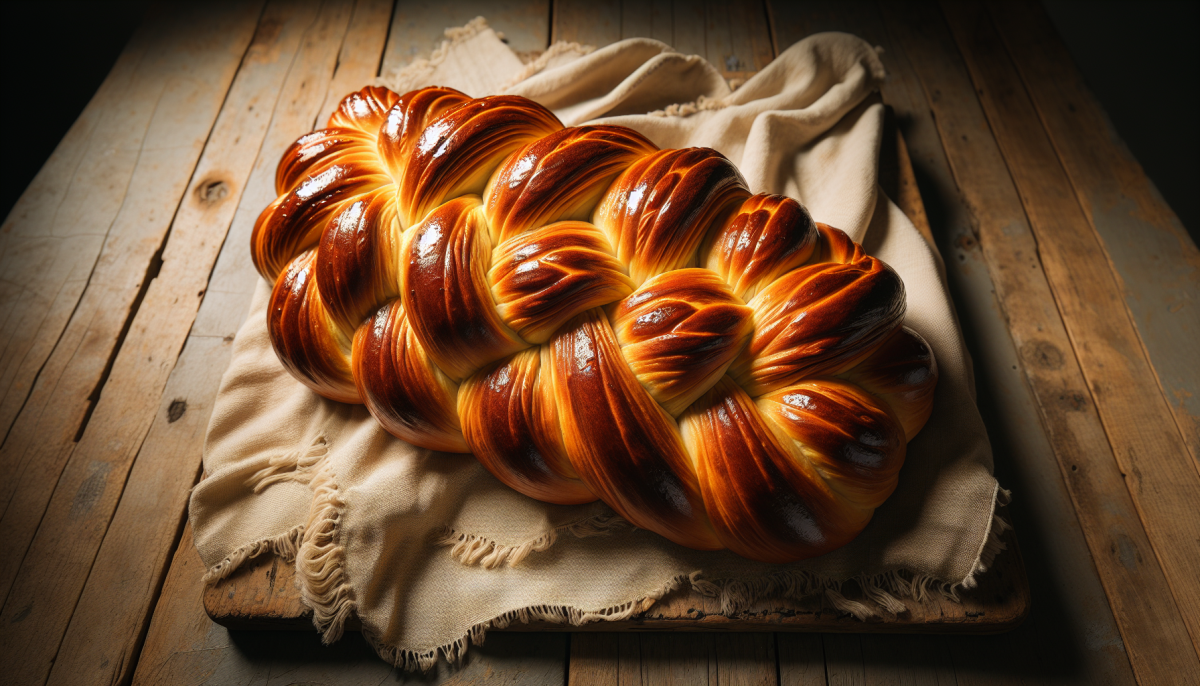
Chocolate challah turns Friday night into a celebration for chocolate lovers. Picture a deeply braided loaf, dark as mahogany, with cocoa running through every strand and pockets of melted chocolate chips in every bite. This is challah for people who believe that Shabbat dessert should start with the bread.

The cocoa-enriched dough is softer and more tender than classic challah, with a faintly bittersweet flavor that balances beautifully against the honey and eggs. When it bakes, your kitchen fills with an aroma that is equal parts bakery and chocolate shop. Children will appear from nowhere. Adults will hover by the oven.

Despite its indulgent appearance, chocolate challah follows all the same halachic requirements as traditional challah. It is pareve, it requires hafrashat challah, and it makes a stunning lechem mishneh for Shabbat. It just happens to also make the world’s best French toast the next morning.

Categories
Recipes

Challah Breadsticks

Pareve
Dairy-Free • Contains Eggs • Contains Gluten
Yield24 breadsticks
DifficultyBeginner
Active Time25 minutes
Total Time2½ hours
BrachaHaMotzi

Challah breadsticks transform the Shabbat bread you love into crispy, golden sticks perfect for dipping. Using the same enriched challah dough, rolled thin and baked until crackling crisp on the outside yet tender within, these breadsticks are the appetizer that every Shabbat dinner is missing.

Think of them as challah reimagined — all the honeyed, eggy richness of traditional challah compressed into elegant sticks rolled in sesame seeds, za’atar, or everything bagel seasoning. They are the bridge between bread basket and first course, equally at home with hummus, matbucha, or a bowl of chicken soup.

The best part? They come together faster than braided challah. No braiding, no shaping anxiety, no worrying about symmetry. Just roll, twist, and bake.

Categories
Recipes

Berches (German-Jewish Shabbat Bread)

Pareve
Dairy-Free • Contains Eggs • Contains Gluten
Yield2 loaves
DifficultyIntermediate
Active Time35 minutes
Total Time4 hours
BrachaHaMotzi

Berches is the German-Jewish Shabbat bread that predates the challah we know today. Before Eastern European Jews popularized the egg-rich, honey-sweet challah, German Jews were baking berches — a simpler, more bread-like loaf with a golden crust and a slightly chewy crumb enriched with potato water.

The name berches likely derives from the blessing (birkat) recited over bread, connecting this loaf directly to its sacred purpose. In German-Jewish communities from Frankfurt to Hamburg, berches was braided with three or four strands and served with quiet reverence at the Shabbat table.

What distinguishes berches from standard challah is the use of potato water — the starchy liquid left from boiling potatoes. This old baker’s trick adds moisture, extends shelf life, and creates a tender crumb with a subtle earthiness. It is a humbler bread than its Eastern European cousin, but no less worthy of the Shabbat table.

Categories
Recipes

Kugelhopf (Alsatian Jewish Bundt Bread)

Dairy
Contains Dairy • Contains Eggs • Contains Gluten • Contains Almonds
Yield1 large bundt
DifficultyAdvanced
Active Time35 minutes
Total Time5 hours
BrachaHaMotzi

Kugelhopf is the magnificent crown-shaped bread that Alsatian Jews brought to the world. This towering, golden cake-bread — studded with rum-soaked raisins and almonds — was the pride of Jewish bakeries from Strasbourg to Colmar. Its distinctive swirled bundt shape, dusted with powdered sugar like Alpine snow, graced every celebration table and Sunday breakfast.

The Alsatian Jewish community, straddling French and German cultures, created a baking tradition that drew from both worlds. Kugelhopf reflects that dual heritage — French elegance in its form, German richness in its buttery, brioche-like crumb. Legend attributes the recipe to the Three Wise Men, but Alsatian Jews perfected it.

This is a bread that demands patience. The enriched dough requires long kneading, careful fermentation, and an overnight cold rest that develops flavor and makes the delicate crumb possible. The reward is a bread so tender, so perfumed with butter and vanilla, that it feels like a celebration in every slice.

Categories
Recipes

Olive Oil Challah

Pareve
Dairy-Free • Contains Eggs • Contains Gluten
Yield2 loaves
DifficultyBeginner
Active Time30 minutes
Total Time3½ hours
BrachaHaMotzi

Olive oil challah is the bread that Italian Jews have been baking for centuries. While Ashkenazi challah relies on neutral oil or schmaltz, the Jewish communities of Rome, Livorno, and Venice have always reached for the olive press. The result is a challah with a golden, almost amber hue, a delicate fruity fragrance, and a crumb so tender it practically dissolves on the tongue.

This is a simpler, more rustic challah than its heavily enriched cousins. With fewer eggs and the olive oil taking center stage, the flavor is cleaner, more Mediterranean — bread that tastes of sun-warmed hillsides and ancient groves. It is the challah you want with a bowl of good soup, torn into pieces and shared around a table.

The Italian-Jewish tradition of olive oil challah reminds us that Jewish bread is as diverse as the Jewish people. From the olive groves of Puglia to the Shabbat tables of the Roman Ghetto, this bread has its own beautiful story to tell.

Use the best extra-virgin olive oil you can find. The bread’s flavor depends on it.

Categories
Recipes

Za’atar Challah

Pareve
Dairy-Free • Contains Eggs • Contains Gluten
Yield2 loaves
DifficultyIntermediate
Active Time40 minutes
Total Time4 hours
BrachaHaMotzi

Za’atar challah is where Ashkenazi tradition meets the bold flavors of the Levant. Imagine your classic golden challah, but with a verdant crust of wild thyme, sumac, and sesame — the ancient herb blend that has seasoned bread in the Land of Israel for millennia. Every bite delivers the familiar honeyed softness of challah followed by the earthy, tangy punch of za’atar.

This is not fusion for fusion’s sake. Za’atar and bread have been inseparable since the Torah’s seven species were first harvested from Judean hillsides. By braiding za’atar into challah, you are reconnecting two of the oldest threads in Jewish culinary history.

The technique is straightforward: a classic enriched challah dough, divided, filled with za’atar paste between the strands, and braided so the herbs peek through the golden crust. The result is a showstopping loaf that perfumes the kitchen with wild thyme and toasted sesame.

This challah pairs beautifully with hummus, labneh, or simply torn and dipped in good olive oil. It bridges Shabbat dinner and Shabbat morning effortlessly.

Categories
Recipes

Yemenite Fatoot

Pareve

Yield
4 servings
Difficulty
Beginner
Active Time
20 minutes
Total Time
30–40 minutes
Bracha
Mezonot

Fatoot is the Yemenite Jewish answer to the question every baker faces: what do you do with leftover bread? The answer, in this case, is tear it into rough pieces, fry them in hot oil until shatteringly crispy, and serve them drizzled with honey for sweetness or spiked with zhug for heat. It is frugal cooking elevated to an art form.

In Yemenite Jewish households, fatoot was made from leftover lahoh, malawach, or any flatbread past its prime. The frying transforms stale bread into something crackling and irresistible. Children would gather in the kitchen waiting for pieces straight from the pan, too hot to hold but too good to wait.

This recipe uses a simple quick dough, but you can also make fatoot with leftover challah, pita, or any bread you have on hand. It is breakfast, snack, and comfort food all in one — proof that the simplest dishes, born from necessity, often become the most beloved.