Categories
Recipes

Teiglach (Honey Dough Balls)

Pareve
Dairy-Free • Contains Eggs • Contains Gluten
Yield~60 pieces
DifficultyIntermediate
Active Time30 minutes
Total Time2 hours
BrachaMezonot

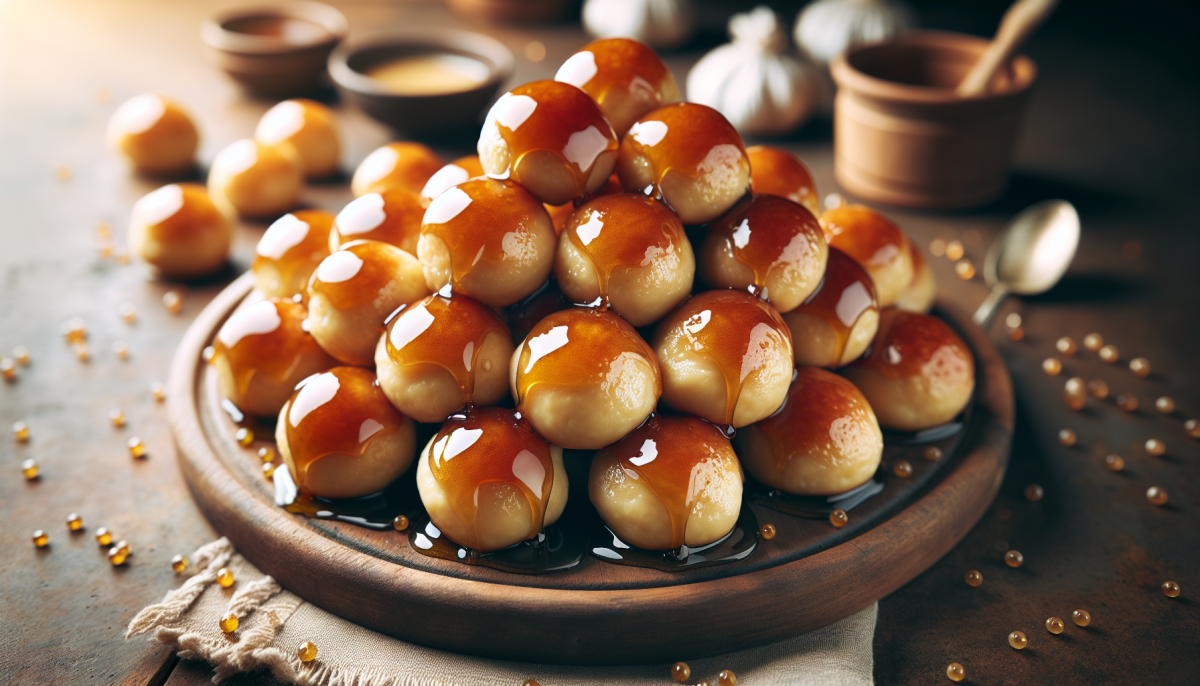
Teiglach are the honey-cooked dough balls that crown the Rosh Hashanah table. Small nuggets of simple egg dough, simmered in a bubbling honey syrup until they turn golden and caramelized, then tumbled with nuts and sometimes ginger. They are sticky, sweet, crunchy, and utterly addictive — the original Jewish candy.

The name comes from the Yiddish word for “little pieces of dough,” and teiglach have been part of Ashkenazi Rosh Hashanah celebrations for centuries. The honey syrup connects them to the universal Jewish wish for a sweet new year, while their golden color evokes prosperity and blessing.

Making teiglach is a communal activity. The dough is simple enough for children to roll, and the honey cooking process fills the kitchen with an intoxicating aroma. They are traditionally piled into a towering mound, glistening with honey, nuts scattered throughout like jewels.

Categories
Recipes

Challah Doughnuts

Pareve
Dairy-Free • Contains Eggs • Contains Gluten
Yield16 doughnuts
DifficultyIntermediate
Active Time40 minutes
Total Time3½ hours
BrachaMezonot

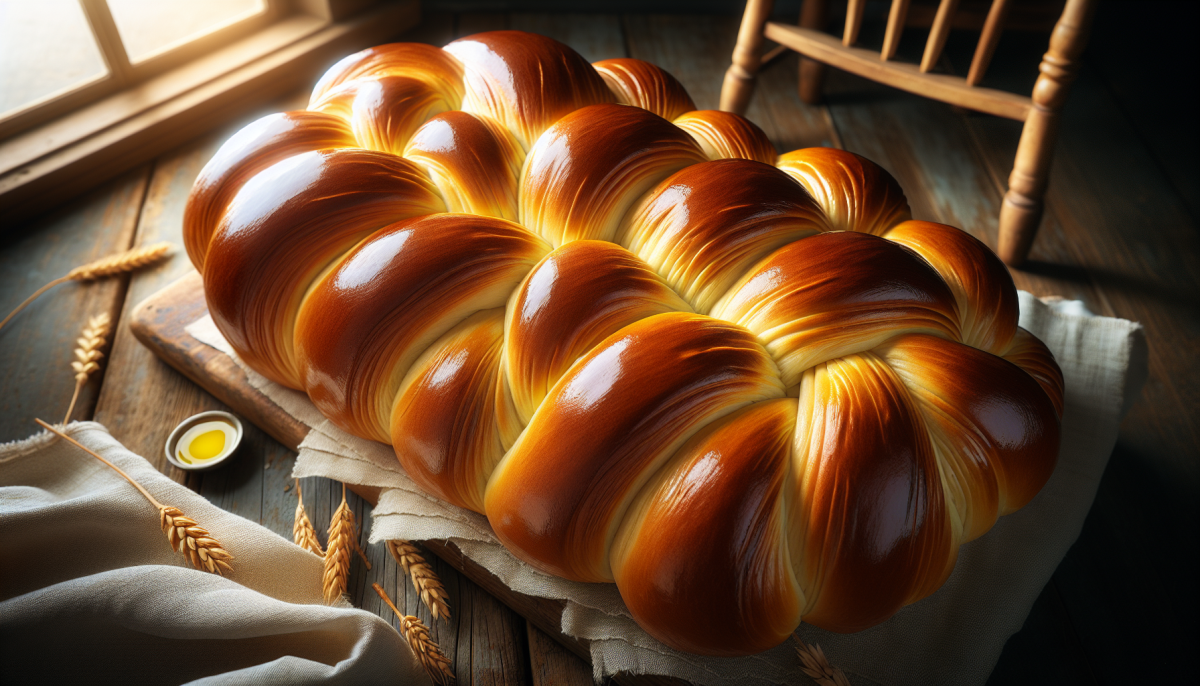
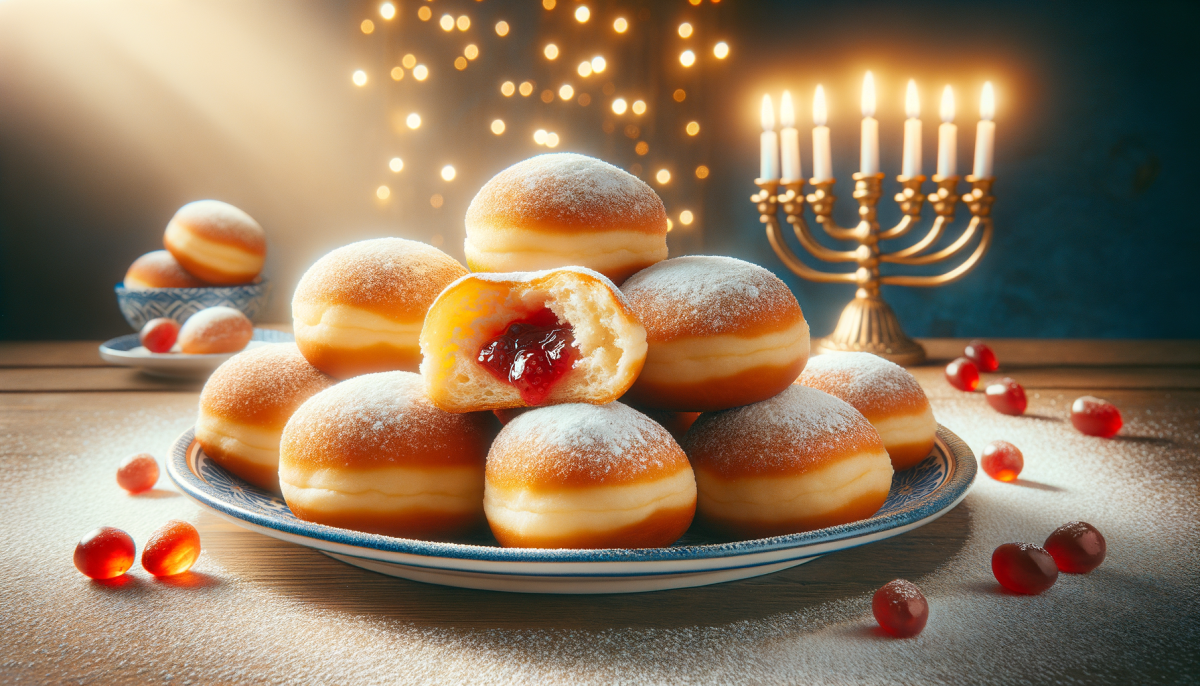
Challah doughnuts are what happens when the richest bread dough meets the deep fryer. These are not your standard sufganiyot — they use a full-bodied challah dough, extra-eggy and enriched with honey, producing a doughnut that is impossibly tender, slightly sweet, and stays soft for days.

The idea is brilliantly simple: challah dough is already one of the most indulgent bread doughs in Jewish baking. By portioning it into rounds and frying instead of baking, you get doughnuts with a delicate, bread-like interior, a thin crispy shell, and all the honeyed depth of your Friday night bread.

Fill them with jam for a classic approach, with pastry cream for elegance, or simply roll them in cinnamon sugar and eat them plain. They are magnificent any way you serve them, and they make Hanukkah (or any Tuesday) feel like a celebration.

Categories
Recipes

Jewish Apple Cake

Pareve

Yield
1 tube pan (12–16 servings)
Difficulty
Beginner
Active Time
30 minutes
Total Time
1¾–2 hours
Bracha
Mezonot

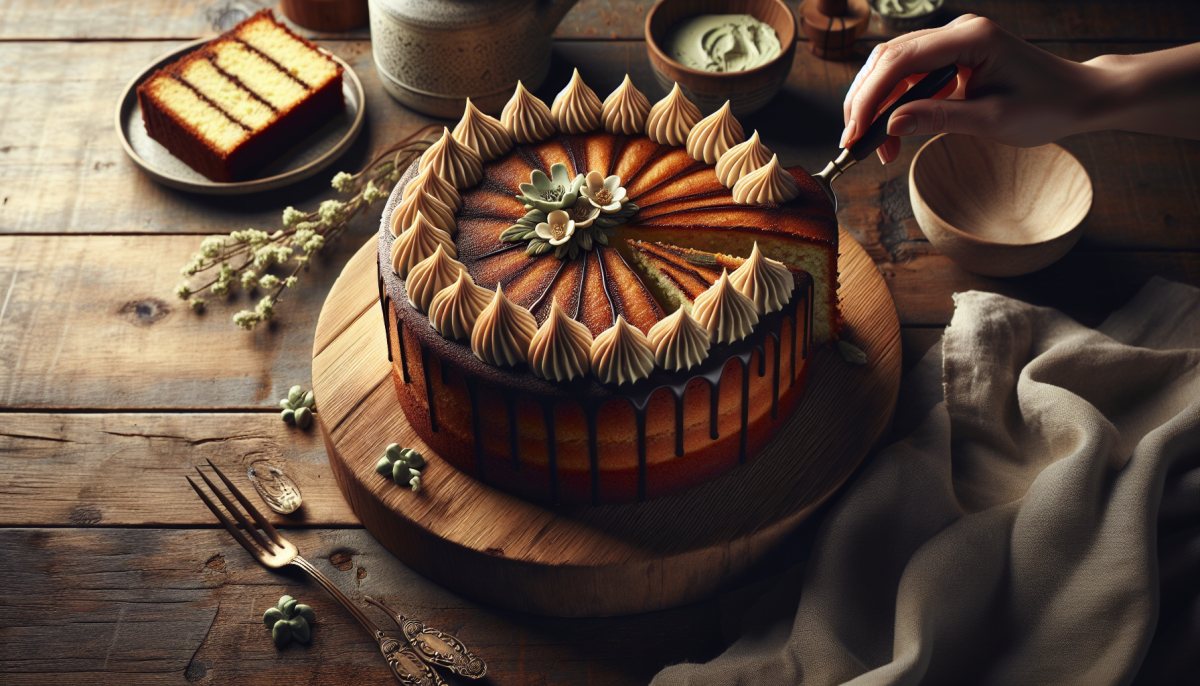
Jewish apple cake is the great equalizer of kosher baking — every family has a recipe, every recipe is “the best,” and every version disappears before you can photograph it. This is the cake that appears at Rosh Hashanah dinner, at Sukkot lunches, at shiva houses, at potlucks, at every occasion where a pareve dessert is needed and there is no room for failure.

The genius of Jewish apple cake is its simplicity and its ratio: massive amounts of cinnamon-coated apple slices layered with a tender oil-based batter in a tube or bundt pan. The apples release their juices as they bake, creating pockets of apple butter within the cake. The exterior develops a caramelized crust while the inside stays impossibly moist, even days later.

This is not a delicate cake. It is sturdy, generous, and unapologetically sweet-spiced. It travels well, slices cleanly, and tastes even better the next day. It is also one of the few cakes that is genuinely better pareve — the oil-based batter creates a moister crumb than butter ever could.

Categories
Recipes

Challah Monkey Bread

Pareve

Yield
1 bundt pan (10–12 servings)
Difficulty
Beginner–Intermediate
Active Time
40 minutes
Total Time
3½–4 hours
Bracha
Mezonot

Monkey bread is pure joy — a tumble of small dough pieces coated in cinnamon sugar, baked together until they fuse into a sticky, pull-apart mountain of sweetness. Now imagine that dough is challah: richer, eggier, softer than any standard monkey bread recipe. Every piece pulls away trailing threads of golden, buttery dough and cinnamon-scented caramel.

This is the recipe that disappears before it fully cools. Bake it for a Shabbat morning treat, a Chanukah breakfast celebration, or whenever you want a showstopper that takes minimal skill. Children love helping — tearing dough into pieces, rolling them in cinnamon sugar, and piling them into the pan is the kind of baking project that creates memories.

The bundt pan is traditional but a round cake pan works too. The key is packing the pieces snugly so they bake into each other, creating that irresistible pull-apart texture. A simple caramel sauce poured over the top before baking turns the bottom (which becomes the top when inverted) into a glossy, sticky crown.

Categories
Recipes

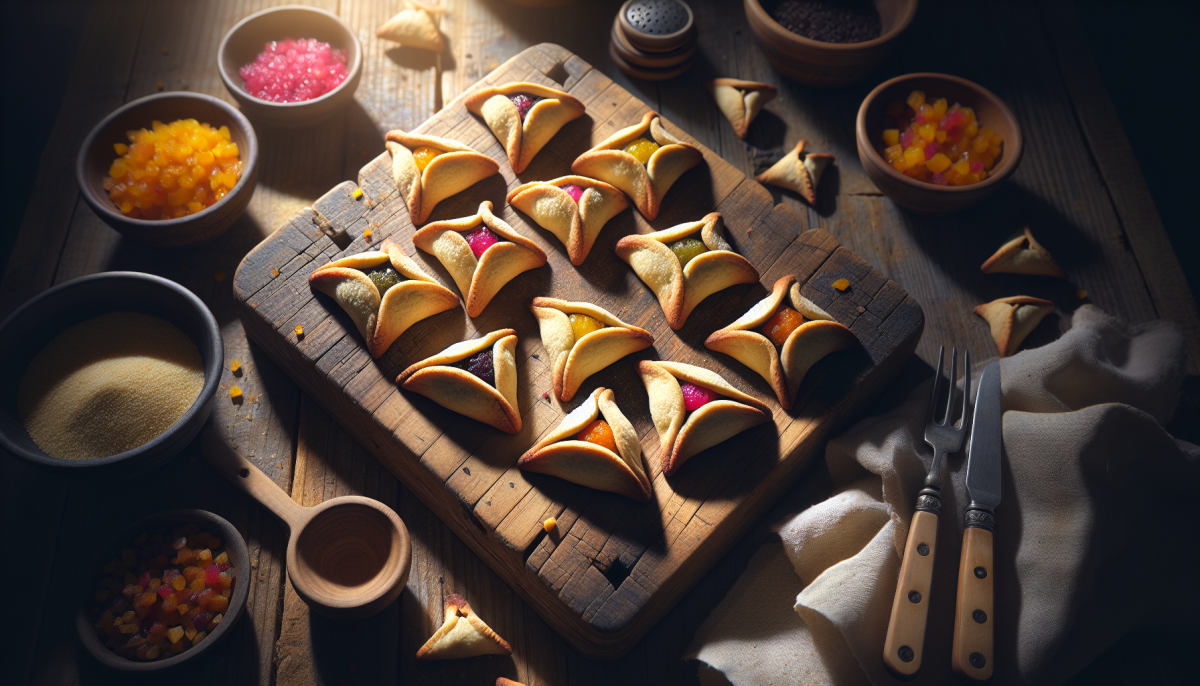
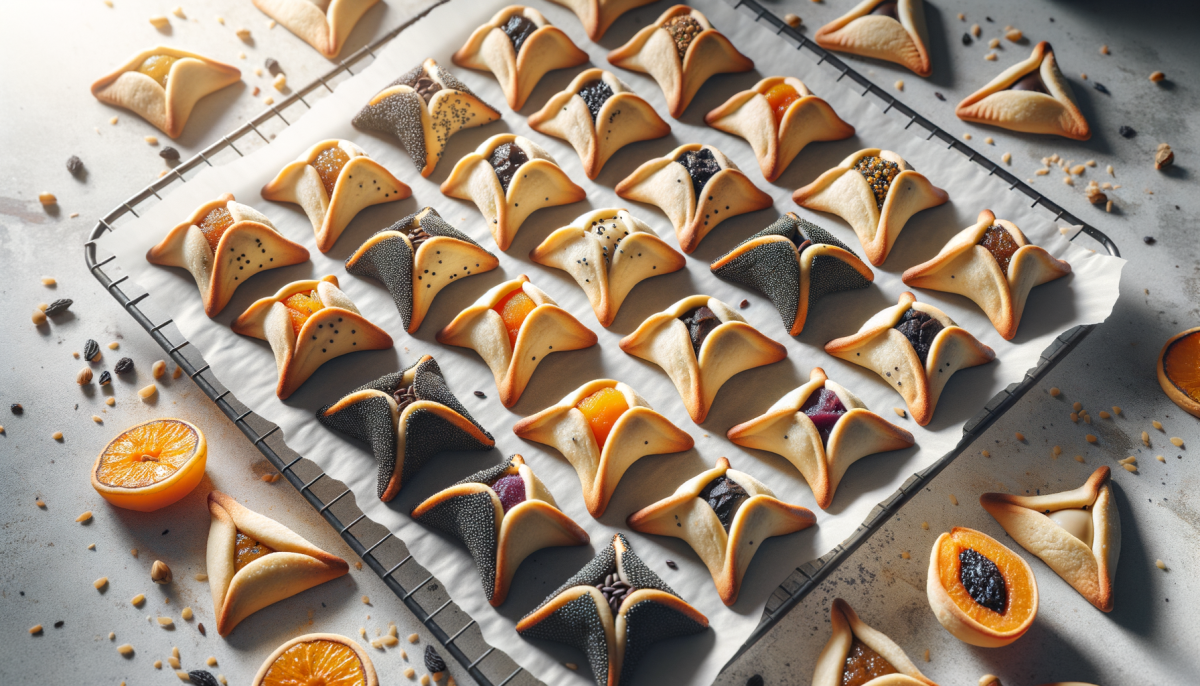
Savory Hamantaschen

✔ Pareve
Yield: 24 hamantaschen  |  Difficulty: Intermediate  |  Active Time: 1 hour  |  Total Time: 2½ hours  |  Bracha: Mezonot

This beloved recipe from the Jewish tradition brings authentic flavors to your home kitchen. Following the Kosher Bread Pro template with precise measurements, baker’s percentages, and detailed halachic guidance, this recipe ensures a perfect result every time.

Whether you’re an experienced baker or trying this for the first time, the step-by-step instructions and troubleshooting tips will guide you to success. Every ingredient is carefully chosen and every technique explained for reliable, delicious results.

Categories
Recipes

Apple Challah

✔ Pareve
Yield: 1 round loaf  |  Difficulty: Intermediate  |  Active Time: 45 min  |  Total Time: 4½ hours  |  Bracha: Hamotzi

This beloved recipe from the Jewish tradition brings authentic flavors to your home kitchen. Following the Kosher Bread Pro template with precise measurements, baker’s percentages, and detailed halachic guidance, this recipe ensures a perfect result every time.

Whether you’re an experienced baker or trying this for the first time, the step-by-step instructions and troubleshooting tips will guide you to success. Every ingredient is carefully chosen and every technique explained for reliable, delicious results.

Categories
Recipes

Honey Cake Recipe (Lekach): Traditional Rosh Hashanah Cake

✔ Pareve
Yield: 1 loaf (12 slices)  |  Difficulty: Easy  |  Active Time: 20 minutes  |  Total Time: 1½ hours  |  Bracha: Mezonot

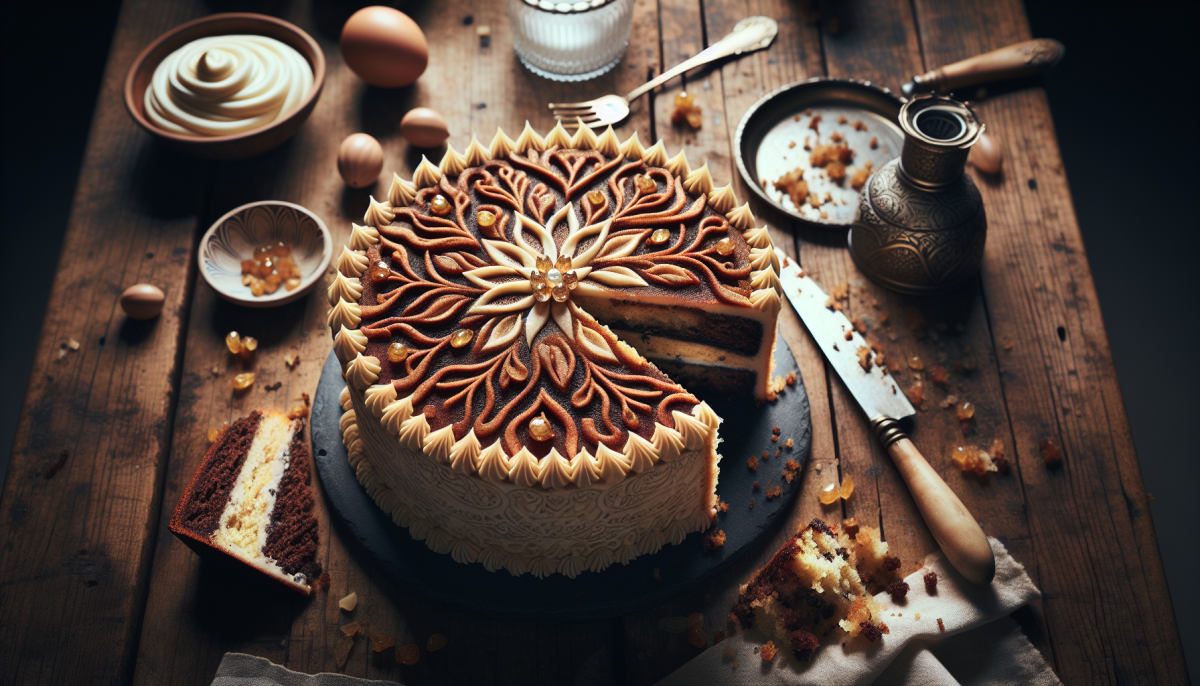
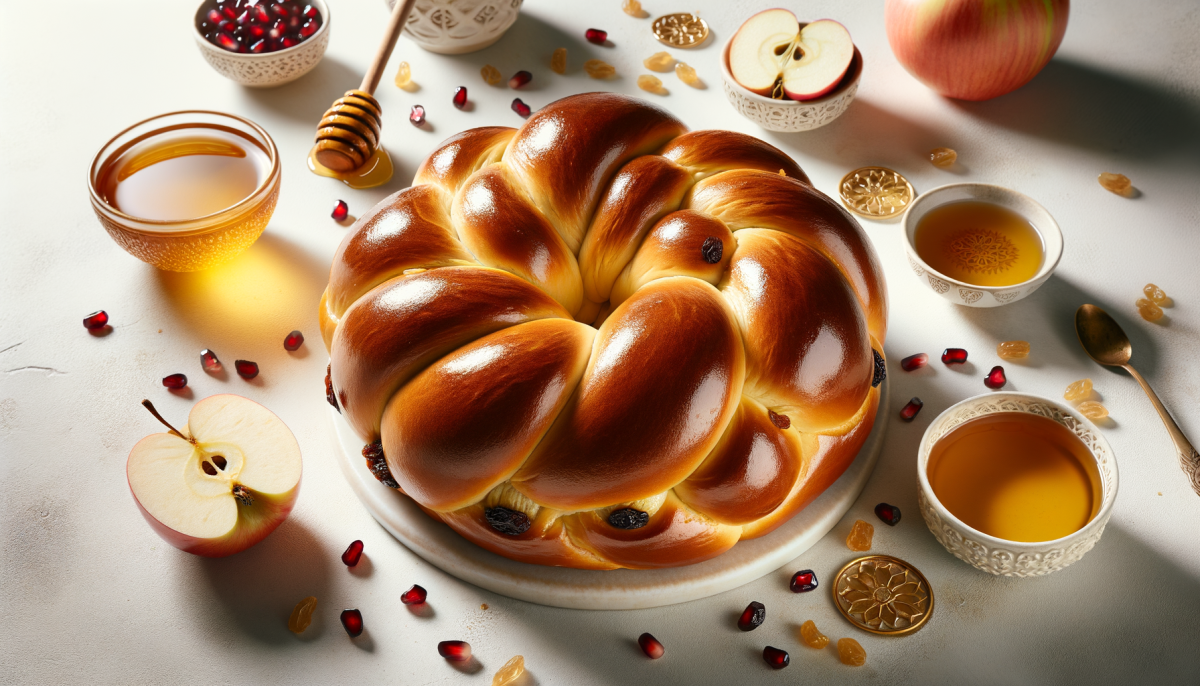
Honey cake—lekach in Yiddish—is the taste of the Jewish New Year. Every Rosh Hashanah table across the Ashkenazi world features this dark, deeply spiced, honey-soaked cake, its sweetness a prayer made edible: may the coming year be as sweet as this slice. The tradition of eating honey cake at Rosh Hashanah stretches back centuries, and the best versions are not merely sweet but complex—warm with cinnamon and allspice, bitter-edged with strong coffee, and fragrant with the floral depth of good honey.

The great secret of exceptional lekach is that it improves with time. Baked a day or two before Rosh Hashanah, the cake becomes more moist and the flavors deepen as the honey continues to hydrate the crumb. Many Jewish grandmothers insisted on baking their honey cake at least three days ahead, wrapping it tightly and letting it mature. This patience is rewarded with a cake that is almost impossibly moist, with a texture closer to a sticky toffee pudding than a typical American cake.

This recipe produces the definitive lekach: tall, dark, and handsome in its loaf pan, with a crumb that is moist enough to eat with your fingers yet sturdy enough to slice cleanly. The combination of coffee and honey creates a flavor that is sophisticated and deeply satisfying—sweet without being cloying, spiced without being heavy. It’s the cake that says Shanah Tovah in every bite.

Categories
Recipes

Matzo Recipe: Homemade Kosher Unleavened Bread

✔ Pareve
Yield: 8 matzot  |  Difficulty: Intermediate  |  Active Time: 30 minutes  |  Total Time: 45 minutes  |  Bracha: Hamotzi (during Pesach, the mitzvah bracha is also said)

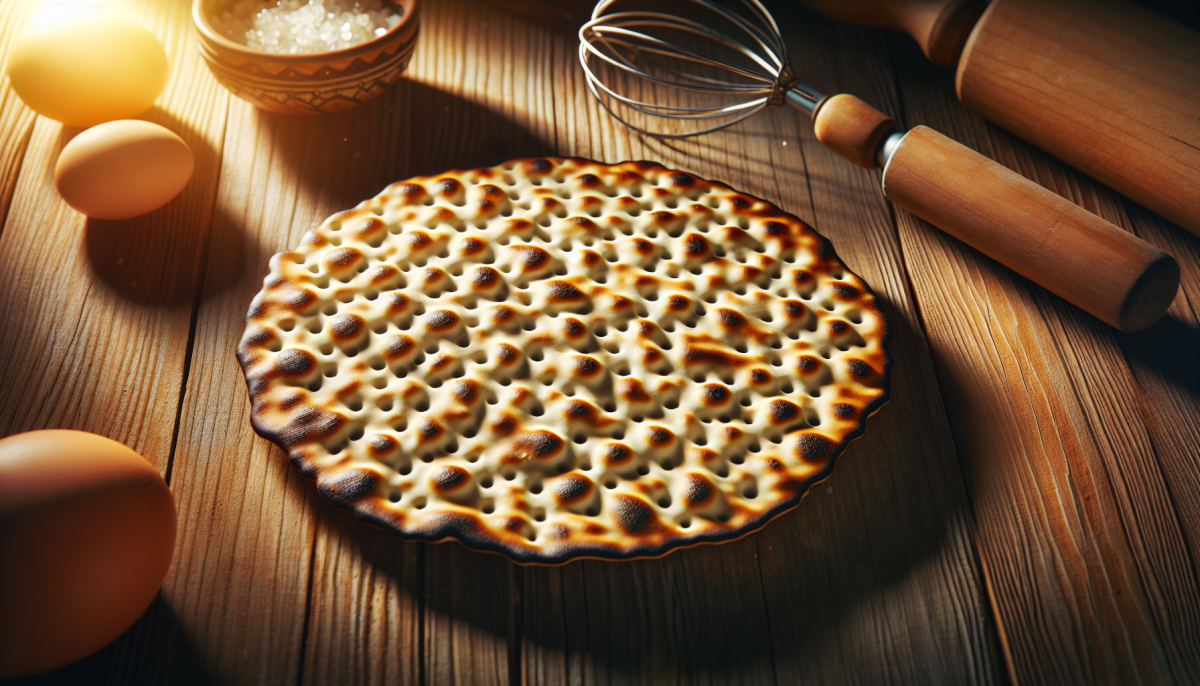
Matzo is the most ancient and symbolically rich bread in Jewish tradition—a flat, unleavened cracker that has connected the Jewish people to the story of the Exodus for over three thousand years. Every Pesach, we eat matzo to remember that when our ancestors fled Egypt, they left in such haste that their bread had no time to rise. That urgency is built into the very process of making matzo: from the moment water touches flour, you have exactly 18 minutes to mix, roll, perforate, and bake before the dough is considered chametz (leavened).

Making matzo at home is a profound experience. The speed and intentionality required—working with focus, moving quickly from mixing bowl to oven—transforms a simple act of baking into something almost meditative. The result is remarkably different from the machine-made matzot most of us grew up with: handmade matzo (shmura matzo) has irregular edges, charred bubbles, and a flavor that is wheaty, slightly smoky, and deeply satisfying.

While shmura matzo for the Seder is typically purchased from certified bakeries where every step is supervised, making matzo at home is a wonderful educational and spiritual activity for the weeks before Pesach. It connects you physically to the mitzvah and teaches the 18-minute principle in a way no textbook can. Whether you use your homemade matzo for the Seder or as a pre-Pesach family activity, the process itself is the reward.

Categories
Recipes

Flodni Recipe: Hungarian Jewish Layered Pastry

✔ Pareve
Yield: 24 pieces  |  Difficulty: Intermediate–Advanced  |  Active Time: 1½ hours  |  Total Time: 5 hours  |  Bracha: Mezonot

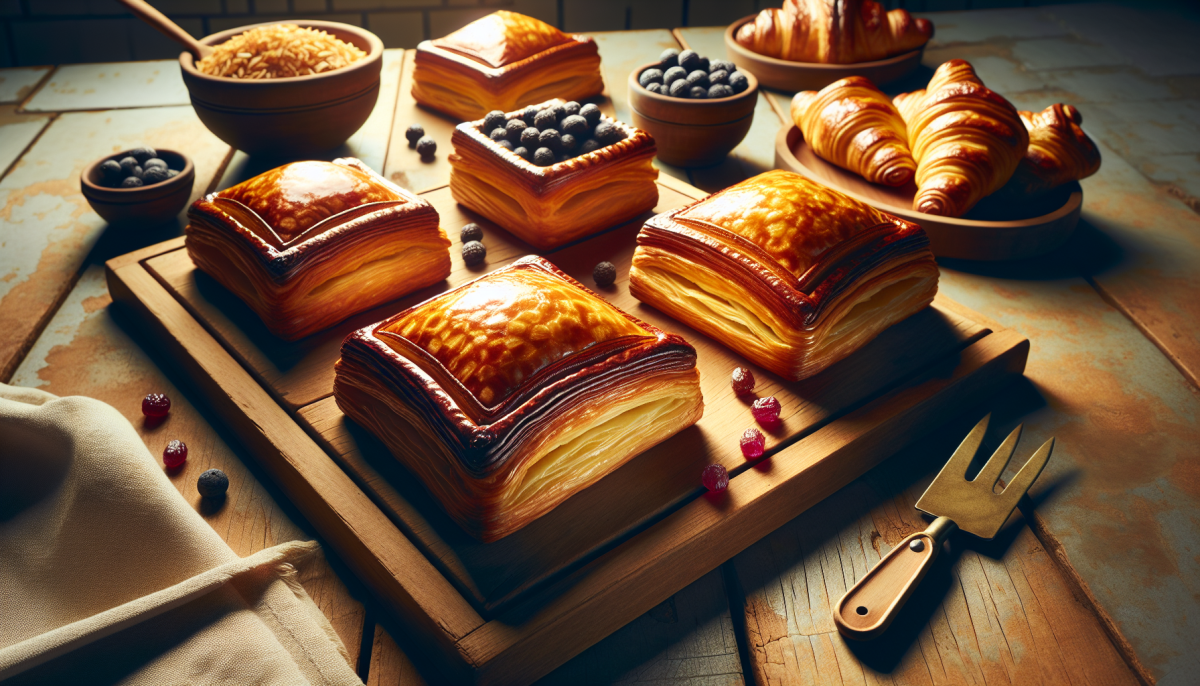
Flodni is the crown jewel of Hungarian Jewish pastry—a magnificent layered creation that tells the story of Budapest’s once-thriving Jewish bakery culture in every bite. This architectural marvel stacks four distinct fillings between five layers of tender, flaky pastry: ground poppy seed, crushed walnut, spiced apple, and rich plum jam, each layer a distinct flavor and texture that harmonizes into something far greater than the sum of its parts.

The origins of flodni trace back to the Jewish quarter of Budapest, where bakeries along Kazinczy Street produced these elaborate pastries for Shabbat, holidays, and celebrations. Each filling carries symbolic weight—the apple for Rosh Hashanah sweetness, the poppy seed for Purim, the walnut for abundance, and the plum jam (lekvar) for the preserved flavors of harvest. Together, they represent the full cycle of the Jewish year in a single confection.

Making flodni is an act of devotion. The process requires patience and care—preparing four separate fillings, rolling out five layers of dough, and assembling everything with precision. But the reward is extraordinary: a pastry that slices into perfect layers of contrasting colors and textures, each bite offering the earthy warmth of poppy seeds, the buttery crunch of walnuts, the bright acidity of apples, and the deep sweetness of plum. It’s the kind of baking that connects you to generations of Hungarian Jewish bakers who understood that the most beautiful things take time.

Categories
Recipes

Shlissel Challah Recipe — Key Challah After Pesach

Pareve
Dairy-Free • Egg • Contains Gluten
Yield
2 challahs
Difficulty
Intermediate
Active Time
45 minutes
Total Time
3–4 hours
Bracha
HaMotzi

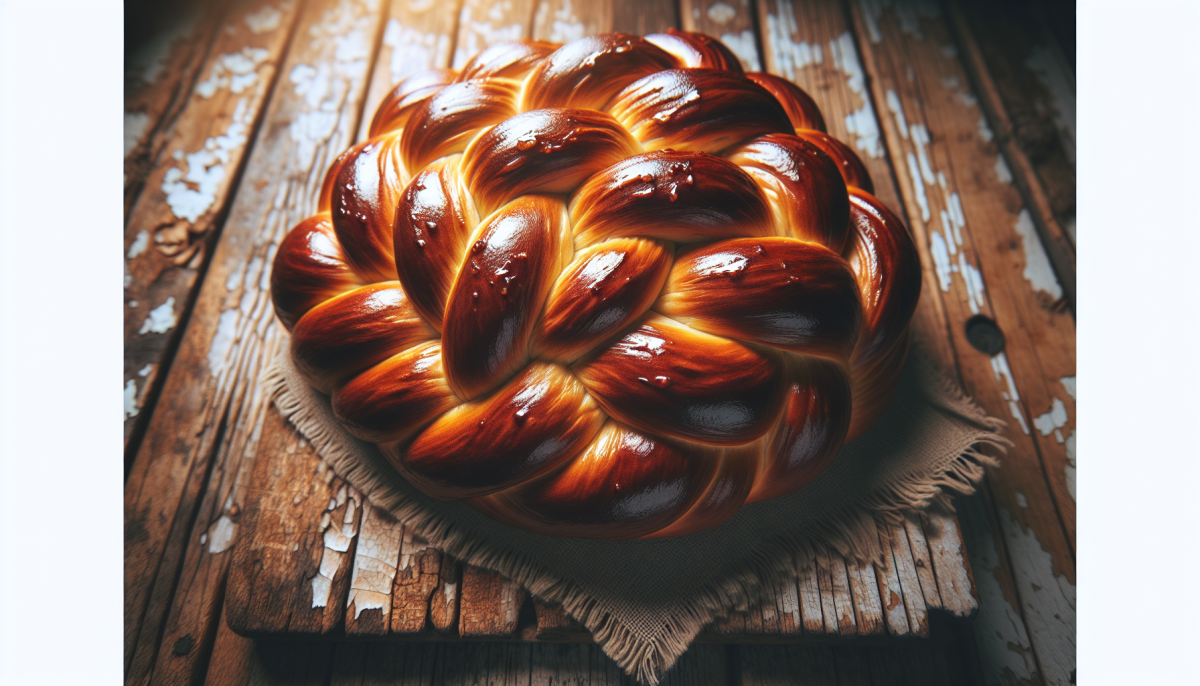
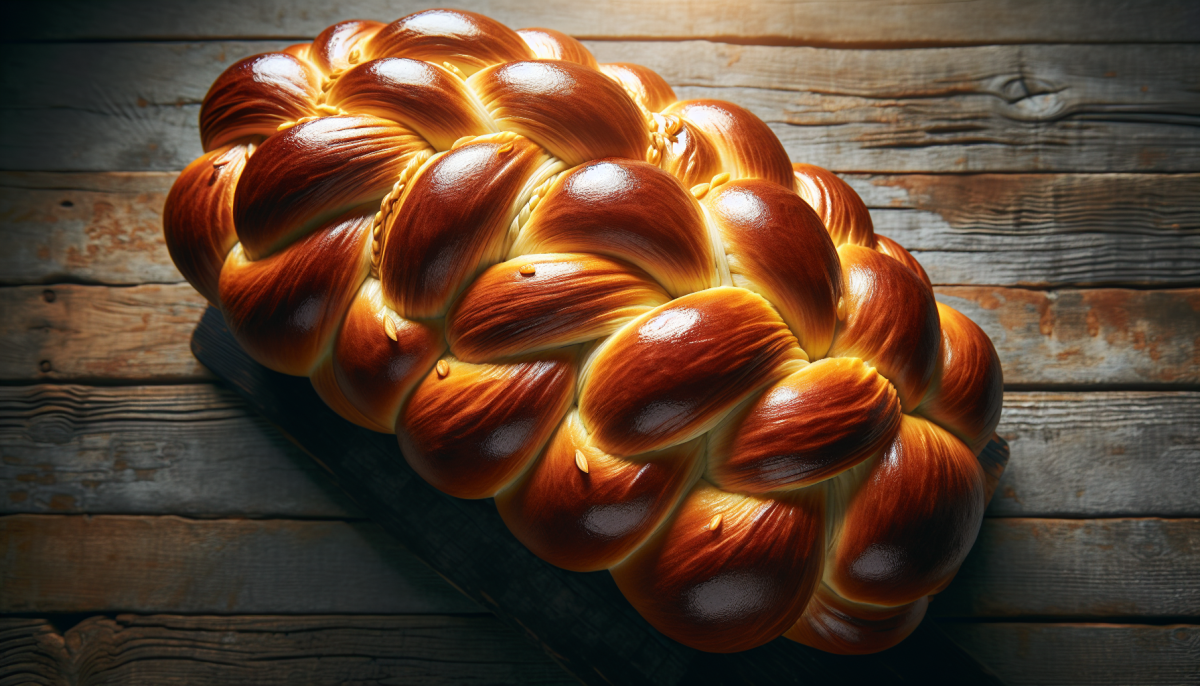
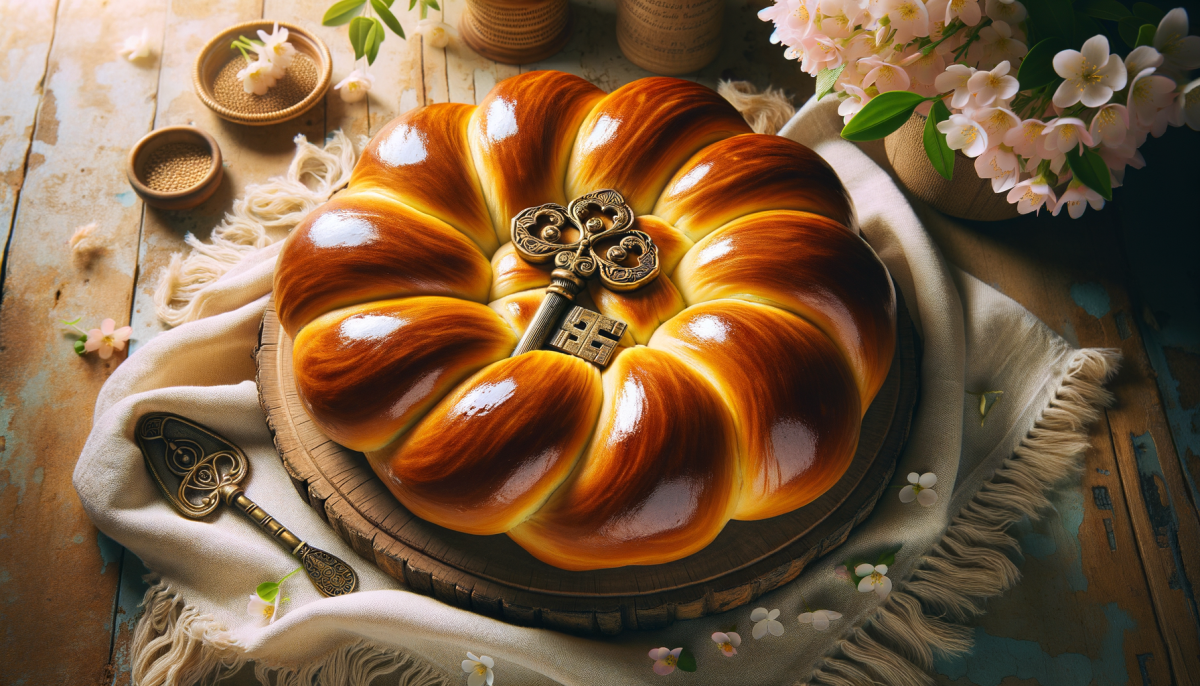
Shlissel challah is the first challah you bake after Pesach — and it carries the weight of an entire week of longing. For eight days you have eaten matzah: flat, humble, the bread of affliction and of freedom. And now, on the first Shabbat after the holiday ends, you return to chametz. You return to yeast, to rising dough, to the golden braided loaf that anchors the Jewish table. But this is no ordinary challah. This one is shaped like a key, or bears a key pressed into its surface, or hides a key wrapped in foil inside its braids. This is shlissel challah — the key challah — and it is baked as a segulah (spiritual remedy) for parnassah, for livelihood and sustenance.

The word shlissel comes from the Yiddish shlisl (שליסל), meaning “key.” The tradition holds that on the Shabbat immediately following Pesach, the gates of heaven that were opened during the holiday begin to close. By baking a challah in the shape of a key — or with a key — we symbolically ask that the gates of parnassah remain open for us and for our families. It is a prayer you can hold in your hands, a petition baked in dough.

There is something deeply moving about this minhag. After a week without bread, the first challah you bake is not just for Shabbat — it is an act of faith. You are saying: I trust that sustenance will come. I am opening the door. And so you shape the dough into a key and place it in the oven, and you wait for it to rise.

Shlissel challah is baked on the first Shabbat after Pesach. In 2026, Pesach ends on Saturday evening, April 11, making the shlissel challah Shabbat on April 17–18. Mark your calendar — this is a once-a-year bake.